


Yamaha Clavinova roundup
Yamaha Clavinova: A Complete Buyer's Guide
A Yamaha Clavinova is built to stay in the family for years — here's what genuinely matters before you commit to one.
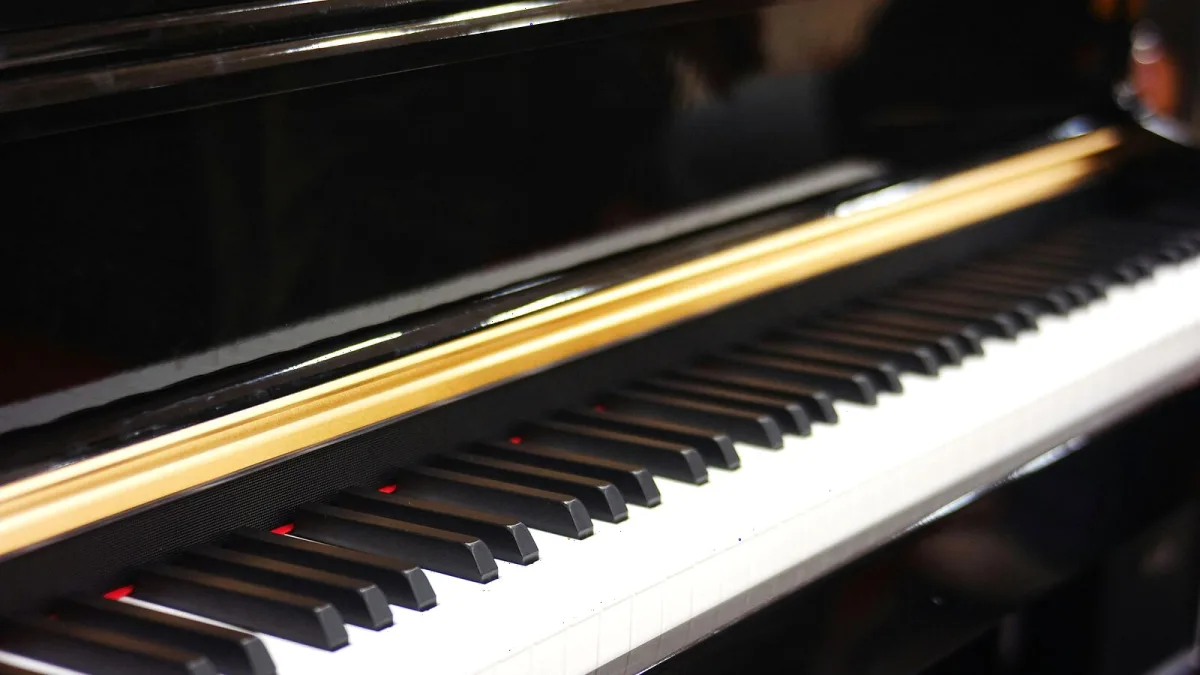
Buying a Yamaha Clavinova is a bigger decision than most keyboard purchases, both in price and in how long it's likely to stay in the family — these instruments are built to last. That's exactly why it's worth taking a bit of time over, rather than picking whichever model the shop has on the floor. Here's what genuinely matters before you sign anything.
Decide Which Series Fits First
Before comparing individual models, work out which of the three Yamaha Clavinova families you actually need. CLP is built around acoustic-piano realism and traditional technique. CSP adds Stream Lights and Smart Pianist app guidance for structured, guided learning. CVP adds automatic accompaniment and backing styles for a more self-contained, performance-oriented instrument. Buying the wrong series is a far bigger mistake than buying the "wrong" model within the right one.
Test the Action in Person
Specifications only tell you so much. Yamaha uses different keyboard actions across the range, from Graded Hammer 3X up to GrandTouch and GrandTouch-S in higher-specified models, and the differences are genuinely felt under the fingers rather than read on a spec sheet. If you can, play soft passages, repeated notes and a few fast trills, not just loud chords — that's where a mediocre action shows itself. If a showroom visit isn't possible, at least look for a video review that shows close-up playing rather than just the marketing footage.
Polyphony and Voices: What's Worth Paying For
Polyphony — the number of notes an instrument can sound at once — reaches 256 notes on several current models, and that's genuinely useful once you're using the sustain pedal or layering sounds, rather than a number to chase for its own sake. The number of onboard voices varies a great deal between models too; more isn't automatically better if the core piano tone, drawn from Yamaha's CFX and Bösendorfer Imperial concert grand recordings, isn't convincing to your ear in the first place. Listen to the piano voice itself before getting distracted by everything else on the spec sheet.
Don't Skip the Pedals
A proper three-pedal setup — damper, sostenuto and soft — is standard on cabinet-style models, and it's worth checking whether half-pedaling is supported if you or your child play classical repertoire seriously. It's an easy detail to overlook next to flashier features, but pedal response affects daily playing far more than most of the extras that get top billing in adverts.
Connectivity and the Smart Pianist App
Check exactly what's supported rather than assuming. Bluetooth audio and Bluetooth MIDI are separate functions, and not every model offers both. Smart Pianist app compatibility, song analysis and recording features also vary by model and sometimes by region, so confirm the specific functions you want against the exact Yamaha Clavinova model's own product page rather than the family's general marketing copy.
Where Will It Actually Live?
Cabinet dimensions matter more than they get credit for. Some flagship models are built grand-shaped rather than upright, which looks stunning but needs considerably more floor space and a bit of planning around doorways and stairs on delivery day. Measure the room, and the route into it, before falling in love with a particular finish.
New or Secondhand?
A secondhand Yamaha Clavinova can be genuinely good value, since the mechanical action and cabinet are built to last for decades and there's no soundboard or strings to deteriorate the way an acoustic piano's can. Play every key and check both extremes of the keyboard for dead notes or uneven response, test all three pedals, and try the headphone output before agreeing a price. Ask when the firmware was last updated too, since older units can sometimes miss features that Yamaha has since added through software updates on newer models.
Buying Checklist
Before you commit to a Yamaha Clavinova: confirm the series (CLP, CSP or CVP) suits how you'll actually play, test the action in person if you possibly can, check the pedal setup and half-pedaling support, and confirm the exact connectivity and app features you want are included on that specific model. If you'd like the full picture of what these instruments are and how the range is engineered, our explainer guide covers it in depth, and our round-up by budget can help narrow things down further. New to digital pianos altogether? Start with our beginner's guide instead, and once you've bought, our common mistakes to avoid is worth a read too.





Comments