


Upright Piano article
Upright Piano for Beginners: A Complete Guide
Learning on an upright piano gives beginners a genuine acoustic foundation that digital instruments only approximate. This guide covers posture, pedals, practice and how to look after your instrument from day one.
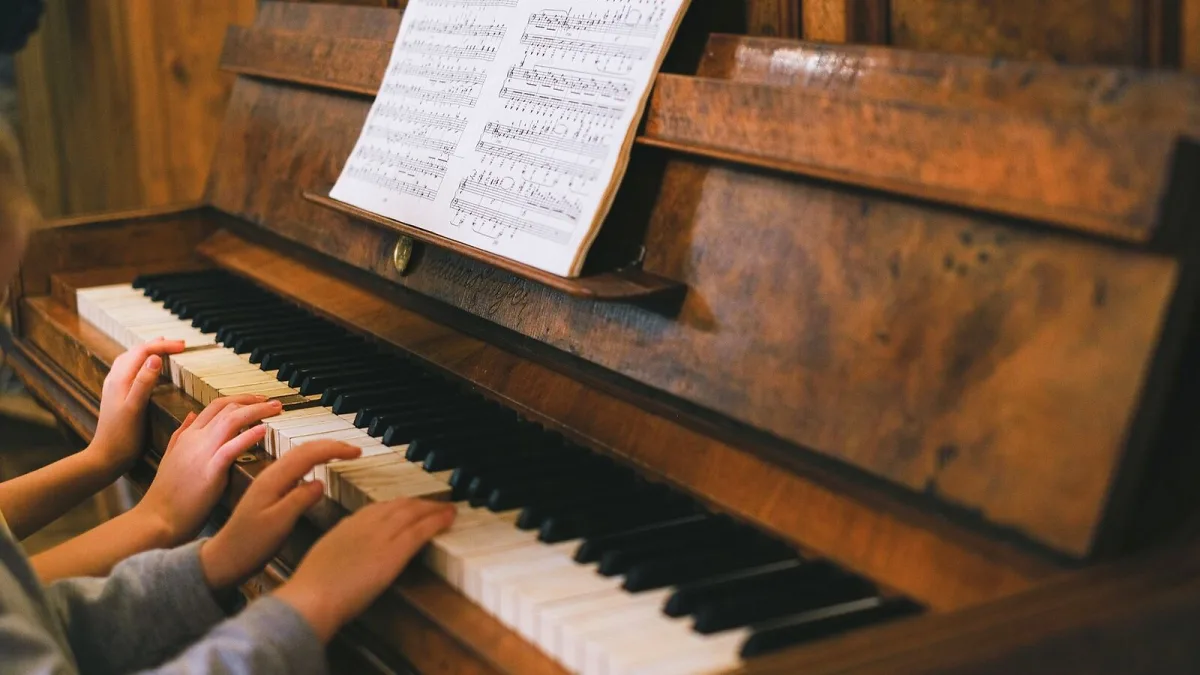
Starting piano lessons on an upright is one of the best decisions you can make as a beginner. It sounds wonderful, it teaches you a real acoustic touch, and it grows with you as your playing develops. The first few months of learning can feel a little overwhelming, though — there's a lot of new vocabulary, a lot of questions, and the instrument itself takes some getting used to. This guide is here to make that early stage clearer and a good deal more encouraging.
Why an Upright Piano Is a Great Starting Point
There are plenty of options for a beginner learning to play piano — digital instruments, keyboard controllers, even tablet apps. But learning on a proper acoustic piano from the start has real advantages. The action — the mechanism that connects your fingers to the hammers that strike the strings — teaches you touch and control that digital instruments only approximate. The sound is natural and immediate. And most importantly, one will grow with you; you will not outgrow a decent one.
If space or budget genuinely prevents an acoustic instrument, a quality digital piano with a properly weighted action is a sensible alternative. But if one is within reach, it is almost always the better choice for a new learner.
Getting Comfortable at the Piano
Posture and Bench Height
Before you play a single note, get your posture right. Sit upright, not hunched. Your forearms should be roughly parallel to the floor, or angled very slightly downward. Your wrists should be relaxed, not raised or dropped. Adjust the piano stool so that your elbows sit just above the level of the keys. Many beginners sit too low or too far back — both make playing unnecessarily hard.
Keep your feet flat on the floor. Children often need a footrest if the stool is at the correct height for their arms but their feet don't reach the ground.
Hand Position
Think of holding a small orange in each hand — a rounded, natural curve, with the fingertips resting on the keys rather than the flat of the finger. Avoid collapsing the knuckles inward. This curved hand position protects the joints and produces a better tone from the very beginning.
Understanding the Pedals
This type of instrument has three pedals. As a beginner, the one you will use most is the right pedal — the sustain (or damper) pedal. Pressing it lifts all the dampers away from the strings, so notes continue to ring after you release the keys. It creates a wash of sound and makes legato (smooth, connected) playing much easier.
The left pedal on an upright piano moves the hammers slightly closer to the strings, reducing the volume — useful for quiet practice. On a grand piano this is called the una corda pedal, but on an upright it works differently.
The middle pedal varies depending on the instrument. On many uprights it is a practice or mute pedal that inserts a felt strip between the hammers and strings, reducing the volume significantly for quiet practice. On others it is a sostenuto pedal that sustains only the notes pressed at the moment the pedal is engaged. Beginners do not need to worry about the middle pedal for quite some time.
Tuning: What to Expect
Every acoustic piano needs tuning regularly — at least twice a year for a home instrument. If your piano is newly bought, it will probably need tuning more often in the first year or two as the new strings stretch and settle. Tuning is not something you do yourself; it requires a qualified piano tuner.
A piano that is significantly out of tune is harder to learn on, because your ear is training itself from what it hears. Keeping it in tune is genuinely important for a beginner, not just an aesthetic nicety. When you book a tuner for the first time, also ask them to check the regulation — the adjustment of the action — as this affects how evenly and easily the keys respond.
Building a Practice Routine
Consistency matters far more than long sessions. Twenty minutes of focused daily practice will build skills much faster than a single two-hour session at the weekend. Start small and be honest with yourself about what you can sustain.
- Warm up with scales or simple five-finger exercises before moving to repertoire.
- Work slowly. Learning a piece slowly and accurately is dramatically more effective than rushing through it. A proper tempo comes once the notes are in the fingers.
- Isolate problems. Identify the bars that need most work and practise those sections separately, rather than always starting from the beginning.
- Listen back. Record yourself occasionally. What sounds fine when you're focused on the notes often sounds different when you listen from the outside.
Looking After the Instrument
Your upright piano doesn't need a huge amount of care, but a few habits will keep it in good condition:
- Keep the lid closed when the piano is not in use to protect the keys from dust.
- Place the piano against an interior wall, away from radiators and direct sunlight.
- Don't put drinks, plants or anything that might spill on top of the piano.
- Book a tuning appointment at least twice a year, more in the first year.
The Bottom Line
Starting on an upright piano is an excellent foundation. Be patient, keep your practice regular, and find a good teacher if you can — self-teaching is possible, but a teacher will catch bad habits before they take hold. When you're ready to think further ahead, our complete buyer's guide will help you understand the full range of what's available. And to understand what makes different instruments different, the overview article covers the features, types and mechanics in clear detail.





Comments