


Upright Piano article
Common Upright Piano Mistakes to Avoid
An upright piano will last for decades if properly cared for — and lose years of useful life if it isn't. These are the most common mistakes owners make, and how to sidestep every one of them.
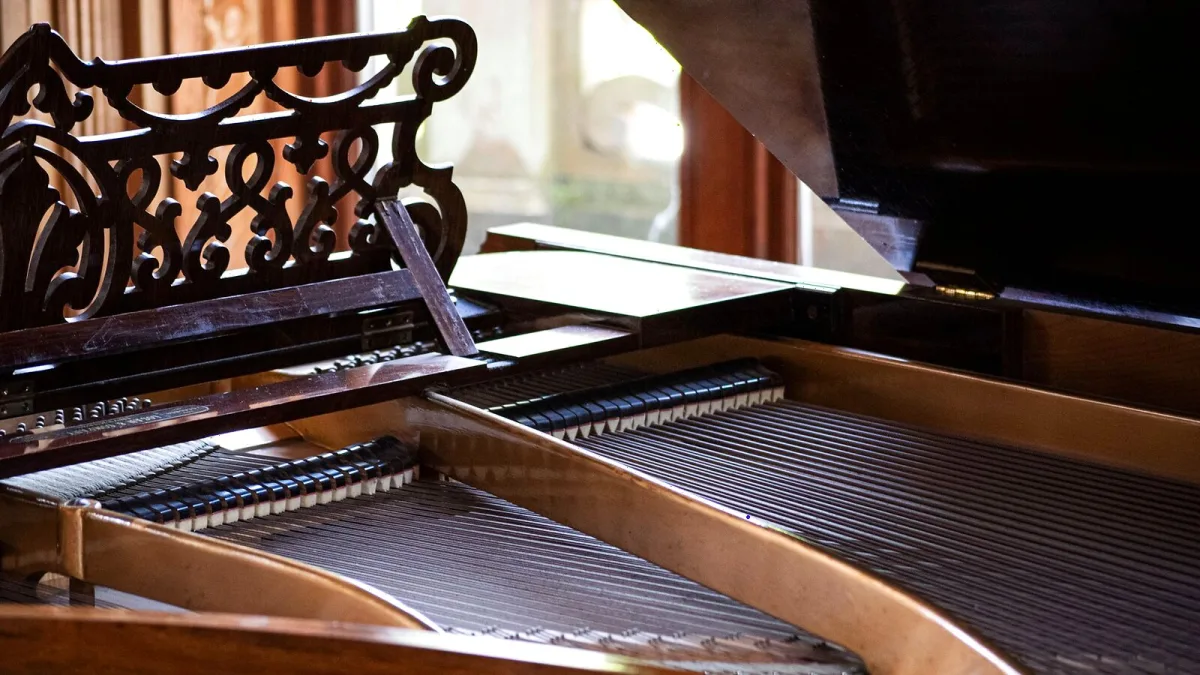
The upright piano is a robust, long-lived instrument — but only if it is properly placed, maintained and used. The mistakes that shorten a piano's life, compromise its tone or saddle the owner with expensive repairs are largely predictable, and largely avoidable. Here are the ones that come up most often, and what to do instead.
Placing the Piano Against an External Wall
This is one of the most common placement mistakes, and one of the most damaging over time. External walls in British homes are subject to significant temperature and humidity swings — warm in summer, cold in winter, and often damp in the way only a British exterior wall can be. The wood, felt and glue inside an upright piano respond to these changes. The soundboard swells and shrinks, affecting pitch. The action components become stiff or sluggish. Over years, the glue joints in the case and soundboard can weaken.
The correct placement is against an interior wall, away from exterior walls, windows and heating sources. A stable environment — consistent temperature and humidity — is what a piano's internals need to remain stable themselves.
Positioning It Near a Radiator or in Direct Sunlight
Heat and UV light are particularly unkind to an upright piano. A radiator directly behind or beside the instrument will dry out the wooden components, causing the soundboard to crack in serious cases, the glue joints to fail, and the tuning to drift constantly. A cracked soundboard is an expensive repair and can significantly alter the instrument's tone permanently.
Direct sunlight fades the case finish and the key coverings, and the associated warmth causes the same drying problems as a radiator. Position the piano away from windows, or use curtains or blinds during the sunniest parts of the day.
Neglecting Regular Tuning
Left untuned for a year, an instrument will drift out of pitch. Left for several years, it will drift significantly — sometimes to the point where a single tuning visit cannot restore it to standard pitch safely, because bringing all the strings up to tension in one session risks breaking them or cracking the soundboard. A piano in this state requires a pitch raise — a preliminary rough tuning — followed by a settling period, then a proper fine tuning. This costs more, takes more time, and is entirely avoidable.
The standard recommendation is to tune a home upright piano at least twice a year. A new piano needs tuning more frequently in its first year or two as the strings stretch and settle. Budget for it as a running cost, like servicing a car — not optional maintenance.
Ignoring the Humidity
Humidity is the single biggest enemy of an acoustic instrument's long-term health. Wood is hygroscopic — it absorbs and releases moisture from the surrounding air. In a centrally heated British home, the indoor humidity in winter can drop to levels that cause real problems: the soundboard shrinks, the pin block dries out and loses its grip on the tuning pins, and the pitch drops.
A practical solution is a piano humidity control system — devices installed inside the piano case that maintain a consistent humidity level regardless of the room. These are not expensive relative to the cost of the instrument, and piano technicians can fit them during a routine service visit. A basic room hygrometer to monitor humidity is also a sensible investment.
Attempting DIY Repairs
The action of an upright piano is a sophisticated mechanical system with hundreds of moving parts. Attempting to fix a sticking key, a broken damper or a buzzing string without proper training risks making things worse. Delicate felt components can be torn or compressed, regulation can be disturbed, and inexperienced hands can break things that a technician could have repaired simply.
If a key sticks, a note buzzes, or the action feels uneven, call a qualified piano technician. The Piano Tuners Association maintains a register of qualified professionals in the UK. Most problems are straightforward for an experienced technician; most are aggravated by well-meaning amateur intervention.
Using the Wrong Piano Stool
A piano stool at the wrong height forces the player into a poor posture that affects technique, causes fatigue and can, over time, contribute to repetitive strain injury. The forearms should be roughly level with the keyboard or angled very slightly downward — not reaching up to the keys or pressing down from a great height.
An adjustable-height stool is strongly recommended. Fixed-height stools are common (and cheap) but rarely suit every player in a household. A proper adjustable duet stool or a quality single stool with height adjustment is a worthwhile investment alongside the instrument.
Buying Without a Professional Inspection
When purchasing a secondhand instrument of this kind, the single most common mistake is buying without a proper technician's inspection. An instrument that looks and sounds passable in a seller's living room may have a cracked soundboard, a worn pin block, or an action in need of full rebuilding. These defects are not obvious to the untrained eye or ear, but they are very obvious in the repair bill that follows.
Always arrange a professional inspection before completing a private purchase. The cost of an inspection visit is modest relative to the purchase price of a piano, and the information it provides is invaluable.
The Bottom Line
Most of these mistakes boil down to the same underlying principle: the instrument requires consistent environmental conditions, regular professional attention, and respect for its mechanical complexity. Do those things and it will reward you with decades of reliable, expressive playing. For a thorough overview of what the instrument is and how it works, see our upright piano explained article. If you're in the market, our complete buyer's guide takes you through every decision from budget to placement.





Comments