


Modular Synthesizer roundup
The Best Modular Synthesizers for the Money
Not one best buy — a best fit for each stage, from a semi-modular starter to a considered professional investment.
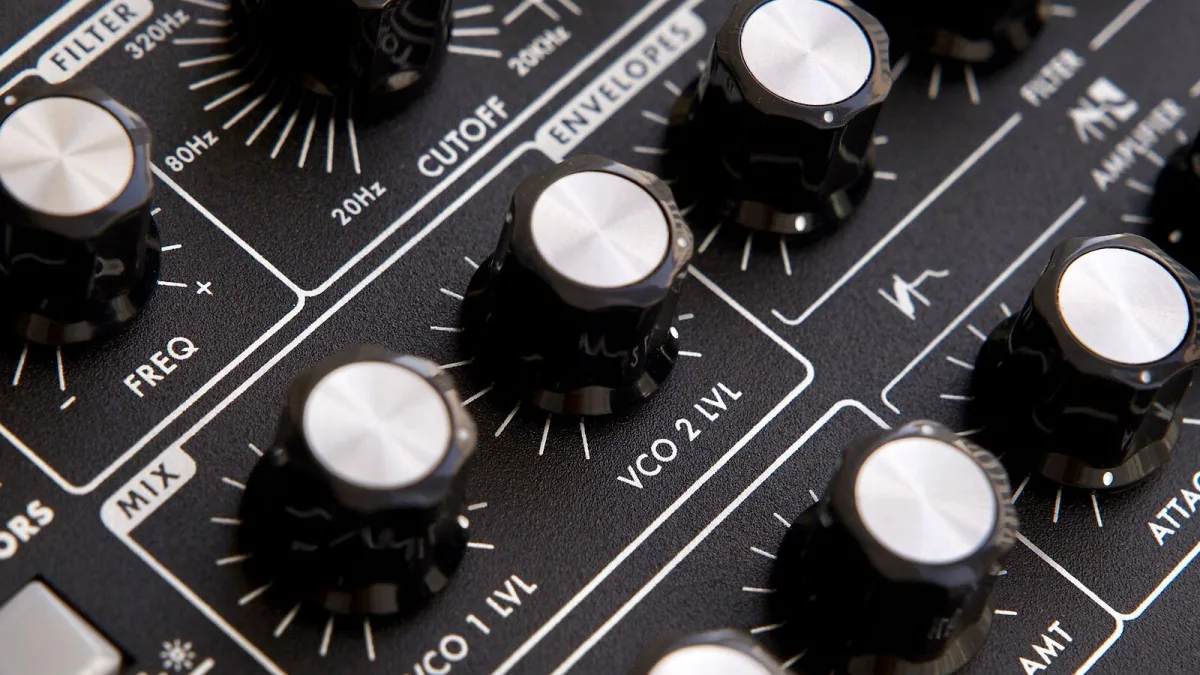
Let's take this gently, one step at a time. "Best" means something different depending on where you are with a modular synthesizer — a first case, a growing system, or a serious investment in a particular sound. Rather than point at one product and call it the winner, here's how to think about value at each stage.
What Counts as Good Value Here
Good value isn't the cheapest module on a shelf — it's the one that actually earns its place in your system by doing something the others can't. A well-chosen utility module that gets used in every single patch is better value than an exciting sound source that gets patched in once and then forgotten.
Getting Started: Semi-Modular First
If you're not certain modular is for you yet, a semi-modular instrument is a genuinely sensible first step. Instruments in this category work as a complete synthesizer straight out of the box, with a normalled internal signal path, but they also offer patch points so you can start rerouting things as your curiosity grows. It's a low-risk way to learn the fundamentals before committing to a full case of separate modules.
Building Your First Eurorack Case: Prioritise Utilities
Once you've decided to commit, resist the urge to fill your case with sound sources alone. A single good oscillator, paired with a flexible filter, a couple of VCAs, an envelope generator and some mixing and attenuation utilities, will teach you far more — and sound far more musical — than five oscillators with nothing to shape or control them properly.
Stepping Up: Specialist and Character Modules
Once the fundamentals are covered, this is where a modular synthesizer starts to develop real personality — a distinctive filter, a granular texture processor, or a complex modulation source that makes your system sound like nobody else's. These modules reward players who already understand the basics; bought too early, they tend to sit half-understood rather than genuinely used.
Investing Seriously: Considered, Not Impulsive
At the top end, a well-chosen professional module or a move into a larger format like 5U is a genuine long-term investment, and the second-hand market for respected, well-regarded designs holds its value remarkably well. This tier rewards patience and research over impulse buying — read reviews, watch demonstrations, and ideally try a module in person before committing serious money.
A Simple Way to Prioritise Spending
- Uncertain if modular's for you: a semi-modular instrument first.
- Committed, building a first case: oscillator, filter, VCA, envelope, utilities.
- Fundamentals solid, want character: one distinctive, well-reviewed specialist module.
- Serious and experienced: professional modules or a considered move to a larger format.
The Bottom Line
The best modular synthesizer purchase is simply the one that matches where you genuinely are, not the most talked-about module online this month. For the fuller picture of how everything fits together, read our complete guide. Ready to think about the practical details of buying? See our buyer's guide. And if you're brand new to all this, start with our beginner's guide.





Comments