


Modular Synthesizer roundup
Modular Synthesizer: A Complete Buyer's Guide
The case and power supply matter more than the flashy oscillator — here's what genuinely to budget for before buying a modular synthesizer.
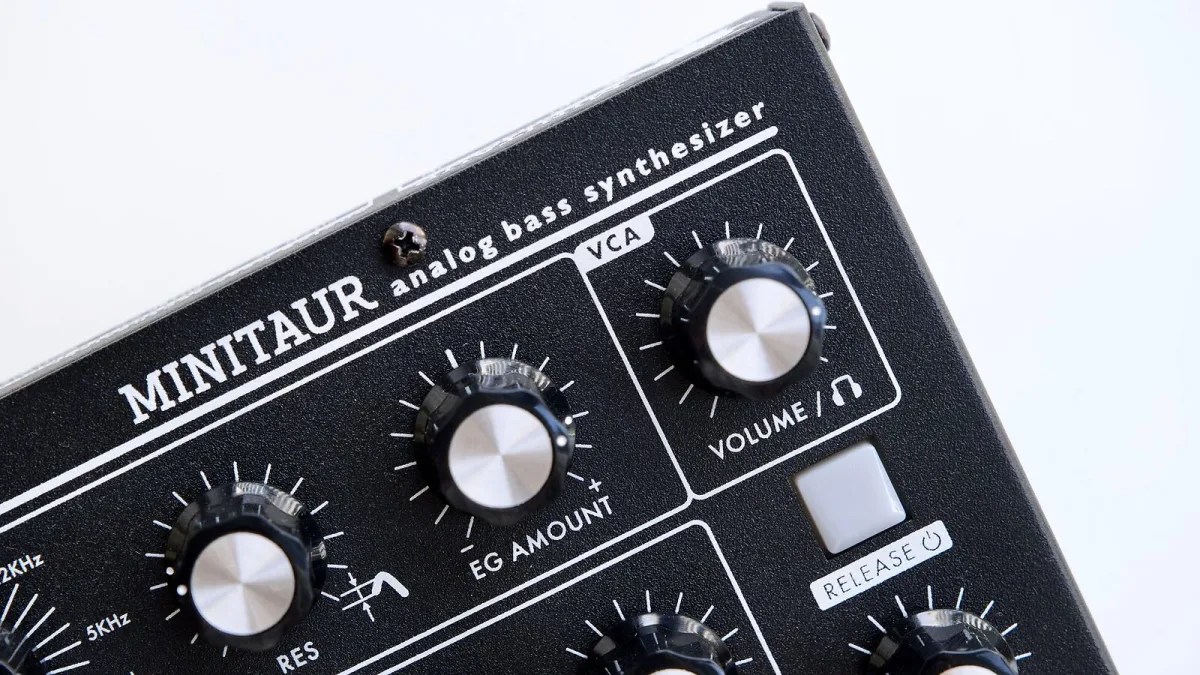
Buying into modular is a bit like buying your first turntable and then realising you also need a cartridge, a phono stage and somewhere to actually store the records — the headline item is never the whole story. A modular synthesizer is genuinely one of the most rewarding rabbit holes in music gear, but knowing what you're actually buying, beyond just the shiny oscillator everyone talks about, saves a lot of frustration.
Start With the Boring Bits: Case and Power
Before a single oscillator, you need a case and a power supply that can actually run it. Every module draws current, and it's genuinely easy to underestimate how quickly that adds up once you've got six or eight modules in — check the total current draw against what your case's power rail can supply, not just whether the modules physically fit in the available space.
Utilities Beat Sound Sources, Early On
It's tempting to fill a first case with oscillators because they're the exciting bit, but a modular synthesizer actually gets more musically useful from mixers, attenuators and multiples than from a fourth sound source. Attenuation and signal routing are what let you actually control a patch predictably — without them, you end up with something loud and unpredictable rather than something musical.
Eurorack Isn't the Only Way In
| Format | Worth considering when |
|---|---|
| Eurorack | Widest module choice, most flexible budget, current default |
| Semi-modular (Mother-32, DFAM style) | Want a working instrument out of the box, patch cables optional |
| 5U / Moog-style | Drawn to vintage-style circuits and larger, tactile modules |
| Software modular | Testing the workflow before committing real money |
A semi-modular synthesizer is a genuinely sensible entry point — it works normally straight out of the box, but still has patch points for rerouting once you're ready to experiment further.
Building a Sensible First Voice
A practical starting system needs an oscillator, a filter, a VCA, an envelope generator, at least one modulation source, some way of getting pitch and timing in (a sequencer or MIDI-to-CV module), and an output stage to actually hear the thing. Resist buying every exotic module you see demoed online before that basic voice is genuinely solid — the fancy granular processor will make far more sense once you understand what it's processing.
Watch Out for the Hidden Costs
- Cables — you'll need more than you think, and decent ones aren't free.
- An output or interface module to get sound out cleanly at the right level.
- A bigger case than your first one, almost inevitably, once the habit takes hold.
- Time spent learning patching, not just money spent on modules.
Buying Used
The second-hand modular market is active and generally trustworthy, and it's a great way to try respected modules without paying full retail. Just check listed current draw, confirm the seller can answer basic questions about calibration or known quirks, and factor in that some discontinued designs command a premium precisely because they're no longer made.
The Bottom Line
Budget for the case, the power and the boring utility modules before you fall for the flashiest oscillator on the shelf — a modular synthesizer rewards a properly planned first system far more than an impulsive one. For the fuller picture of how it all works, read our complete guide. Want a steer on what's genuinely worth the money? See the best options for the money. And if you're completely new to the format, our beginner's guide is the friendlier starting point.





Comments