


Behringer Synthesizer roundup
The Best Behringer Synthesizers for the Money
Which Behringer synthesizer is worth the money, and which is just an impressive box? Here is the honest, tier-by-tier breakdown for every budget and skill level.
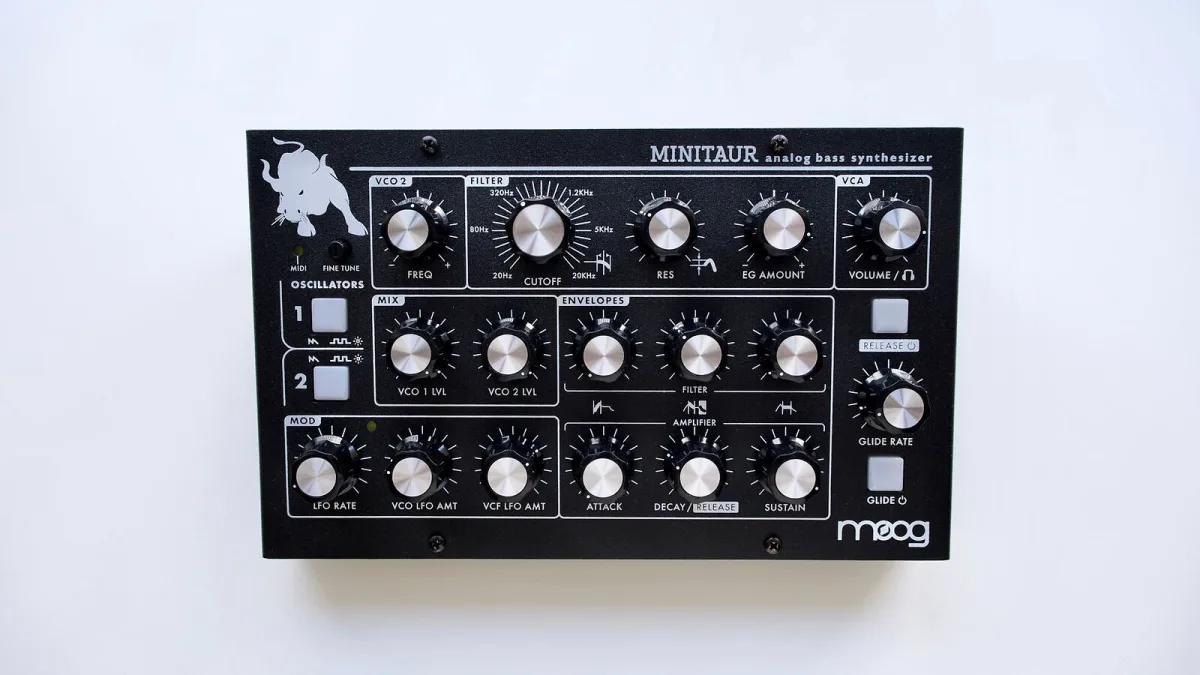
Parents ask me this almost as often as children do: which Behringer synthesizer is actually worth the money, and which Behringer synthesizer is just an impressive-looking box? It's a fair question, because the range stretches from pocket-money desktop boxes to serious studio polysynths, and the price alone doesn't always tell you what you're getting. Let's go through it calmly, tier by tier.
The Friendly Entry Point: Simple Monophonic Synths
If this is a first synth for you or for a young learner, start here. Models like the Model D, MS-1 and Pro-1 play one note at a time, which sounds limiting but is actually a gift when you're learning — there's no chord voicing to worry about, just an oscillator, a filter and an envelope to get to know. They're wonderfully good value for what they teach you about how a synthesizer actually works underneath.
A Little More Character: Semi-Modular Options
Once the basics feel comfortable, a semi-modular instrument like the Neutron or Crave is a lovely next step. They work perfectly well straight out of the box with no patch cables at all, so nobody needs to feel intimidated, but they also invite a bit of hands-on exploring when curiosity kicks in. I think of this tier as the "grows with you" option — you get your money's worth whether you're a cautious beginner or someone who wants to experiment properly.
Stepping Up: Paraphonic and Small Polyphonic Instruments
The Poly D sits in an interesting middle ground — several oscillators sharing one filter, which gives chords a distinctive, slightly blended character rather than fully separated voices. It's genuinely good value if you want richer, chord-based sounds without paying for a full polyphonic instrument, though it's worth knowing going in that it won't sound quite like a "proper" polysynth on dense chord work.
The Serious Studio Tier: Full Polyphonic Synths
For pads, layered chords and proper keyboard performance, the DeepMind 6 and DeepMind 12, or the Oberheim-inspired UB-Xa, are where the real value lives if that's genuinely what you need. You're paying for independent voices per note, deeper modulation routing and, on the DeepMind range, built-in effects — worthwhile if you're producing seriously, overkill if you mostly want to noodle on basslines in the evening.
What You're Really Paying For at Each Level
| Tier | Best for | What you get for the money |
|---|---|---|
| Simple monophonic | First-time learners, bass and lead sounds | Clear, uncluttered signal path that's easy to understand |
| Semi-modular | Growing curiosity, hands-on learners | Works instantly, but rewards exploring patch points |
| Paraphonic | Richer chords on a budget | Fuller sound than mono, without full polyphonic pricing |
| Full polyphonic | Serious studio and performance use | Independent voices, deep modulation, built-in effects |
Don't Forget These Extra Costs
Whichever Behringer synthesizer you're leaning towards, budget a little beyond the sticker price. A padded case protects the front panel and knobs during transport, and a basic MIDI keyboard or DAW setup makes a desktop model far more usable if you don't already have one. None of this needs to be expensive, but it's easy to forget when you're excited about the main purchase.
A Quick Way to Decide
- If you've never touched a synthesizer before, start with a simple monophonic model — you'll learn faster with fewer controls in front of you.
- If you already know the basics and enjoy tinkering, a semi-modular instrument gives you room to grow without overwhelming you on day one.
- If chords matter more to you than deep polyphony, the paraphonic tier is genuinely good value rather than a compromise.
- If you're producing seriously and need layered, sustained parts, that's the point where paying for full polyphony actually earns its keep.
- If you're buying for a child or a genuinely nervous beginner, resist the urge to buy "for the future" — a simpler instrument they actually enjoy beats an advanced one they find intimidating.
My Honest Advice
Buy for where you are now, not where you imagine you'll be in two years. A simple monophonic instrument that gets used every week teaches far more, and represents better value, than an ambitious polyphonic synth that sits half-understood on a shelf. You can always step up later once you've genuinely outgrown what you have. If you want the fuller technical picture before deciding, our complete buyer's guide covers specifications in more depth, and our beginner's guide is a gentle place to start if the whole idea still feels new.
The Bottom Line
There's genuine value at every price point in the Behringer synthesizer range, as long as the tier actually matches what you or your learner will use. Start simple, let curiosity guide the next step up, and you'll get far more out of the money than chasing the most feature-packed model from day one. For the full family tree of models and how they relate to classic designs, our Behringer synthesizer overview is a good companion read.




Comments