


Sequential article
Sequential for Beginners: A Complete Guide
Analog, polyphonic, sequencer, arpeggiator — a patient, step-by-step introduction to your first Sequential synthesizer.
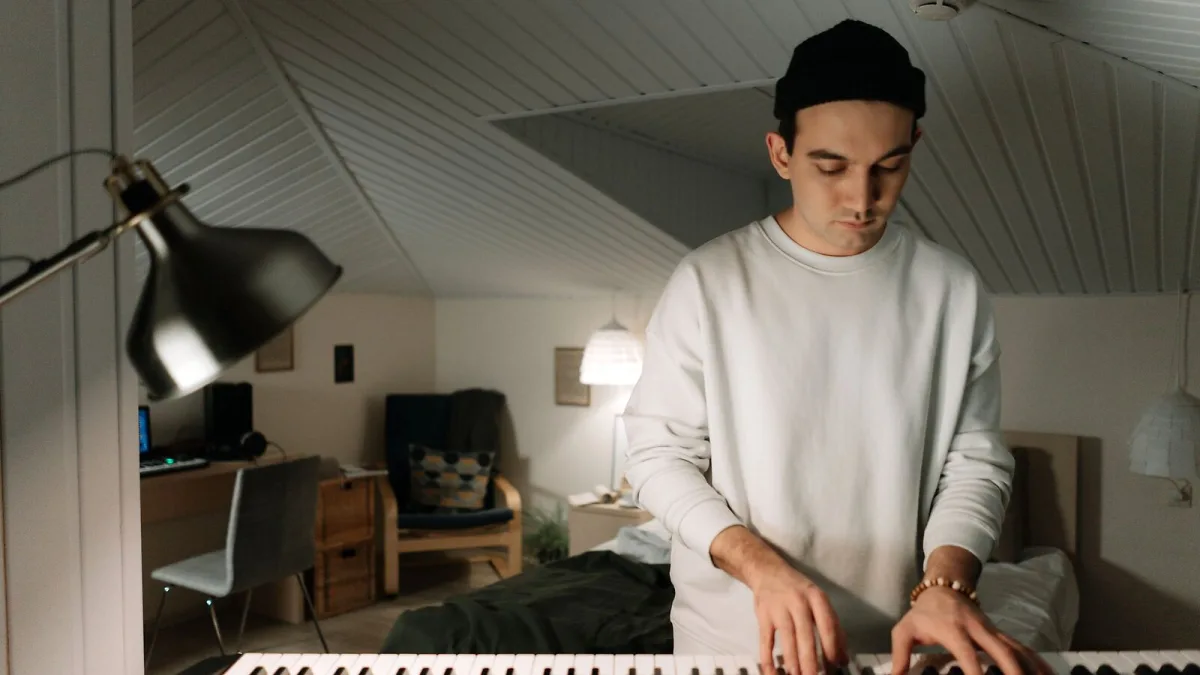
Coming to a Sequential synthesizer for the first time can feel like walking into a room full of unfamiliar words: voices, oscillators, polyphonic, paraphonic. None of it is as complicated as it looks once it's broken down slowly, and that's exactly what this guide sets out to do, one small step at a time.
You Don't Need to Understand Everything at Once
It helps to know from the start that any Sequential synthesizer rewards patience rather than speed. You don't need to understand every knob before you make a sound you like, and you certainly don't need to know the full model range before choosing one to learn on. Pick a starting point, get comfortable with it, and let your understanding grow from actually playing rather than from reading a manual cover to cover.
Two Words You'll See Everywhere
Almost every description of a Sequential instrument uses two words worth knowing properly.
Analog describes how the sound itself is generated — using continuously variable electrical circuits rather than purely digital calculations. It's the reason these instruments have such a recognisable warmth. Polyphonic simply means the synth can sound more than one note at once, so you can play a chord rather than just a single line. A synth with five or six voices, like the Take 5 or Prophet-6, can hold five or six notes at the same time.
You'll also come across paraphonic, used for instruments like the Pro 2 and Pro 3. These share some circuitry between notes, so playing several notes together sounds a little different from a fully polyphonic instrument — not worse, just distinct, and worth hearing for yourself before deciding it matters to you.
Sequencer or Arpeggiator? A Gentle Explanation
This is the part of the name that gives the brand its identity, so it's worth getting comfortable with early. An arpeggiator is the simpler of the two: hold down a chord, and it automatically plays the notes back one after another in a repeating pattern. A step sequencer is a little more involved. Instead of the synth deciding the pattern for you, you build it yourself, one step at a time, choosing which notes play, which steps stay silent, and which notes hold over into the next step.
Don't feel pressure to master a 64-step sequence on day one. Most beginners get far more out of a simple four- or eight-step pattern, repeated and gradually adjusted, than out of anything longer and more ambitious.
Getting Comfortable With Your Sequential, Gradually
- Start with a single sustained note. Get to know how the filter and envelope shape the sound before adding more notes.
- Move on to a simple two- or three-note chord. Notice how the sound changes with more voices active.
- Try the arpeggiator before the step sequencer. It gives you an immediate, satisfying result with very little setup.
- Build a short step sequence last. Four or eight steps is plenty to begin with; leave rests, ties and longer patterns until the basics feel natural.
Common Beginner Questions, Answered Simply
New players often ask whether they need the biggest or most expensive model to learn properly. They don't. A compact instrument like the Take 5 teaches the same fundamentals as any other Sequential synth, just with fewer voices to keep track of while you're finding your feet. Others worry about damaging a patch by experimenting. Most instruments make it easy to reload a factory patch, so treat experimentation as safe rather than risky.
Where to Go Next
Once the basics feel comfortable, our overview of the Sequential range fills in the history and the different model families in more depth. When you're ready to think about buying your own, the complete buyer's guide and the best options for the money both go through the practical decisions in detail. It's also worth glancing at the common mistakes to avoid, so you can sidestep a few frustrations other beginners have already learned from.
The Bottom Line
Learning a Sequential synthesizer is a gradual process, and that's entirely normal. Take the ideas one at a time — analog sound, polyphony, the difference between an arpeggiator and a sequencer — and confidence builds naturally from there.



Comments