


Sequential roundup
Sequential: A Complete Buyer's Guide
Voice count, filter character, sequencing depth and the practical details that matter — a straightforward guide to choosing the right Sequential.
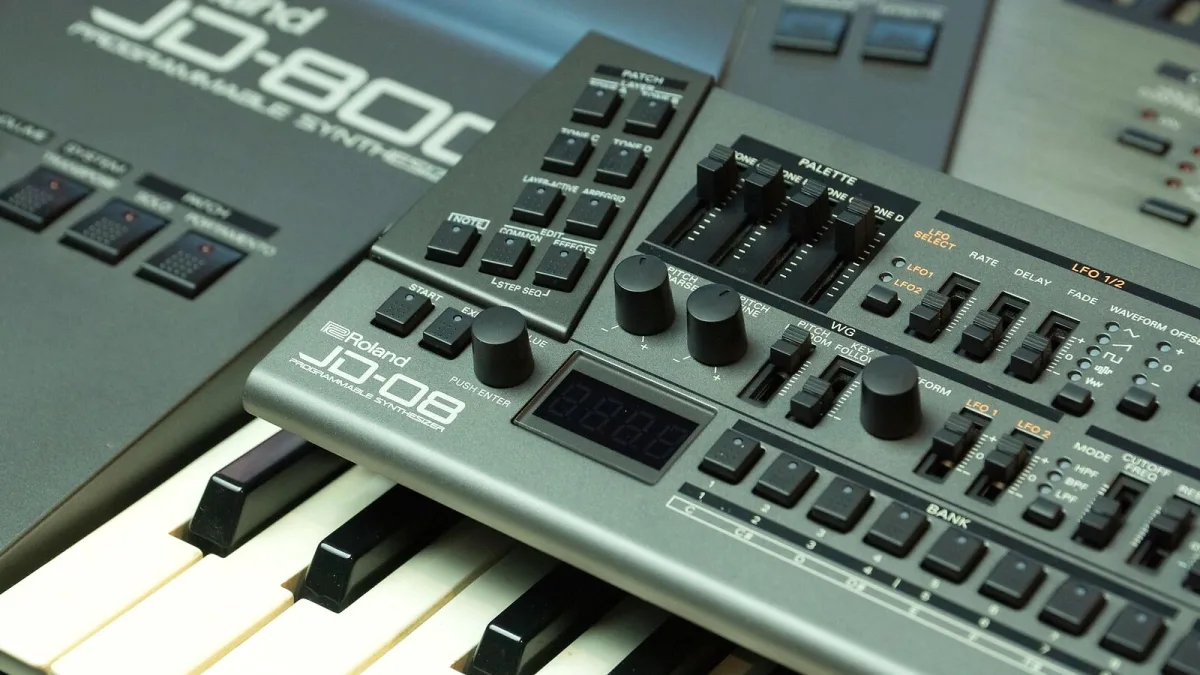
Shopping for a Sequential can feel daunting once you see how many models sit under one brand name. This guide skips the history lesson and gets straight to what actually matters when you're choosing between them: voice count, sequencing depth, filter character and the practical checklist worth running through before you part with your money.
Start With How You'll Actually Use It
Before comparing specs, be honest about the job the instrument needs to do. A synth that will sit in a home studio, layering pads and chords into a mix, has very different requirements from one that needs to survive being carried to gigs and played live over a full-band arrangement. Sequential's range covers both ends comfortably, but the right pick depends on you, not on which model reviewers rave about.
If you're leaning toward richly layered chords and stacked textures, look toward the higher-voice-count models. If your focus is basslines, leads and sound design, a monophonic or paraphonic instrument will likely suit you better and cost less to run in terms of studio space and cognitive load.
Voice Count and Polyphony
Voice count decides how many notes you can sound at once, and it varies more across the Sequential range than newcomers expect.
| Model | Voices | Best suited to |
|---|---|---|
| Take 5 | 5-voice | Compact chords, a smaller footprint |
| Prophet-6 / OB-6 | 6-voice | Full chords with headroom to spare |
| Prophet Rev2 | 8- or 16-voice | Dense layering, two-part splits and stacks |
| Pro 2 / Pro 3 | Mono / paraphonic | Basslines, leads, sequenced sound design |
Don't assume more voices automatically means better. A monophonic or paraphonic instrument like the Pro 3 trades chord-stacking ability for a much deeper sequencer and a wider palette of oscillator types, which suits a different kind of player entirely.
Analog, Hybrid or Oberheim-Style?
Every current Sequential falls into one of three families. The Prophet-6 and Prophet Rev2 run an analog signal path end to end, with digital control layered on for memory and effects. The OB-6 shares that analog approach but with a voice architecture developed alongside Tom Oberheim, giving it a different tonal fingerprint from the Prophet line despite the family resemblance. The Pro 2 and Pro 3 are hybrid designs, mixing analog oscillators with digital elements — the Pro 3 in particular adds a full wavetable oscillator into the mix. Our overview of the Sequential range goes into more depth on how these families differ if you want the fuller picture.
Sequencing and Modulation Features Worth Checking
Because sequencing is such a core part of Sequential's identity, it's worth checking exactly what each model offers rather than assuming they're all equal:
- Step count — most current models offer up to 64 steps, but confirm rather than assume.
- Polyphonic steps — can a single step hold a full chord, or only one note?
- Rests and ties — needed for natural-sounding, non-mechanical patterns.
- Multitrack sequencing — the Pro 2 and Pro 3 can run several parameter tracks alongside the note sequence, which matters a great deal if evolving sound design is your goal.
- MIDI clock sync — essential if the synth needs to lock to a DAW or drum machine.
A Practical Buying Checklist
Beyond the headline specs, a handful of practical details tend to make or break real-world satisfaction with any Sequential purchase:
- How does the keybed feel, and does it include aftertouch?
- Are the onboard effects useful enough that you won't reach for a separate pedal or plugin?
- Does it offer unison voice stacking and chord memory, and do you actually need them?
- How many patches can it store, and how easy is patch management day to day?
- What connectivity does it offer — USB, MIDI DIN, CV/gate for a modular setup?
It's also worth spending ten minutes with our rundown of common mistakes before you buy, since several of the errors people make happen at the point of purchase rather than afterwards.
Weighing Up Value
None of these instruments are impulse purchases, so it pays to think about resale value and the secondhand market too. Because the Sequential range has stayed in production for years with only gradual changes, older units tend to hold their value well, and buying a secondhand Sequential from a reputable dealer can be a sensible way in. If you'd like models grouped by budget and use case rather than by spec sheet, our guide to the best options for the money takes that approach directly, and total beginners may prefer to start with the beginner's guide first.
Bottom Line
Buying a Sequential comes down to matching voice count and synthesis type to how you actually play, then confirming the sequencing depth and practical details suit your workflow. Get those two things right, and almost any model in the current range will reward you for years.



Comments