


Roland Piano Keys article
Roland Piano Keys for Beginners: A Complete Guide
Roland piano keys are a brilliant starting point for new learners, with weighted actions that build proper technique from day one. Here's everything a complete beginner needs to know.
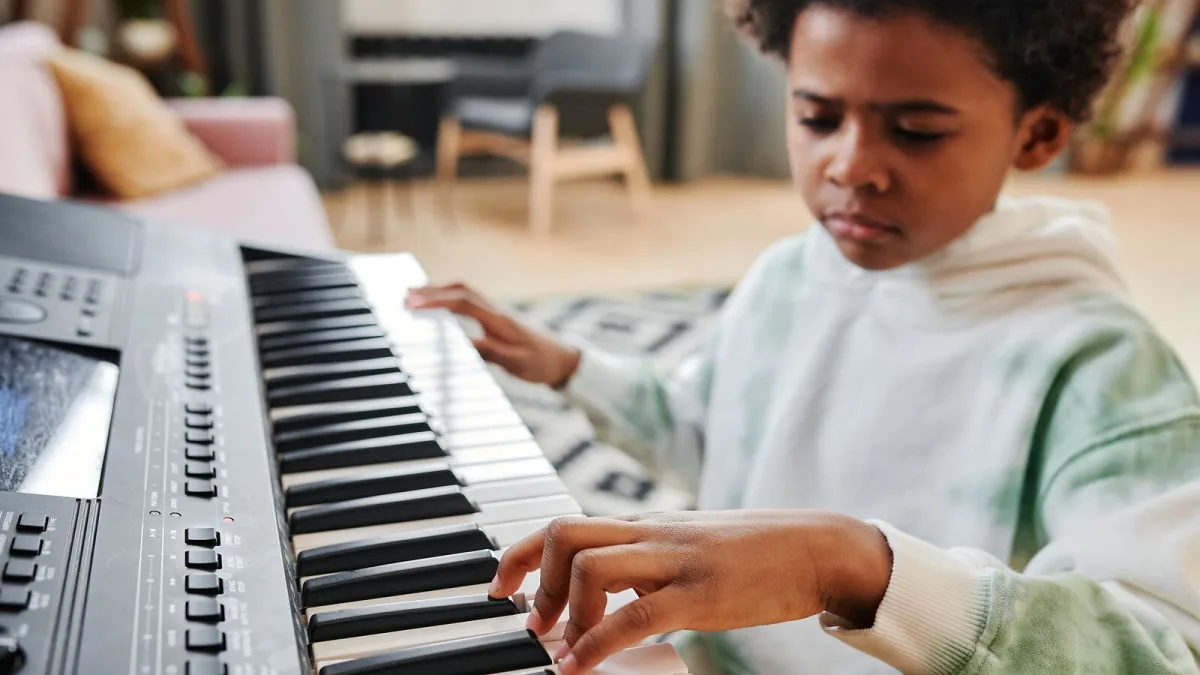
Starting piano on a Roland digital instrument is a brilliant choice — the instruments are reliable, the key feel is honest, and the range covers every budget. But when you're new to this, all the technical language can feel a bit much. This guide keeps things simple and gives you everything you need to get started confidently with Roland piano keys, without needing a music degree to make sense of it.
Why Roland Piano Keys Are Good for Beginners
When you first sit down at a piano, the feel of the keys matters more than you might expect. Cheap unweighted keyboards — the kind that feel like pressing buttons rather than playing an instrument — don't build the hand strength or touch sensitivity you'll need as you progress. Roland piano keys use a weighted action, meaning each key has a resistance mechanism inside it that mimics the feel of a real piano. Even on their entry-level models, this makes a real difference to how you develop.
You don't need to understand all the technical detail at first. Just know that Roland's weighted keys are significantly better for learning than the unweighted alternatives at the same price.
Which Roland Is Right for a Beginner?
For most beginners, the answer is straightforward: the Roland FP-30X is the go-to choice. It has 88 weighted keys (a full piano keyboard), a solid key action called the PHA-4 Standard, and a sound that's genuinely pleasant to play and listen to. It's compact enough to sit on a desk or folding stand, and it won't take up the whole room.
If you're buying for a child and space or budget is tight, the Roland GO:PIANO offers fewer keys (61, unweighted) but is genuinely portable and beginner-friendly. It won't serve you as well technically, but it's a gentle introduction for very young players who aren't yet committed to lessons.
For a child who is committed to lessons, go straight to the FP-30X. The better key feel will pay dividends.
Do You Need Headphones?
Yes, almost certainly. One of the best things about learning on a Roland digital piano is that you can plug in headphones and practise without disturbing anyone else in the house. This makes it much easier to fit in practice around family life or neighbours. Most models in the range have at least one headphone socket — the FP-30X has two, which is handy if you practise with a teacher or parent sitting alongside.
A decent pair of closed-back headphones (around £30–£50) will serve you well. You don't need anything audiophile-grade for learning.
Setting Up Your Roland Piano Keys at Home
Getting the physical setup right makes a surprising difference to how quickly you learn:
- Seat height: Your forearms should be roughly level with the keyboard, with a slight downward angle at the wrist. Most piano stools are adjustable.
- Foot position: Both feet flat on the floor, or on the pedal. Don't let feet dangle — it affects your posture and breathing.
- Distance from the keys: Sit close enough that your elbows are slightly in front of your body, not behind it.
- Key sensitivity: Most Roland digital pianos let you adjust the touch sensitivity (how hard you have to press the keys to produce sound). Start on the medium setting; adjust as your strength develops.
Learning to Use the Pedal
The sustain pedal (the rightmost pedal) holds notes ringing after you lift your finger. It's used constantly in piano music and beginners often overlook it. Roland's entry-level models come with a basic sustain pedal — a small switch that plugs in. It works, but if you get serious about playing, you'll eventually want to upgrade to a proper piano-shaped pedal. The Roland DP-10 is a good step up.
Don't try to use the pedal from lesson one. Get comfortable with notes and simple melodies first, then introduce the pedal gradually under the guidance of a teacher.
Apps and Learning Tools
Roland offers the Piano Partner 2 app, which connects to compatible instruments via Bluetooth or USB and provides exercises, lessons, and recording tools. It's free and worth exploring once you've found your feet on the instrument itself.
Many beginners also use Simply Piano, Flowkey, or YouTube tutorials alongside their Roland. These work well as supplements but aren't a substitute for a proper teacher, especially in the early stages when posture and hand position really matter.
What to Expect in the First Few Months
Progress on piano is steady but cumulative. In the first few weeks, you'll focus on hand position, finger numbers, and finding notes on the keyboard. By three months, most learners can play simple tunes hands separately and are starting to bring them together. By six months, you're beginning to build a small repertoire and developing a sense of your own musical taste.
The weighted action will support you through all of this — it builds hand strength naturally, and the key feel keeps practice from feeling like a chore. Stick with it. It's worth it.
Where to Go Next
Once you've got comfortable with the basics, you might want to understand more about how Roland's key technologies work. Our features and types explained guide covers the different action types in plain language. If you're comparing models or thinking about upgrading, the best models for the money and the complete buyer's guide will help you make a confident choice.





Comments