


Roland Piano Keys article
Roland Piano Keys Explained: Features, Types and Tips
Roland piano keys come in several action types, from the solid PHA-4 Standard to the flagship PHA-50. Here's what each one means and how to choose the right one for you.
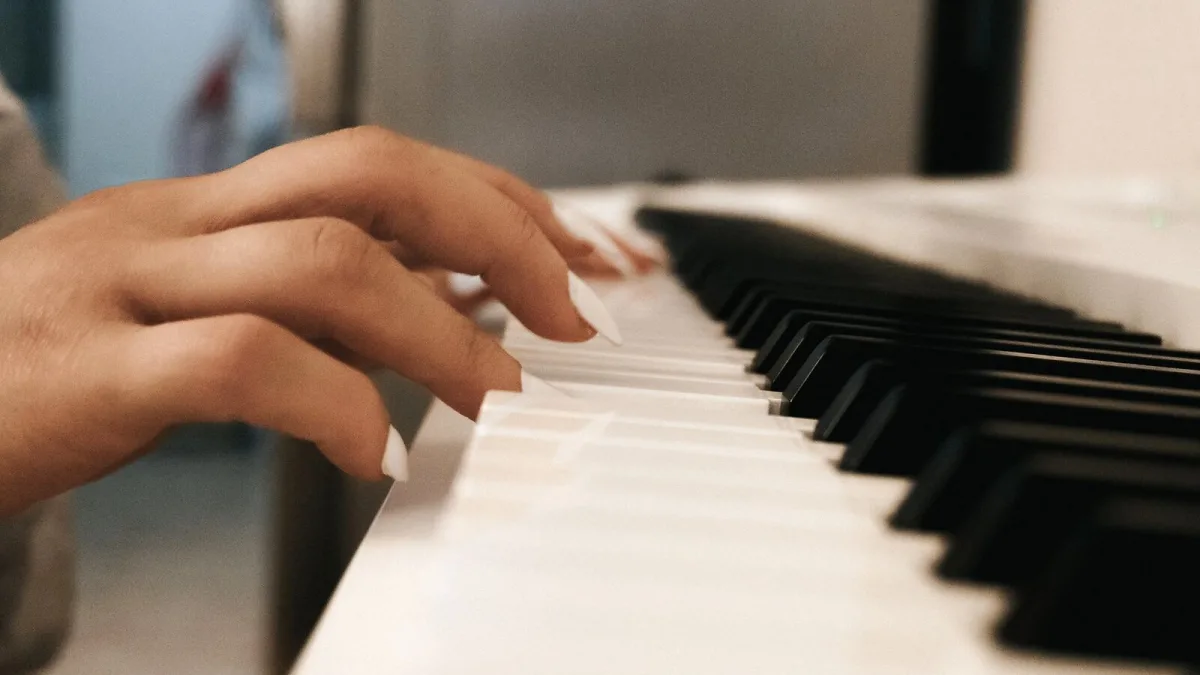
Roland piano keys are among the most discussed features when anyone starts exploring digital pianos. Whether you're shopping for your first instrument or looking to understand what sets Roland apart, the key action — how each note feels underfoot, or rather under finger — makes all the difference. This guide explains how they work, what types exist, and how to make sense of it all without getting lost in the jargon.
Why Key Action Matters
On an acoustic piano, each key connects to a complex hammer mechanism that strikes strings. The weight and response of that mechanism gives piano playing its distinctive feel — heavier at the bass end, lighter as you move up towards the treble. Digital pianos attempt to replicate that feel using a weighted action, a system of weights and springs built into each key.
Roland designs its keys around this principle. A poor action can actively hinder technique development, making it harder to play with nuance or build proper hand strength. A good action, on the other hand, builds the right habits from the start — and makes the whole experience of playing considerably more enjoyable.
The Main Types of Roland Piano Keys
Roland uses several proprietary action systems across their range, each suited to a different level and budget. Here's how they stack up:
PHA-4 Standard
Found on entry-level and mid-range models such as the FP-30X and RP series, this is Roland's baseline weighted action. It uses a hammer mechanism to replicate the feel of an acoustic piano and includes an escapement — a subtle click when a key is pressed very slowly, mimicking the behaviour of a real grand piano mechanism. For most learners and intermediate players, this is entirely adequate.
PHA-4 Premium
A step up from Standard, the PHA-4 Premium adds Roland's Ivory Feel surface on the white keys and Ebony Feel on the black keys. These textured surfaces absorb moisture slightly, giving you a more secure grip during longer practice sessions — particularly useful in warm conditions. The action itself is also refined for a smoother, more consistent response.
PHA-50
The flagship of Roland's key technologies, the Progressive Hammer Action 50 (PHA-50) appears on high-end models like the FP-90X and RD-2000. It uses a hybrid material for the key mouldings — a combination of wood-like material and moulded resin — giving it a subtle flex and warmth that synthetic materials alone can't match. The progressive element means the resistance genuinely increases as you move down toward the bass keys, just as it does on a grand piano.
Grand Feel Escapement
Some premium Roland instruments also incorporate the Grand Feel Escapement mechanism, which creates a more convincing sense of the key escaping from the damper during slow, deliberate playing. It's a refinement you might not notice when playing at pace, but that becomes meaningful in expressive, slow passages.
Key Width and Layout
Roland's full-size digital pianos use a standard 88-key layout matching an acoustic concert piano. Some compact or portable models, particularly in the GO series and certain workstations, offer 61 or 76 keys — these suit songwriters and performers who don't need the full compass, but they're generally not ideal for classical learners who'll eventually need all 88 keys.
The key width on Roland's full-size instruments matches the standard acoustic measurement, so anything you learn on a Roland translates directly to playing an acoustic instrument.
Features That Complement the Keys
The keys don't work in isolation — several other features feed into the overall playing experience:
- Grand Feel Pedal System: Available on select high-end Roland pianos, this adds a subtle resistance when the sustain pedal is pressed, replicating the feel of a real piano's damper mechanism.
- Key surface texture: Ivory Feel and Ebony Feel finishes appear on mid-range and premium models, improving grip and feel.
- Key weight distribution: The progressive weighting across the keyboard means you're training your hands correctly from day one, which matters more than many beginners realise.
Tips for Getting the Most from Roland Keys
Once you've got the right instrument, a few habits will serve you well:
- Practise scales and arpeggios across the full keyboard — don't stay in the middle octaves where your comfort zone sits.
- Adjust the touch sensitivity setting if your instrument offers it. Most Roland digital pianos let you set the key sensitivity (light, medium, heavy) to suit your current strength and technique.
- Keep the keys clean — a slightly damp cloth on the Ivory Feel surfaces works well, but avoid harsh cleaning products.
- If you're also playing a real acoustic piano, set your Roland's action to match as closely as possible so the transition feels natural.
Which Roland Key Action Is Right for You?
The honest answer is: spend as much as you sensibly can on the action, because it directly shapes your development as a player. The PHA-4 Standard on the FP-30X is genuinely good — beginners and intermediate players don't need to feel they're compromising. If you're more advanced or serious about classical technique, the PHA-50 on the FP-90X or the RD-2000 is worth the extra investment.
For a closer look at which specific Roland models offer the best value at different budgets, see our guide to the best Roland piano keys for the money. If you're buying your first Roland, our complete buyer's guide walks through every decision step by step. New to the keyboard altogether? The beginner's guide to Roland piano keys is the right place to start.





Comments