


Roland Piano Keys roundup
Roland Piano Keys: A Complete Buyer's Guide
Choosing Roland piano keys means picking the right action type, budget bracket, and features for how you'll actually play. This guide covers every decision clearly, from PHA-4 to PHA-50.
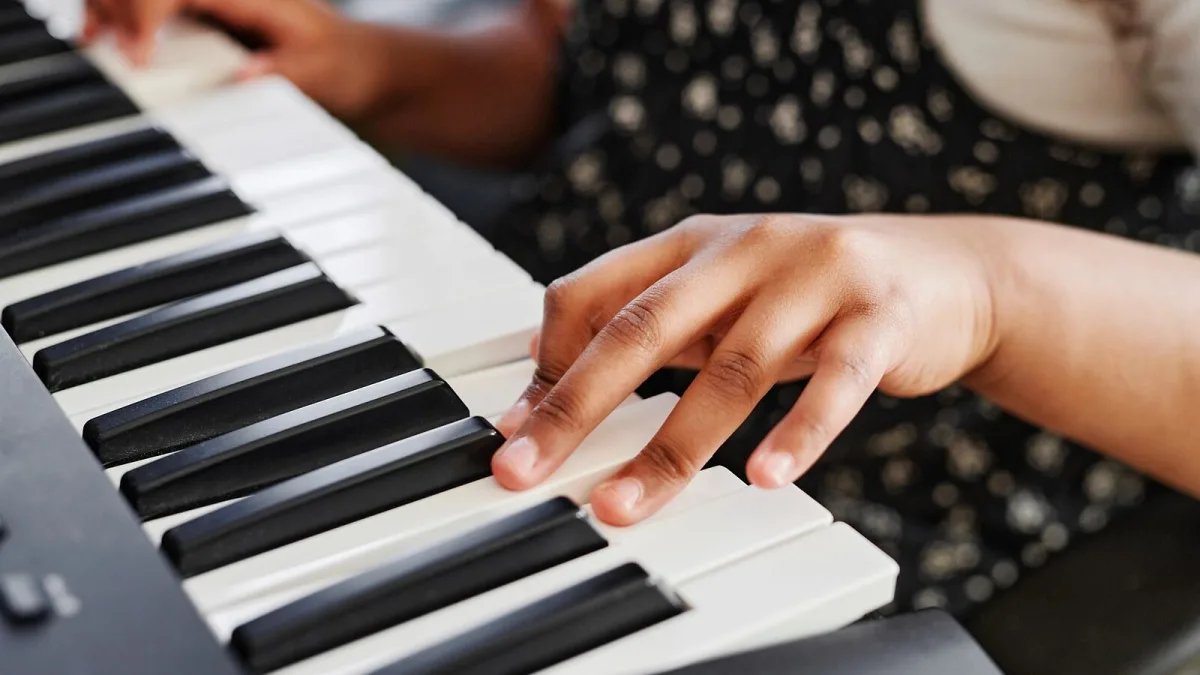
Buying Roland piano keys — or more precisely, a Roland digital piano — means making several decisions that will shape how you or someone you love actually plays and practises. Get the right action and the instrument becomes a joy. Get it wrong and the player stalls before they've properly started. This guide takes you through every meaningful choice, from action type to budget, so you can buy with confidence.
Start With the Key Action
The most important feature on any digital piano is its key mechanism — the way the keys feel and respond. Roland builds its instruments around proprietary weighted-action systems, and understanding the differences will anchor the rest of your decision.
PHA-4 Standard — the sensible starting point
This is the entry-level weighted action, found on the FP-30X and RP series. It uses a hammer mechanism to simulate the feel of an acoustic piano, with an escapement — a faint click sensation when a key is pressed very slowly — that mimics the real mechanical action. For a learner or intermediate player, this is a serious, functional key action. Don't let the word "entry-level" put you off: the PHA-4 Standard on the FP-30X is genuinely good.
PHA-4 Premium — worth the step up
The Premium version adds Ivory Feel and Ebony Feel textures to the white and black keys respectively. These surfaces absorb moisture from your fingers during long sessions, giving you better grip and a more natural feel. The action itself is also slightly smoother. If budget allows, the step to PHA-4 Premium is worth making.
PHA-50 — for the serious player
Roland's top-tier mechanism uses a hybrid construction with a wood-like element in the key moulding, plus the full escapement and progressive weighting from bass to treble. If you're an advanced player or returning to the piano after years on acoustics, the FP-90X or RD-2000 with PHA-50 will feel noticeably more like the real thing. This is where the playing experience becomes genuinely premium.
How Many Keys Do You Need?
Most Roland digital pianos offer a full 88-key layout — the same as an acoustic concert grand. This is the right choice for classical learners, serious students, and anyone who intends to play on acoustic instruments alongside their Roland. An 88-key instrument means nothing you learn is physically impossible to transfer to a real piano.
Some Roland keyboards offer 61 or 76 keys (the GO:KEYS, certain Juno synths, and workstations). These suit songwriters, producers, and performers who don't need the full range. They're generally not recommended for learners focusing on classical or graded music, where you'll need all 88 keys as you progress.
Budget Brackets — What You Get at Each Level
| Budget range | Typical models | Key action | Best for |
|---|---|---|---|
| Under £500 | RP30, FP-30X | PHA-4 Standard | Beginners and learners |
| £500–£900 | FP-60X, F701 | PHA-4 Premium | Intermediate players |
| £900–£1,800 | FP-90X, HP702 | PHA-50 | Advanced players, home studios |
| £1,800+ | LX series, RD-2000 | PHA-50 + Grand Feel | Serious performers, teachers |
Portability vs. Home Use
Roland digital pianos split into two broad categories: portable (slab-style, no integrated stand or lid) and furniture-style (with a proper cabinet and pedal unit). For a permanent home setup where the piano will live in one room, a furniture-style model like the HP or F series gives a more acoustic-piano-like feel underfoot and looks more at home in a living space. The FP series is portable by design, with an optional stand — ideal if you practise at home but also play at venues or church.
Pedals: a Surprisingly Important Factor
The sustain pedal is essential — you can't play piano properly without one. Check what's included with the model you're considering. Budget models typically include a single-point sustain pedal (a small switch that clips on); you'll want to budget for a proper three-pedal unit if you're serious about your playing. The FP-90X, HP and LX models include a proper three-pedal unit. Higher-end models include Roland's Grand Feel Pedal System, which adds a slight resistance to the damper pedal.
Connectivity and Features to Consider
- Bluetooth: Several Roland models offer Bluetooth MIDI or audio, letting you stream music from your phone or connect wirelessly to the Roland app. Convenient for learners using play-along software.
- USB-MIDI: Standard on most Roland digital pianos. Connects directly to a computer or DAW for recording.
- Headphone outputs: At least one headphone jack is standard. Some models have two — useful for teacher-student situations.
- Speaker quality: If you'll be playing without headphones in a room, check the speaker system. Higher-end Roland pianos have considerably better speaker arrangements than budget models.
The Bottom Line
When it comes to Roland piano keys, buy the best action you can reasonably afford — it will directly affect how you develop as a player. For most learners, the FP-30X is an excellent entry point. For a more detailed look at which models perform best at specific price points, our best Roland piano keys for the money guide breaks it down clearly. If you're just starting out, the beginner's complete guide will help you avoid common first-time mistakes. And for a full explanation of how Roland's key technologies actually work, see our Roland piano keys explained overview.





Comments