


Tuning the Piano roundup
Tuning the Piano: A Complete Buyer's Guide
Booking piano tuning means buying someone's ear and judgement, not a product off a shelf. Here's what to ask before you commit, and what the DIY route really involves.
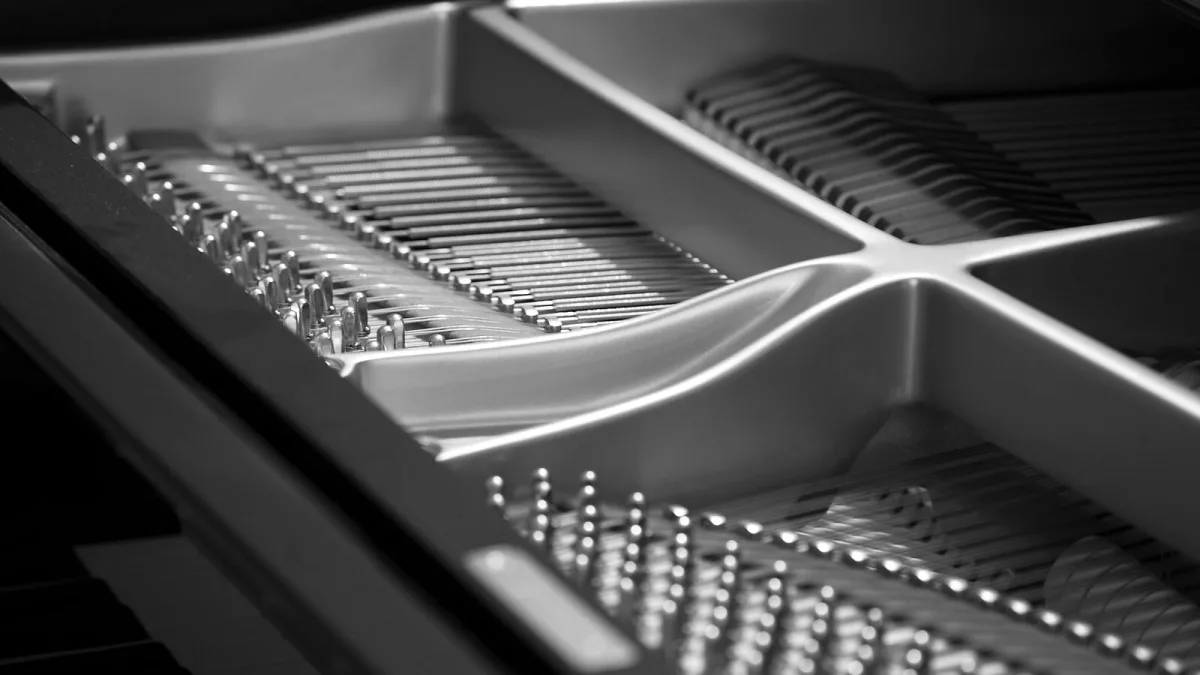
Booking a piano tuning isn't quite like buying a product off a shelf — you're paying for someone's ear, training and judgement as much as their time. That makes it a harder thing to shop for than a new stool or a metronome, because you can't compare specs on a box. This guide walks through what you're actually paying for, how to vet whoever you book, and what's involved if you'd rather try some of it yourself.
What You're Actually Paying For
A proper visit isn't just "turning some pegs until it sounds right." A technician typically sets a careful temperament across the middle of the keyboard, extends that tuning outward through the bass and treble, and then works through every unison — the two or three strings that share each note — until they ring cleanly together. If your instrument has drifted a long way off pitch, that first pass may only be a rough pitch raise, with a proper fine tuning following once the strings have settled. Ask up front whether your quote covers one visit or two, because a badly neglected piano often needs both.
Choosing Who Does the Work
Since anyone can call themselves a piano tuner, it's worth asking a few plain questions before you commit:
- How long have they been tuning professionally, and did they train under an established technician or manufacturer?
- Do they work mostly on uprights, grands, or both — your piano's type matters?
- Do they use an electronic tuning device, aural judgement, or a mix of both?
- Are they insured to work in your home?
None of these questions are awkward to ask, and a technician worth hiring will answer them happily. If you'd rather understand the process first, our plain-English explainer on piano tuning covers the terminology you'll hear them use.
DIY Tools, If You Want to Have a Go
Some owners do take piano tuning on themselves, and the kit for it is genuinely accessible: a tuning lever to turn the pins, rubber mutes or wedges to isolate individual strings within a unison, and an electronic tuning device — the Sanderson Accu-Tuner is a well-known professional example — to measure pitch and calculate a curve suited to your instrument. What's harder to buy is the judgement: a mishandled pin can slip or strip, and an over-tightened string can snap. If you're tempted, our step-by-step guide to how a tuning actually proceeds is worth reading in full before you touch a pin, and our round-up of the best options for the money compares that route against simply booking a professional.
Questions Worth Asking Before You Book
| Question | Why it matters |
|---|---|
| Will you need a pitch raise as well as a fine tuning? | Affects the time needed and whether it's one visit or two |
| What reference pitch will you tune to? | A440 is standard; ensembles sometimes ask for A442 |
| How soon can you visit if the piano has just moved house? | Relocation can shift a piano's tuning noticeably |
| Do you also offer voicing or regulation? | Useful if the piano's tone or touch needs attention too, not just its pitch |
What Makes One Piano Need More Work Than Another
Two identical pianos can need very different amounts of attention. Instruments kept somewhere with big swings in humidity or temperature drift out of tune faster, and a piano that's gone a long time between visits will usually need that preliminary pitch raise mentioned above. A piano that's recently been moved is also worth booking in sooner rather than later, since transport can unsettle its tuning even over a short distance.
Nervous about the whole process because the piano is new to your household? Our beginner's guide to piano tuning is written exactly for that situation.
Signs It's Time to Book Again
Between visits, a few warning signs are worth trusting:
- A single note "wavers" or shimmers instead of ringing cleanly — usually a unison slipping, not a full instrument problem.
- Chords that sound harsh, muddy or faintly sour, especially in keys you don't play often.
- The whole piano sounding uniformly low, which often points to a pitch raise being needed rather than a routine visit.
- Buzzes, rattles or dead notes — these are usually mechanical issues for a regulation visit, not something a tuning alone will fix.
None of these need an emergency callout, but they're a fair reason to move your next appointment forward rather than waiting out the full six months.
The Bottom Line
Good piano tuning is a service built on training and a trained ear, not a product you can compare on price alone. Ask a few sensible questions, expect honesty about whether your instrument needs extra work, and you'll get a result that's worth every penny of what you paid for it.





Comments