


Tuning the Piano roundup
The Best Tuning the Pianos for the Money
From a free tuning app to booking a professional, here's a tier-by-tier look at piano tuning options and which one actually gives you value for money.
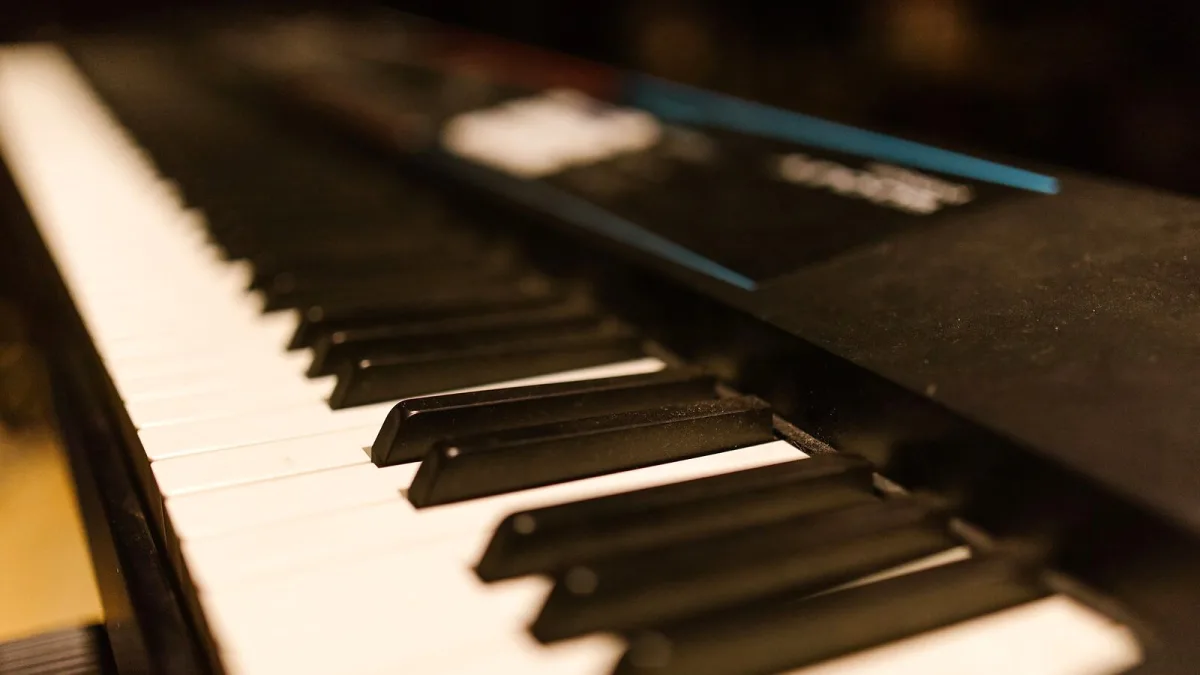
There isn't one single "right" way to keep a piano in tune — it depends on your budget, your patience, and how fussy your ear is. Rather than naming products, this guide breaks piano tuning down into three realistic tiers, from a free app on your phone right up to booking a professional, so you can work out which one actually suits you and your instrument.
Budget Tier: Apps and Basic Tools
At the cheapest end, a chromatic tuning app on a phone will tell you whether a note is sharp or flat against a fixed reference. It's genuinely useful for spot-checking a single note between visits, or reassuring yourself that a piano hasn't drifted badly. What it won't do is manage a proper temperament, calculate stretch across the whole keyboard, or judge a unison by ear — and turning tuning pins without the right lever and mutes risks damaging the piano rather than fixing it. Treat this tier as a diagnostic tool, not a substitute for a proper professional visit.
Mid Tier: Electronic Tuning Devices
A step up from a phone app is a dedicated electronic tuning device — the Sanderson Accu-Tuner is the best-known professional example. These measure a piano's own inharmonicity and calculate a tuning curve customised to that specific instrument, which is a real technical advantage over a generic fixed reference. Serious hobbyists and some technicians use these alongside a tuning lever and mutes to work through a full piano tuning themselves. It's a genuine option if you're willing to learn properly first — our step-by-step guide to how a tuning session runs is the right place to start before you touch a single pin.
Premium Tier: A Professional Hybrid Tuning
At the top end is what most working technicians actually do: combining an electronic device for measurement with aural judgement for the parts a screen can't hear — how a unison rings, whether a chord holds together across octaves, whether the piano needs a pitch raise before a fine tuning will hold. This is where the training and experience really earn their keep, and it's the only route likely to satisfy a demanding ear or a piano used for teaching or performance. Our buyer's guide to piano tuning covers exactly what to ask before you book someone at this level.
Comparing the Three Tiers
| Tier | Best for | Limitations |
|---|---|---|
| Tuning app | Spot-checking a note between visits | No temperament, stretch or unison judgement |
| Electronic device + own tools | Confident hobbyists willing to learn properly | Real risk of a slipped pin or broken string without training |
| Professional hybrid tuning | Most households, teaching studios, performance pianos | Highest cost, but the only route that reliably holds |
What Actually Gives You the Best Value
For most people, the honest answer is the professional tier. Piano tuning that doesn't hold — because a unison was rushed or a pin wasn't stabilised properly — often means paying twice, so cutting corners rarely saves money in the long run. The DIY route makes far more sense as a learning project you're genuinely committed to than as a way to save on a single visit. If you're brand new to owning a piano and unsure where you even sit in all this, our beginner's guide to tuning a piano is a gentler place to start, and our plain-English explainer fills in the terminology along the way.
Getting More Out of Whichever Tier You Choose
Whatever you settle on, a few habits make the result last longer regardless of tier:
- Keep the instrument away from rapid humidity and temperature swings. Movement in the soundboard is one of the biggest causes of drift between visits, at any budget.
- Book sooner after a house move. Even a short relocation can unsettle strings enough to be audible within weeks.
- Don't ignore a wavering note. A single unison slipping is a small, cheap fix early on; left alone, the surrounding notes tend to follow it out.
- Ask what stage your piano is at. A long-neglected instrument may need a rougher pitch raise before any fine work will hold, whichever tier is doing it.
None of this replaces choosing the right tier in the first place, but it does mean whichever one you pick actually holds for longer — which is really the whole point of paying for it at all.
The Bottom Line
Apps and gadgets have their place, but they're aids rather than replacements. If your piano genuinely matters to you — because you play it daily, teach on it, or perform with it — a properly trained professional doing a hybrid piano tuning remains the option that consistently delivers, tier for tier, the best result for the money.




Comments