


Piano with Labels roundup
Piano with Labels: A Complete Buyer's Guide
Which labels should you actually buy? Here's what I'd want a friend to know before spending any money on marking up a keyboard for a beginner.
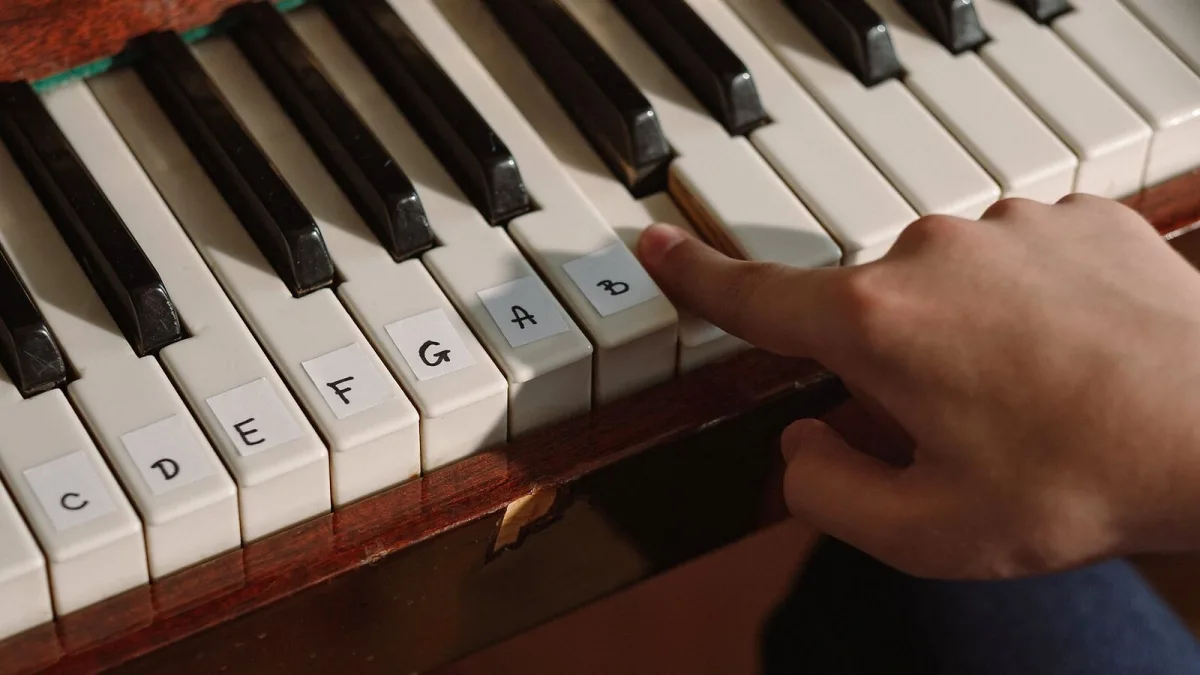
As a mum who's taught more than one nervous beginner at our own piano, I get asked the same question a lot: "which labels should I actually buy?" There are more options out there than you'd expect, and a few genuinely matter more than others. Here's what I'd want a friend to know before spending any money.
First, check your keyboard's key count
This sounds obvious, but it trips people up constantly when buying a piano with labels. Labels are typically sold for specific keyboard sizes — 88, 76, 61, 54, 49 and 37 keys are all common. Buying a set designed for the wrong size either leaves gaps or forces awkward overlaps, so measure or count your keys before ordering anything.
Full-key sets versus landmark sets
This is the first real decision, and it shapes how your child (or you) will actually learn.
| Option | Best for | Downside |
|---|---|---|
| Full-key set | Absolute beginners who need every note marked at first | Can look cluttered and slow down pattern recognition |
| Landmark set (C and F only) | Learners ready to work out the rest by position | Needs a touch more guidance early on |
| Reference strip | Shared or borrowed instruments | Sits above the keys, so it's a step removed from the note itself |
My honest advice: if you're buying for a genuinely nervous first-timer, a full-key set removes one source of anxiety early on. If your learner already has a little confidence, a landmark set will get them reading the keyboard's own pattern faster.
Removable really does mean removable — check it
This is the one thing I'd never compromise on. Always choose a product explicitly described as removable, and never apply permanent marker or non-removable adhesive to a real instrument without checking with a technician first. A few sensible checks before you buy:
- Does the listing specifically say "removable" or "residue-free"?
- Are there reviews mentioning what happens after weeks of use, not just on first application?
- Is there a version that sits above the keys rather than on them, for extra peace of mind?
Colour-coded or plain letter names?
For younger children, colour-coded systems can genuinely help early on — matching a colour to a note is often easier than reading a letter for a five- or six-year-old. Just be aware that colour systems work best as a stepping stone. Plan to move toward plain letter names fairly soon, since that's what sheet music and every teacher will eventually expect.
Acoustic piano or digital keyboard: does it change anything?
It does, slightly. Acoustic piano keys are usually a more delicate, sometimes textured surface — ivory, ivorine or lacquered wood — so extra care with adhesive matters more here than on a typical plastic digital keyboard key. If you own or are borrowing a family acoustic piano, favour products aimed specifically at acoustic instruments, or the reference-strip option that never touches the keys at all.
What you don't need to spend money on
A few things that sound useful but usually aren't worth the extra cost for most beginners: permanent engraved key overlays, elaborate multi-colour systems layering several kinds of information at once, and any product that doesn't clearly state it's designed to be removed cleanly. Simpler, genuinely removable options tend to serve a learner just as well.
Ready to set it up?
Once you've chosen a set, our step-by-step guide to setting up and using labels walks through applying them properly and, just as importantly, taking them away again once they've done their job. If you'd like the full background first, our complete explainer covers how the keyboard's note pattern actually works.
Common buying mistakes to sidestep
Buying a piano with labels the wrong way is easy to do: getting the key count wrong, choosing a permanent option out of habit, and over-labelling every single key when a landmark set would teach faster. Our full list of mistakes to avoid goes into more detail if you'd like to read further before buying.
The bottom line
Buying a piano with labels well really comes down to three things: get the right key count, choose removable over permanent every time, and pick full-key or landmark labelling based on your learner's confidence rather than habit. Get those right, and whichever product you choose should serve its purpose nicely for as long as it's needed — and no longer.





Comments