

Keyboard Stand article
Keyboard Stand Explained: Features, Types and Tips
A keyboard stand provides the foundation for comfortable, correct playing. Here's what to look for when choosing one.
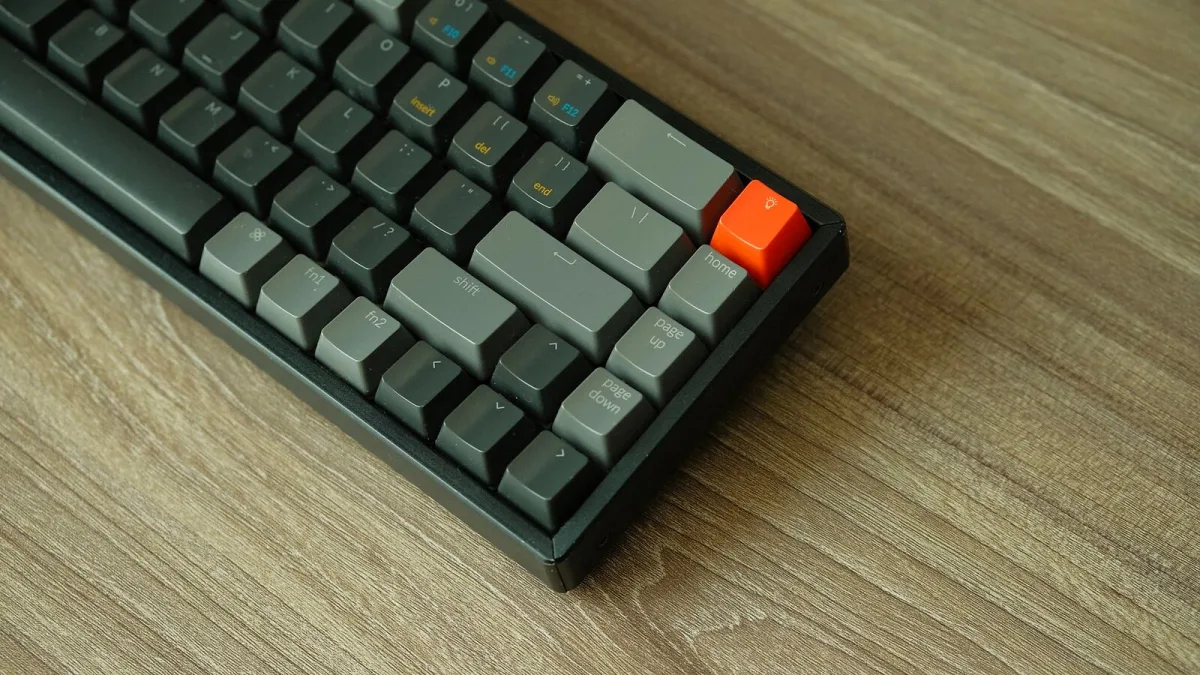
A keyboard stand is the often-overlooked foundation that holds your digital piano at the right height for proper technique and comfort. Whether you're learning, teaching or performing, the right keyboard stand matters more than you might think. This guide explains what a keyboard stand is, what different types exist, and what to look for when choosing one.
Why Keyboard Stand Height Matters
Playing at the correct height prevents tension, enables proper arm position, and makes learning and playing significantly more comfortable. Your elbows should be roughly at keyboard height when your arms hang naturally at your sides. Too low, and you'll hunch your shoulders and strain your wrists. Too high, and your fingers will approach the keys from an awkward angle, making control difficult and encouraging poor technique.
Many beginners set their keyboard stand too low because they want the keyboard to sit on a desk or table with other things. This is a mistake that accumulates over weeks and months — the physical tension becomes normal, and bad habits form. Starting right from the beginning saves effort later.
Types of Keyboard Stands
There are several types of keyboard stands, each designed for different situations and instruments.
Portable X-Frame Stands
The most common and affordable type, X-frame stands fold for easy transport and collapse to a compact size. They typically cost £30–£80 and work well for portable keyboards and entry-level digital pianos like the Yamaha P-series. They're lightweight, stable enough for most home situations, and can be adjusted to various heights. Their main limitation is that they're not furniture-grade — they're functional, not elegant, and they'll eventually show wear.
Sturdy Two-Tier Stands
These stands have a permanent, fixed structure with two tiers — one for the keyboard and one (lower) tier for pedals. They're heavier and more stable than X-frames, cost £60–£200, and suit mid-range digital pianos and home setups where the stand will stay in one place. They're often adjustable in height and some can accommodate a variety of keyboard sizes.
Piano-Style Stands with Pedal Support
Designed specifically for full-size digital pianos (like a Clavinova), these stands integrate pedal support into a single unit, usually furniture-grade hardwood matching the piano's cabinet. They're permanent installations, often custom-made to match a specific piano model, and cost £200–£500+. They're not portable, but they look elegant and integrate the entire playing setup into one cohesive unit.
Keyboard Workstation Stands
For musicians using multiple keyboards, drum machines, or controllers simultaneously, workstation stands provide multiple tiers and space for several instruments. They're more common in music production contexts than learning situations and cost £150–£400+. They're substantial and usually stay in one place.
Key Features to Look For
Height Adjustment
A good stand adjusts smoothly to different heights. This matters if you're tall or short, if multiple people with different proportions use the same stand, or if you place the stand in different rooms. Fixed-height stands are cheaper but less flexible. Look for stands with smooth, incremental height adjustment that holds its position without slipping.
Stability
The stand must be rock-solid and not wobble, rock or shift when you play. A wobbly stand is distracting and unsafe. Heavy instruments like a Clavinova need a correspondingly heavy, stable stand. A lightweight portable stand under a lightweight portable keyboard is fine. Match the stand's weight capacity and design to the instrument's weight.
Width Adjustment
Stands that adjust in width to fit different keyboard sizes are more versatile. If you might use different keyboards in the future, width adjustment is worth having. Many stands fix on a specific size range, which is fine if you know your instrument will stay the same.
Durability
Cheaper stands use metal tubes and plastic connectors that can crack or corrode. Better stands use heavier-gauge metal and quality hardware. If you'll be moving the stand regularly or using it professionally, invest in durability — it pays off over years of use.
Portable vs. Permanent
If you move house regularly, play in different locations, or live in a small space, a portable stand makes sense. If you have a dedicated space and your keyboard will stay in one place, a sturdy two-tier or furniture-style stand is worth the investment — it'll feel less temporary and perform better.
Keyboard Stands and Posture
A correctly adjusted keyboard stand is essential for good posture. Your wrists should be straight (not bent up or down), your elbows should be at roughly keyboard height, and your back should be reasonably straight. These simple points prevent repetitive strain injuries and make learning easier. A stand that won't adjust to suit your body proportions is working against you.
The Bottom Line
Don't ignore the stand. It's the invisible foundation of your playing setup. A £60 sturdy two-tier stand that adjusts smoothly and holds position is more valuable than a cheap wobbly stand at half the price. Match the stand to your keyboard's size and weight, ensure it adjusts to a comfortable height, and choose portability or permanence based on your situation. Your back, wrists and technique will thank you.





Comments