


Hammond Organ article
Hammond Organ for Beginners: A Complete Guide
Two keyboards, odd numbered sliders and pedals underfoot need not be daunting — here is where to start, one small step at a time.
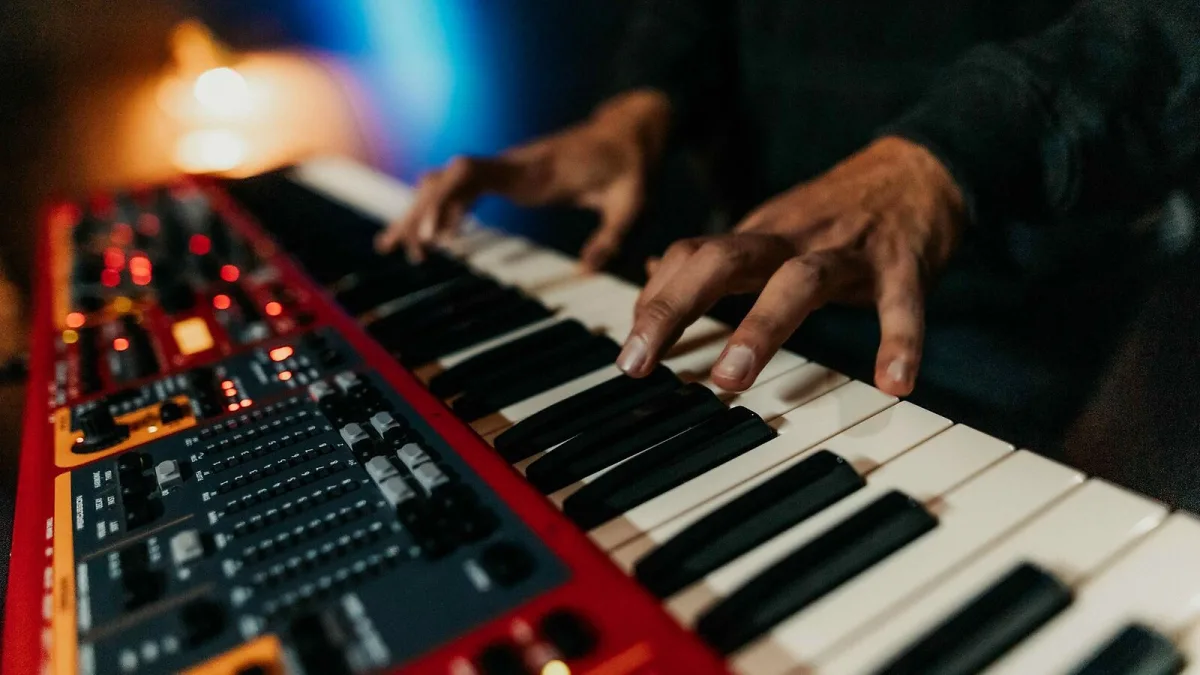
Sitting down at a Hammond organ for the first time can feel a little daunting — two keyboards, a row of odd numbered sliders, and pedals under your feet. Take a breath. You do not need to understand any of it fully before you make a lovely sound, and this guide will get you there gently, one small step at a time.
Your First Ten Minutes
Ignore the pedals and the lower manual for now. Sit at the upper keyboard, find middle C, and play a simple, slow melody with your right hand — anything you already know on a piano will do. Notice something important straight away: unlike a piano, the note does not fade. It holds steady until you lift your finger. That single difference shapes almost everything about how this instrument is played.
Meet the Drawbars, Gently
Those numbered sliders above the keys on a Hammond organ are called drawbars, and they are simply how you build your own sound. Pull one towards you and you add a little more of that tone; push it back in and you take it away. You do not need to memorise anything today. Try this one simple setting to begin with:
- Pull out the second and fourth drawbars a little way
- Leave the rest pushed in
- Play a few slow notes and listen to how gentle and rounded it sounds
Now try pulling several drawbars further out and play the same notes again. Hear how much brighter and busier it becomes? That is the whole idea, and there is no wrong setting while you are exploring.
Two Keyboards, No Rush
A full-size Hammond organ has two manuals, and each one usually has its own set of drawbars. Beginners often assume they need to use both hands on different keyboards straight away — you really do not. Play everything on the upper manual for your first few weeks, and only bring the lower manual in once the upper one feels comfortable under your fingers.
What About the Pedals?
The pedalboard under your feet plays bass notes, and it is genuinely one of the trickiest parts of learning a Hammond organ, so be patient with yourself here. Most beginners get further, faster, by leaving the pedals alone at first and simply playing bass notes with their left hand on the lower manual instead. There is no rule that says you must use your feet from day one.
A Few Easy Places to Start Playing
- Simple gospel-style chords — slow, sustained triads with a gentle drawbar setting teach you a lot about phrasing.
- A basic blues shuffle — even a simple twelve-bar pattern starts to feel authentic on this instrument almost immediately.
- Sustained pads behind a song you already know — hold long notes and get used to using the expression pedal to swell the volume in and out.
That expression pedal, by the way, is your main volume control, and learning to move it smoothly is one of the most useful early habits you can build.
Building Confidence Week by Week
- Spend your first sessions on sound rather than speed — get comfortable with a handful of drawbar settings before chasing anything fast.
- Practise short phrases and let notes ring, since the instrument rewards sustain far more than quick, detached playing.
- Listen to a little gospel, jazz-organ trio or classic soul each week, and try to copy the feel, not the exact notes.
- Do not worry about the pedals until the manuals feel natural — they can wait.
You Are Not Alone in Finding It Different
Every organist who now plays a Hammond organ beautifully once sat exactly where you are, unsure which drawbar did what. If you would like to understand the instrument a little more deeply once the basics feel comfortable, our overview of how it all works fills in the background, and when you are ready to think about owning one, our buyer's guide is there for when that day comes.
The Bottom Line
Learning a Hammond organ is not about mastering every drawbar and pedal at once — it is about getting comfortable one small piece at a time, starting with a single manual and a simple sound. Be patient, keep your early practice short and enjoyable, and the confidence really does follow. Once you are playing regularly, take a look at our list of common mistakes to avoid so you do not pick up habits you will need to unlearn later.



Comments