


Hammond Organ roundup
Hammond Organ: A Complete Buyer's Guide
Vintage character or modern convenience? Here is exactly what to check before you buy, feature by feature.
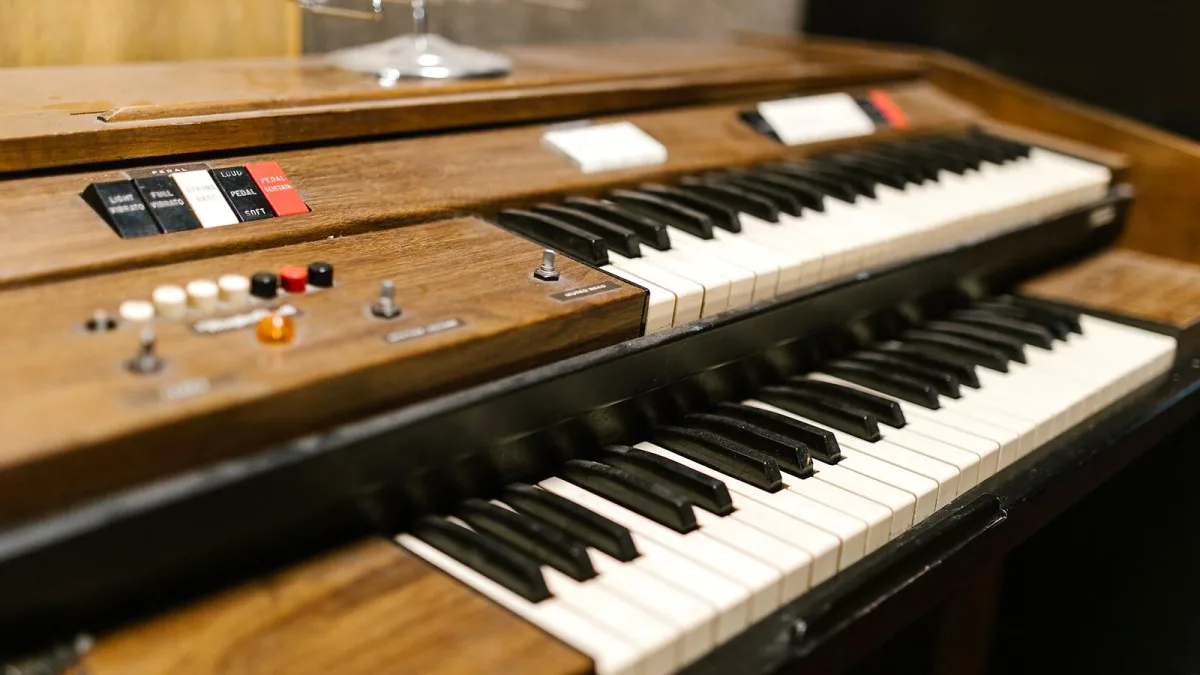
Buying a Hammond organ is a bigger decision than buying most keyboards, because you are really choosing between two quite different instruments that happen to share a name. One is a heavy, mechanical piece of history; the other is a modern digital tool built to imitate it. Take your time here, and by the end of this guide you will know exactly which questions to ask before you hand over any money.
Start With One Honest Question
Before you look at a single model, decide why you want one. Are you drawn to the romance of a genuine vintage tonewheel instrument, complete with its mechanical quirks? Or do you simply want that unmistakable sound, reliably, in a package you can carry to a gig on your own? There is no wrong answer, but it changes everything else in this guide.
Vintage Tonewheel or Modern Digital?
| Consideration | Vintage Tonewheel | Modern Digital |
|---|---|---|
| Weight and size | Very heavy, often needs help to move | Light enough for one person to carry |
| Sound source | Genuine spinning tonewheels and pickups | Modelled or sampled recreation |
| Maintenance | Needs occasional specialist servicing | Largely maintenance-free |
| Recording and MIDI | Usually none built in | Common, along with headphone practice |
| Extra sounds | Organ only | Often includes piano, ensemble and synth sounds too |
Neither column is the "correct" choice. A working musician who loads their own gear every weekend leans one way; a collector or a church with a fixed space to fill leans the other.
Features Worth Checking Carefully
Whatever type of Hammond organ you are weighing up, these are the features that matter most once you get your hands on one:
- Number of manuals — a full two-manual layout gives you separate drawbar sets for lead and accompaniment; a single-manual instrument is lighter but less flexible.
- Drawbars, not presets — proper drawbars let you build your own tone by hand rather than picking from a fixed list, and this is central to the instrument's character.
- Leslie or rotary simulation — check whether rotary speaker behaviour is built in, or whether you will need a separate cabinet or pedal to get that swirl.
- Pedalboard compatibility — if bass pedals matter to you, confirm the model actually supports a real pedalboard rather than assuming it.
- Percussion and vibrato/chorus — these small circuits shape a huge part of the classic tone, so make sure they are present and usable.
- Weight and footprint — be realistic about your stairs, your car and your stage before you fall for a vintage console.
If You Are Considering a Vintage Instrument
Buying an old tonewheel Hammond organ used is a little like buying a classic car: the good ones reward patience, and the neglected ones punish it. Before committing:
- Play every note on both manuals, listening for dead or crackly keys.
- Test every drawbar in and out — noisy drawbar contacts are common and fixable, but worth knowing about upfront.
- Ask when it was last serviced, and by whom, particularly the motor and any capacitors.
- Check the cabinet for damage, given how heavy and awkward these instruments are to move.
- Where possible, arrange an inspection by someone who actually services Hammond organs, not just any technician.
If You Are Considering a Modern Digital Model
A modern digital Hammond organ borrows heavily from Hammond-Suzuki's current range, including instruments like the SK Pro, the double-manual SKX Pro and the single-manual XK-5, aims to reproduce tonewheel behaviour, key click, percussion and Leslie movement without any moving parts. As you compare digital instruments, prioritise the quality of the drawbar feel and the rotary-speaker simulation over flashy extra sounds you may never use. A confident registration in the shop, using a simple setting rather than a factory demo, tells you far more than the sales pitch does.
Questions to Ask Before You Buy
- Does it have genuine drawbars, or only buttons that mimic them?
- Can I hear it through headphones or a proper amplifier before deciding?
- What warranty or return period applies if the feel is not right for me?
- If vintage, is there a local technician who services this model?
- Does it fit through my door, up my stairs and into my car?
If you would like the bigger picture first — how the instrument actually works and where it came from — our Hammond organ overview is a good companion piece, and our round-up of the best options at different budgets can help you narrow things down once you know your priorities.
The Bottom Line
There is no single "best" Hammond organ, only the right one for how and where you play. Decide first between vintage character and modern convenience, then work through the checklist above with an honest eye. Take your time, ask the awkward questions, and you will end up with an instrument you are genuinely happy to sit down at for years. And once it arrives, our guide to common mistakes to avoid is worth five minutes of anyone's time.




Comments