


Rosin Violin article
Rosin Violin for Beginners: A Complete Guide
A simple, no-fuss introduction to violin rosin for absolute beginners: what it does, which cake to start with, and how much is too much.
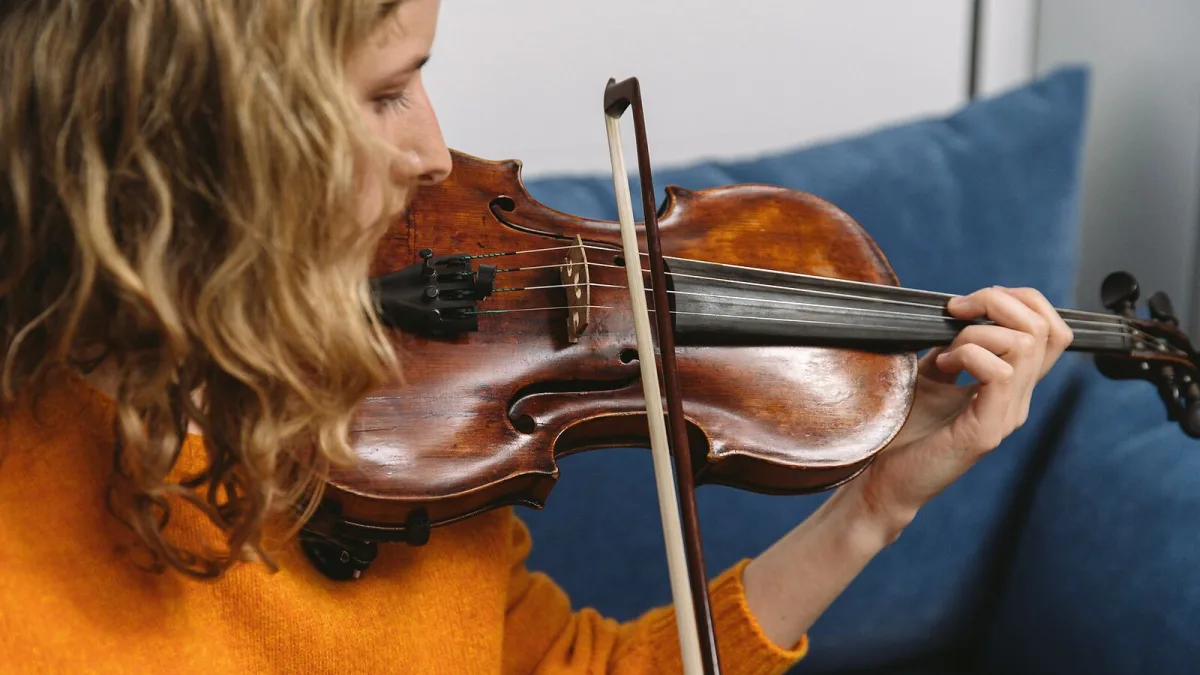
If your teacher has just handed you a small block of amber-coloured material and said "don't forget to rosin your bow," you're probably wondering what it actually is and why it matters so much. It's a fair question — nobody explains rosin properly when you're new, and yet almost nothing else affects how your very first notes sound quite as much.
Why Your Violin Needs Rosin at All
A bow's hair, on its own, is far too smooth to grip a string. Draw a completely bare bow across a string and you'll get little more than a faint, breathy whisper rather than a proper note. Rosin coats the hair with a thin, slightly sticky layer that lets it grip the string, stretch it a fraction, then let go — over and over, incredibly fast — and that tiny repeated action is what actually makes the string vibrate and produce sound. Without it, no amount of good technique will get you very far.
The One Rosin Most Beginners Should Start With
Don't overthink this part. A reasonably priced, well-reviewed student cake of violin rosin is genuinely all you need starting out — it's lighter in colour, cleaner-gripping, and easy to apply without much fuss. Save the research into specific brands and premium formulas for later, once you've got a season or two of regular playing behind you and a clearer sense of what you actually want to change.
A Simple First-Time Routine
Here's the easy version, without overwhelming detail: draw the bow across the cake a handful of times, evenly along its length, rather than rubbing hard in one spot. A brand new cake sometimes feels like it isn't doing anything at first — that's normal, and a few minutes of ordinary playing usually sorts it out. You genuinely don't need to rosin before every single practice session; once the hair feels like it's gripping properly, leave it alone for a few days.
How Much Is Too Much?
This is the mistake almost every beginner makes at least once: assuming more rosin means more sound, and coating the bow far too heavily. The signs are easy to spot once you know them — a cloud of visible dust drifting off the strings, a gritty or scratchy tone instead of a clean one, and a sticky, resistant feeling under the bow. If that happens, wipe the strings and instrument down properly with a soft cloth rather than reaching for even more rosin.
Questions Beginners Usually Have
- "Do I need a different rosin for a different instrument?" Yes — violin rosin is generally harder and cleaner than cello or bass rosin, so don't share a cake across instruments.
- "Does the colour matter?" A little, but not as much as marketing suggests. Light rosin tends to be harder and cleaner; dark tends to be softer and stickier. Either can work well on a beginner violin.
- "Can rosin go off or wear out?" A cake can crack, get contaminated with dirt, or melt if left somewhere hot, so keep it in its box and away from direct heat.
What Your First Cake Should Actually Look Like
Walk into a music shop and you'll see rows of violin rosin at wildly different prices, and it's easy to assume the cheapest option must be a false economy. In practice, a basic student cake from a reputable maker is perfectly good enough while you're finding your feet — it grips reliably, applies easily, and won't leave you wondering whether an expensive purchase was wasted on a beginner who's still working out which end of the bow to hold. Save the more considered comparisons for later, once you actually have enough playing experience to notice a real difference between products.
When to Ask Your Teacher for Help
If your sound stays thin and weak no matter how carefully you apply rosin, or if the bow feels like it's slipping regardless, don't quietly struggle through it. It's often not about the rosin at all — the bow hair itself may need replacing, which is a job for a proper instrument repairer, not something to try fixing with an even heavier coat.
Building Good Habits Early
Get into the routine of wiping violin rosin dust off your instrument with a soft cloth after every session, and you'll avoid most of the buildup problems that catch beginners out. Once applying rosin feels completely natural, our fuller step-by-step guide to applying rosin is worth a read for the finer details, and our common mistakes to avoid will help you sidestep the errors most new players make. Ready to think more carefully about which cake actually suits you? Our buyer's guide is the next step.
Bottom Line
Keep it simple: a light student cake, a handful of even strokes, and a wipe-down afterwards. That's genuinely enough to get you playing cleanly while you focus on the much bigger job of learning the instrument itself.





Comments