


Rosin Violin guide
How to Set Up and Use Rosin Violin
Even, controlled strokes and a bit of care afterwards — here's the correct step-by-step way to apply violin rosin.
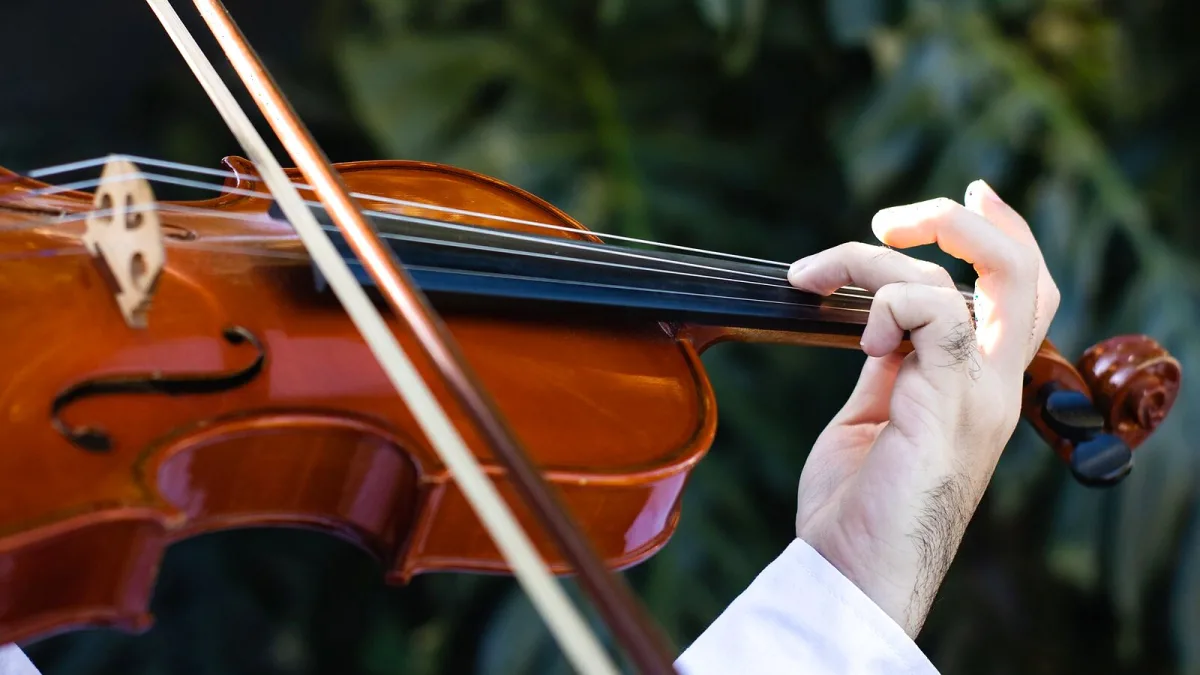
There is something almost alchemical about it: a bare bow drawn across a string produces barely a whisper, yet a few careful strokes across a block of pine resin transform that same bow into something capable of singing, snarling or whispering exactly as the player demands. Applying violin rosin correctly is a small ritual, but doing it properly makes a genuine difference to how your violin responds.
What You'll Need
- A cake of rosin suited to your instrument and typical playing conditions.
- A bow with hair in reasonable condition — badly worn or heavily contaminated hair should be rehaired by a luthier before rosin can help much.
- A clean, soft cloth for wiping the instrument and strings afterwards.
Applying Violin Rosin Step by Step
- Check the bow hair. Make sure it's properly tensioned for playing, but never leave it tightly wound when the bow is put away in its case.
- Use the flat surface of the hair against the cake. Draw the bow evenly along the rosin's full length rather than concentrating repeatedly on one small area.
- Cover the working length of the bow. A handful of slow, controlled passes from frog to tip is usually enough; exactly how many depends on your rosin, your bow hair and how much you've been playing.
- Stop once the hair feels ready. More rosin is not automatically better — new or freshly rehaired bows may need several applications early on, but daily heavy coating afterwards is rarely necessary.
- Keep the cake itself clean. Avoid dropping it, letting dust and grit collect on its surface, or leaving it somewhere hot enough to soften or melt.
- Wipe the instrument down afterwards. A soft, dry cloth over the strings, fingerboard and body removes loose rosin dust before it has a chance to build up.
Breaking In a Brand New Cake
A fresh cake sometimes feels too smooth for the hair to pick anything up from at first. Some players gently roughen the surface to help it along; others simply let ordinary bowing wear it in naturally over the first few sessions. Whichever approach you take, avoid aggressive scratching or gouging — it creates excess loose particles rather than genuinely improving how the cake performs.
How Often You Should Actually Reapply
There's no single correct frequency, because it depends on your particular rosin, your bow hair's condition and how many hours you're playing. A useful habit is to apply lightly before a practice session rather than mid-session, and to pay attention to how the bow feels and sounds rather than rosining on a fixed daily schedule regardless of need.
Troubleshooting: When Something Feels Off
| Symptom | Likely cause | What to try |
|---|---|---|
| Bow slips, notes speak late | Too little rosin, or worn/contaminated hair | Apply a little more; consider a rehair if the problem persists |
| Gritty, congested sound and visible dust | Too much rosin | Clean buildup from the strings and instrument before applying more |
| Rosin no longer seems to "take" | Old or glazed bow hair | Have the bow rehaired by a qualified technician |
| Cake feels wrong for the season | Climate mismatch | Switch to a lighter cake in heat, or a softer one in cold, dry weather |
A bow that still slips after correct application usually needs attention from a luthier rather than simply more product — old, glazed or dirty hair often can't hold rosin properly no matter how carefully you apply it.
Does the Bow Itself Change the Routine?
The basic technique for applying violin rosin stays the same whatever bow you're using, whether that's a student-grade fibreglass stick or a fine pernambuco bow that's been in a family for decades. What can change is how often you need to do it — a bow in daily use naturally needs topping up more often than one kept mostly for occasional practice, and a bow that's just been rehaired will typically need a more generous first few applications before it settles into its normal rhythm. None of that changes the six steps above; it simply changes how frequently you work through them.
Caring for Your Health, Too
Rosin dust can irritate the airways, skin or eyes in some players, particularly with heavy or careless application. Wiping down after every session, playing in a well-ventilated space, and choosing a low-dust formula if you're sensitive are all sensible precautions — though "low-dust" reduces airborne residue rather than eliminating it entirely.
Where to Go From Here
If you're still deciding which cake to buy in the first place, our buyer's guide covers exactly what to look for, and our full explainer goes deeper into how light and dark formulas actually differ. New to the instrument entirely? Our beginner's guide is the better starting point.
The Bottom Line
Applying violin rosin properly is simple once you've done it a handful of times: even, controlled strokes along the bow's length, cleaned up afterwards, using only as much as the hair actually needs. Master that small routine, and everything else about your sound becomes easier to control.





Comments