


Rosin Violin article
Common Rosin Violin Mistakes to Avoid
Six quiet, easily repeated violin rosin mistakes, and the simple habits that fix every one of them.
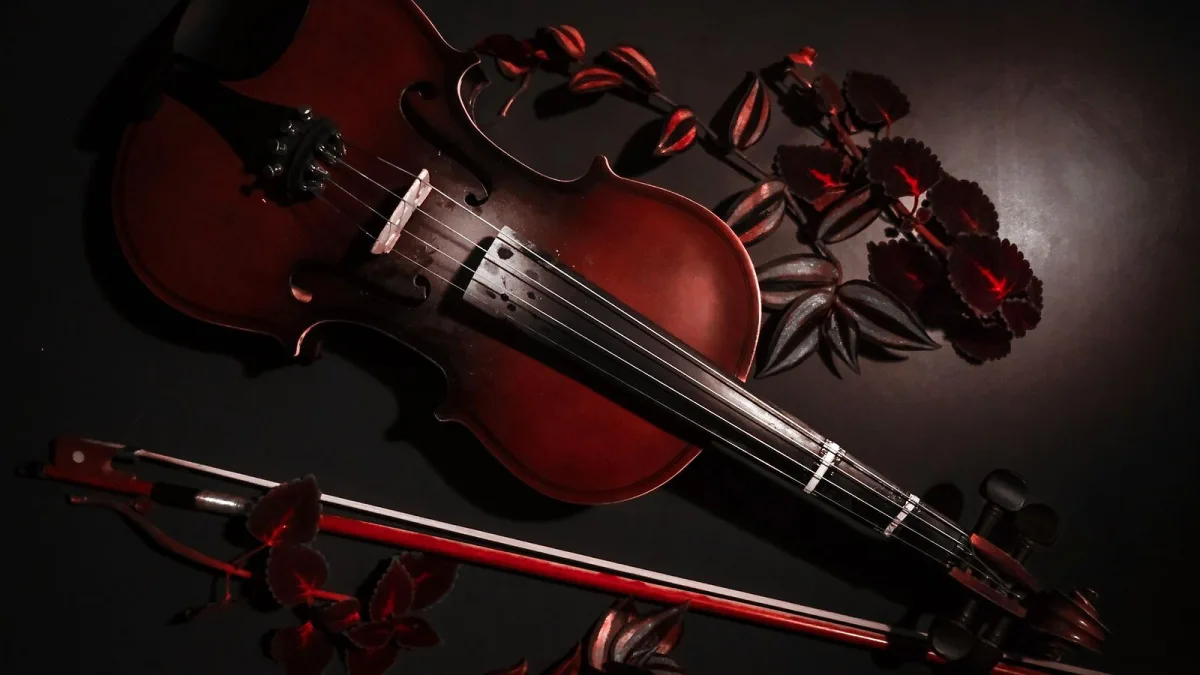
Violin rosin is such a small, unglamorous part of playing that it rarely gets discussed properly, and that silence is exactly why so many of the same errors get repeated by players at every level. None of these mistakes are complicated to fix once you know they exist.
Mistake One: Over-Rosining "Just to Be Safe"
The most common error by far is assuming more rosin will always mean more sound, and coating the bow heavily out of habit or nerves. In practice, excess rosin does the opposite of what players hope: it clouds the air with visible dust, coats the strings and fingerboard, and produces a gritty, congested tone rather than a clean one. A light, even application, topped up only when the hair genuinely needs it, will always serve you better than a heavy daily coating.
Mistake Two: Ignoring the Condition of the Bow Hair
Rosin can only do so much with hair that's old, glazed or contaminated. Players who keep reaching for more rosin because a bow "feels slippery," without ever considering that the hair itself might need attention, are treating a symptom rather than the cause. If a properly applied, appropriate rosin still isn't gripping well, a rehair from a qualified technician is very likely the actual answer.
Mistake Three: Never Wiping the Instrument Down
Rosin dust doesn't simply disappear after a session — it settles on the strings, the fingerboard and the varnish, and left unattended it builds into a stubborn residue that's far harder to remove than it would have been fresh. A quick wipe with a soft, dry cloth after every playing session takes moments and prevents a problem that otherwise creeps up gradually until it's genuinely difficult to shift.
Mistake Four: Choosing Purely by Colour
Light and dark are a useful rough guide, but treating colour as the whole story is a mistake. Two dark cakes from different manufacturers can behave in noticeably different ways, and a player who assumes "dark equals stickier equals better grip" without considering their instrument, strings and climate may end up with something poorly suited to their actual playing, however sensible the colour choice looked on paper.
Mistake Five: Scratching a New Cake Aggressively
A brand new cake can feel unresponsive at first, which leads some players to score deep grooves into its surface with a key or blade to "help it along." This is unnecessary and often counterproductive — it tends to create excess loose particles rather than genuinely improving grip. A light surface pass, or simply letting normal bowing wear the cake in gradually, is the gentler and more effective approach.
Mistake Six: Blaming Violin Rosin for an Unrelated Problem
Not every slipping bow or thin tone is a rosin problem. Worn strings, a poorly fitted bridge, humidity swings or a bow genuinely due for a rehair can all produce symptoms that look identical to "needs more rosin" at first glance. Working through the more obvious explanation before assuming the rosin itself is at fault will save both money and frustration.
A Seventh, Quieter Mistake: Sharing Between Instruments
Households with more than one bowed instrument sometimes keep a single cake on the shelf and pass it between a violin, a viola and even a cello, assuming rosin is rosin. It isn't. Violin rosin is generally harder and cleaner-gripping than the softer, stickier formulas suited to larger instruments, and sharing one cake across all of them tends to leave at least one instrument poorly served — usually the violin, coated in something noticeably heavier and grippier than it actually needs.
A Quick Self-Check
| If you notice... | Check first |
|---|---|
| Visible dust and a gritty tone | Whether you're over-rosining |
| A slipping bow despite fresh rosin | The condition and age of the bow hair |
| Buildup that won't wipe off easily | How consistently you clean after playing |
| A cake that feels "wrong" lately | Whether the season or climate has changed |
Getting It Right From Here
Avoiding these violin rosin mistakes is largely a matter of a little patience and a proper routine rather than any special skill. Our step-by-step guide to applying rosin correctly covers the technique in full, and our buyer's guide will help you choose a cake genuinely suited to your instrument and climate in the first place. Brand new to the violin? Start with our beginner's guide instead.
The Bottom Line
Most violin rosin mistakes come from the same instinct: treating it as a problem that more product can always solve. Slow down, apply it evenly, keep both the cake and the instrument clean, and look elsewhere first when something still feels wrong. Your sound, and your bow hair, will both last considerably longer for it.





Comments