


Rosin Violin article
Rosin Violin Explained: Features, Types and Tips
A small amber block that a violin bow genuinely cannot do without — here's what rosin is, and how to choose and use it well.
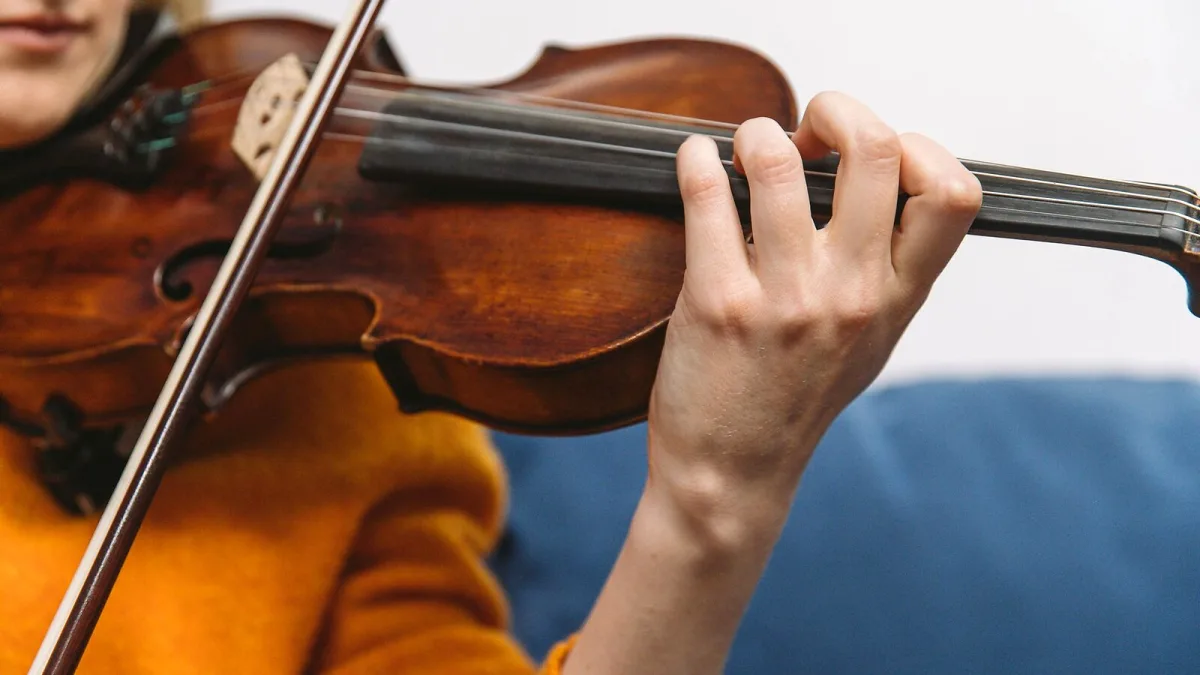
It looks like an unassuming amber block, small enough to slip into a case pocket, and yet without it a violin bow makes almost no sound at all. Violin rosin is one of the quietest essentials in string playing — rarely discussed, endlessly necessary. Here is what it actually is, how the main types differ, and how to think about choosing and using it well.
What Violin Rosin Actually Does
Violin rosin is a solid, brittle form of pine resin, sometimes called Greek pitch, applied to the hair of a bow. Untreated bow hair is too smooth to grip a string on its own, so drawing a bare bow across a string produces almost no sound. Rosin coats the hair with a fine, slightly tacky layer that lets it grip the string, stretch it briefly, then release — a rapid stick-and-slip motion, repeated many times a second, that is what actually sets a string vibrating and produces a sustained musical tone.
Light and Dark Rosin: What the Colour Really Tells You
Colour is a rough guide, not a scientific standard, but it correlates with two genuinely useful qualities: hardness and tack.
| Type | General character | Common use |
|---|---|---|
| Light or amber | Harder, drier, less sticky | Violin and viola, warm or humid conditions, clean articulation |
| Dark | Softer, stickier, heavier | Cello and double bass, thicker strings, cooler or drier conditions |
| Medium | Balances grip and cleanliness | Players wanting a middle ground between the two extremes |
Two dark cakes from different makers can behave quite differently, so treat colour as a starting point for research rather than a guarantee of how a particular product will feel under the bow.
Matching Rosin to Your Instrument
The conventional hierarchy runs from harder to softer as instruments get larger: violin generally takes the hardest, cleanest-gripping formulas; viola sits close behind, sometimes with a touch more grip; cello moves to something noticeably softer and more adhesive; double bass typically uses the softest, grippiest rosin of all. This reflects string thickness — heavier strings on larger instruments need more grip to speak properly. It is a sensible starting point rather than a fixed rule, and a violinist using gut strings or a particularly humid practice space may reasonably prefer something outside the usual light-rosin expectation.
How Climate Changes the Right Choice
Temperature and humidity affect rosin's behaviour as much as the instrument does. Warm, humid air tends to suit lighter, harder rosin, since a soft cake can turn gummy and over-grip in the heat. Cold, dry air favours darker, softer rosin, because a hard cake can feel thin and under-gripping once the air dries out. This is exactly why players who travel between climates, or simply live somewhere with real seasons, often keep more than one cake on hand.
Reading the Signs: Too Little or Too Much
- Too little: the bow slips, notes are slow to speak, soft attacks feel weak, and the sound turns thin or inconsistent.
- Too much: visible dust clouds around the instrument, a gritty or congested tone, excessive resistance under the bow, and rosin buildup on the strings or varnish.
Neither problem is usually solved by switching products immediately — first clean any buildup properly, and have a bow that still slips checked by a qualified technician rather than simply reaching for more rosin.
How Long a Cake Actually Lasts
A single block of violin rosin lasts a remarkably long time for such an inexpensive item — many players get through a year or more of regular playing on one cake, and it's genuinely possible to apply too little rather too often, wearing through good habits before you ever wear through the rosin itself. It typically fails not through being fully used up, but through cracking, picking up dirt, or simply getting old and glazed on the surface, at which point a fresh cake will grip noticeably better than the tired one you've been persisting with. If your violin rosin looks cracked, discoloured or has visibly hardened around the edges, that's a perfectly good reason to replace it, regardless of how much of the block technically remains.
A Note on Established Names
Long-standing manufacturers such as Pirastro, Hill, Bernardel, Jade, Kaplan, Melos and Andrea each produce their own formulas, often pitched at particular instruments, climates or dust preferences. Claims about superior projection, warmth or reduced dust are worth treating as marketing until you have actually tried a cake on your own bow and strings — what works brilliantly for one player's setup can feel entirely wrong on another's.
Putting It All Together
For the practical steps of applying it correctly, our guide to setting up and using rosin walks through the process in full, and if you're choosing your first cake, our buyer's guide covers exactly what to look for. New to the violin altogether? Start with our beginner's guide instead.
The Bottom Line
Violin rosin is a small, unglamorous product doing an essential job: without it, a bow simply cannot make a string speak. Understanding the light-versus-dark distinction, matching a cake to your instrument and climate, and learning to spot the signs of too much or too little will take you a long way toward a cleaner, more consistent sound.




Comments