


Stentor Violin roundup
The Best Stentor Violins for the Money
Not every Stentor model is the best buy at every stage. Here's which instrument offers the most for the money, from first lessons to upper intermediate.
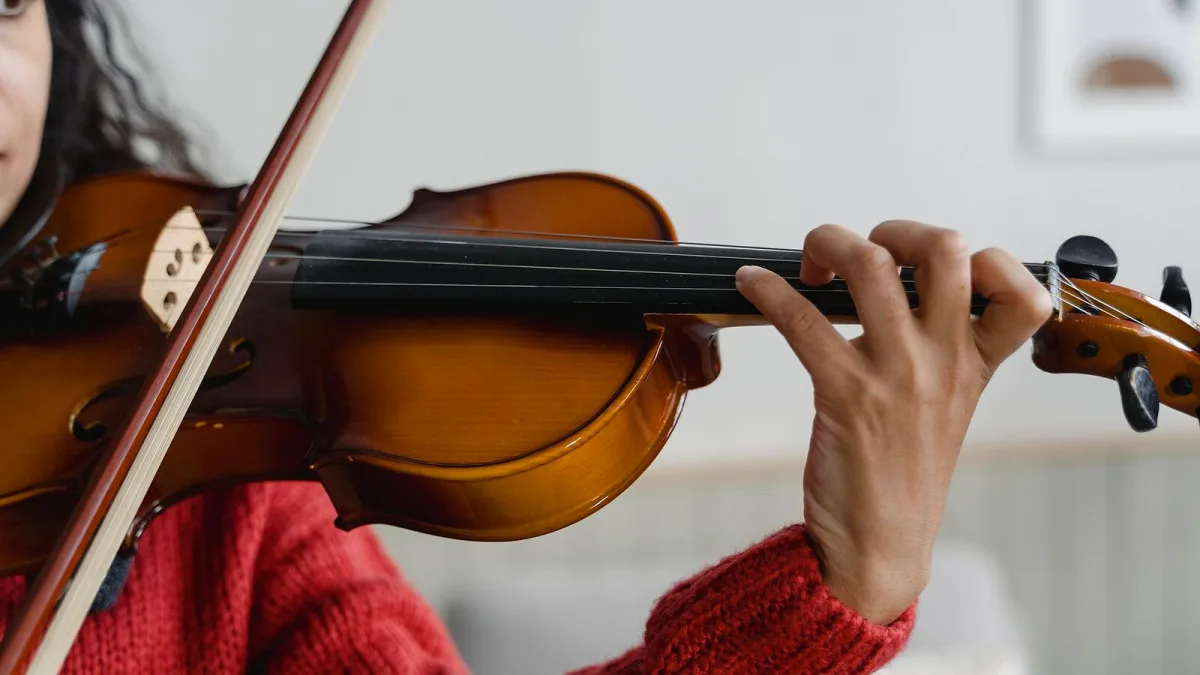
Value in a violin is not simply a matter of finding the cheapest instrument. It is about finding the instrument that does the most for the player at any given stage without asking them to pay for capabilities they are not yet able to use. Stentor violin has built its reputation precisely here — in the space where good enough for real learning and affordable enough to justify the risk overlap. The question is which model occupies that overlap best for your situation.
The Student II: Best Value for First-Time Buyers
For a first-time buyer purchasing a Stentor violin, the Student II is the most consistently defensible choice. It costs more than the entry-level Student I, but the solid spruce top makes a real difference to the instrument's sound — enough to encourage a child or adult beginner in a way that a fully laminated instrument does not. Teachers regularly note that students progress more confidently on instruments that respond well, and the Student II responds well enough to support genuine early development.
The Student I exists, and it serves its purpose as an absolute-minimum-entry instrument. But for any buyer who expects the player to persist past the first few months, the Student II delivers better value over time: it sounds better, stays useful longer, and costs only modestly more at point of purchase.
The Conservatoire: Best Value for Committed Learners
If the question is about medium-term value — where to invest if the player is committed and will be working toward grade exams — the Stentor violin Conservatoire offers something close to the best available at its price point in the student market. It uses solid tonewoods throughout, has better quality fittings, and produces a sound that teachers describe as genuinely capable rather than merely adequate.
The Conservatoire is typically recommended for players from around Grade 3–4 upward. At this stage, the limitations of lower-tier instruments start to show in the tonal range available for dynamic and expressive work, and the Conservatoire addresses those limitations without requiring the player to move to a significantly more expensive specialist market. For families who want to buy once and not return for several years, the Conservatoire is the clear choice.
The Graduate: The Middle Ground
Between the Student II and Conservatoire sits the Graduate model, which occupies useful middle ground for players who have progressed beyond basics but for whom the Conservatoire represents more instrument than they currently need. The Graduate uses better tonewoods than the Student II and has improved fitting quality, supporting further development without the full commitment of the Conservatoire price point.
The Stentor violin Graduate makes particular sense for players at around Grade 2–3 who are clearly continuing but whose teachers are not yet recommending the step up to an intermediate instrument. It bridges the gap comfortably and represents a sensible investment for that stage.
Value in Context: What You Pay For
A useful comparison across the Stentor range looks like this:
| Model | Top Wood | Back & Sides | Best For |
|---|---|---|---|
| Student I | Laminate | Laminate | Absolute beginners, try-before-commit |
| Student II | Solid spruce | Laminate | Beginners likely to continue |
| Graduate | Solid spruce | Improved laminate | Grade 2–3 development |
| Conservatoire | Solid spruce | Solid maple | Grade 3–5 and above |
| Messina | Solid spruce | Solid maple | Upper intermediate, Grade 6+ |
Fractional Sizes and Value
For children who will change size as they grow, rental schemes from specialist music shops often represent better value than buying outright — particularly for the smaller fractional sizes that are only needed for a year or two. When buying, the Student I and Student II are available in the widest range of fractional sizes and provide the most cost-effective options for children in the early stages of learning who will need to change size soon.
The Real Cost of a Cheap Violin
One thing worth noting: the very cheapest violins on the market — often sold without a brand name through general online retailers — can be actively counterproductive. Instruments with poor intonation, high string action or a sound that is difficult to produce cleanly make learning harder and discourage the player. A Stentor violin at any tier in the proper range avoids these pitfalls. The Student I is the entry-level, but it is a real instrument from a company that has been making them seriously for over a century.
For a full picture of the range, including which model suits which stage and size, see the ultimate guide. For a structured buying decision, the buyer's guide covers it in depth. And for beginners starting from scratch, the beginner's guide has everything you need before your first lesson.





Comments