


Stentor Violin article
Stentor Violin for Beginners: A Complete Guide
Starting on a Stentor violin is a sound choice — here's how to set up correctly, what to do before your first lesson, and what to expect in the early weeks of learning.
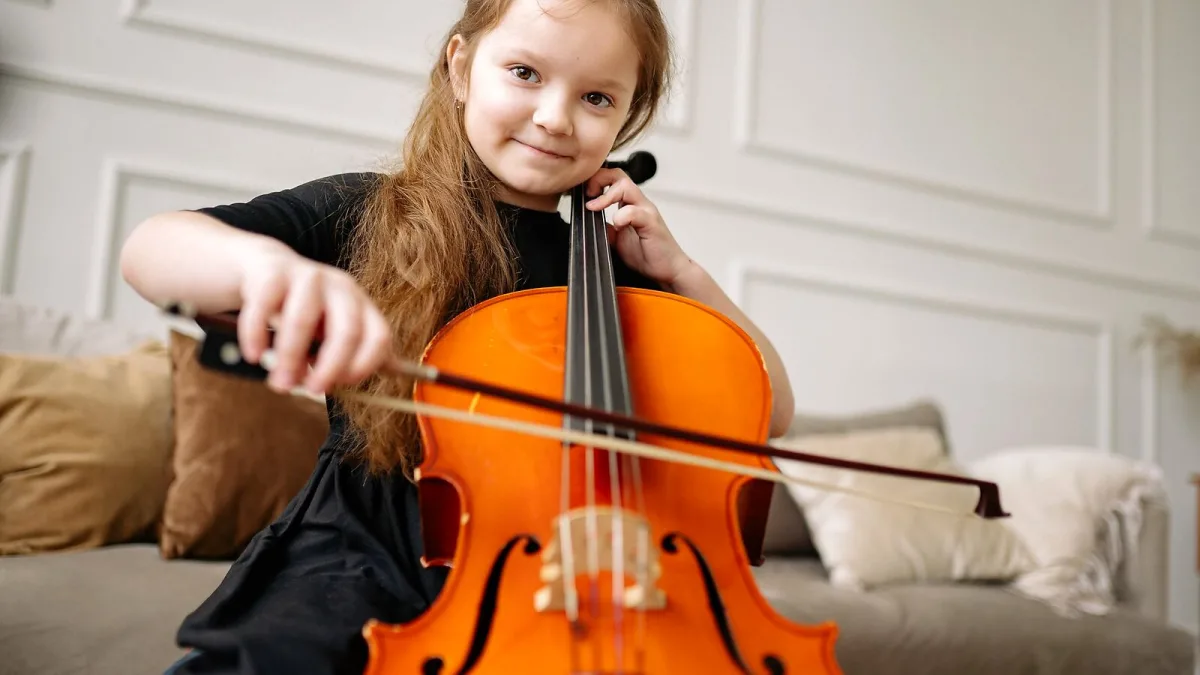
Starting to learn the violin is one of those musical commitments that sounds straightforward and quickly turns out not to be. The instrument demands more in the first few months than almost any other, and the choice of where to start — with whom, on what instrument — shapes whether that commitment leads somewhere or quietly dissolves. For a beginner choosing a Stentor violin, the decision is at least a sound one: the question is making the most of it.
Why a Stentor Violin Is a Sensible Starting Point
Stentor has been making student string instruments since 1895. Its reputation is built not on making concert violins but on making instruments that are set up correctly, stay in tune and reward practice — which is exactly what a beginner needs. The Student II in particular, with its solid spruce top, gives a new player a tonal response that supports learning: an instrument that rewards good bow contact rather than making it hard to hear the difference between good and poor technique.
This matters more than it might appear. A poorly made instrument with poor intonation or a difficult string action makes learning harder at every step. A Stentor violin removes those obstacles and lets the player focus on the actual challenge of learning.
Getting Started: What You Need Before Your First Lesson
Before the first lesson, a beginner with a Stentor violin needs a few things in order:
- The right size: Violin size is not optional — it must match the player's arm length. This is something a teacher or a specialist music shop can determine. For a child, this typically means anything from 1/4 to full size depending on age and build; most adults play a full 4/4 instrument.
- A working setup: Stentor outfits are set up to be playable, but a brief check from a specialist shop — particularly the bridge height and string action — is worthwhile, especially for lower-tier instruments.
- Rosin on the bow: The bow that comes with a Stentor outfit needs rosining before it will produce sound. Draw the hair of the bow across the rosin cake several times before first use. Without rosin, the bow will slide silently across the strings.
- A tuner: The violin must be in tune for any practice to be meaningful. A clip-on chromatic tuner, a tuning app or a digital chromatic tuner is essential. Standard violin tuning is G, D, A, E (lowest to highest).
The First Weeks: What to Expect
Violin playing has a steep early curve. For the first several weeks, producing a clean, clear sound is genuinely difficult. The right-hand bow technique — the angle, pressure, speed and contact point on the string — takes time to develop, and until it does, the sound will be scratchy. This is normal. It is not a sign of failure or of a poor instrument. Every violin player goes through it.
Posture and bow hold are the most important things to establish correctly at the start. Both are worth having a teacher correct in person; habits established in the first weeks are difficult to undo later. If learning with a teacher is not immediately possible, reputable online resources and video tutorials can provide guidance, but in-person feedback is meaningfully better.
Caring for Your Instrument
A Stentor violin is a real instrument and deserves the care that entails. A few basic habits protect it:
- Loosen the bow hair after each practice session. Leaving the bow tightened causes the stick to warp.
- Wipe rosin dust from under the strings and from the top of the instrument after playing, using a soft dry cloth. Rosin accumulates and becomes difficult to remove if left.
- Keep the instrument away from temperature extremes and direct heat. Central heating and hot cars are both potentially damaging to the wood.
- Store the instrument in its case when not in use, particularly in households with young children or pets.
When to Move Up
There is no fixed rule for when to move from a Stentor Student II to a better instrument, but the general guide is: when the teacher suggests it, or when the player's developing technique reveals limitations in the current instrument's tonal range. For most students, this happens somewhere around Grade 3–4, though it varies considerably by how intensively the student is playing and progressing.
Within the Stentor range, the Graduate and Conservatoire models offer natural stepping stones. For players working into the upper grades, the Conservatoire in particular offers a meaningful improvement without requiring a move to specialist violin market pricing.
For a full overview of how the models compare and what distinguishes them, see the ultimate guide to Stentor violins. For value-focused recommendations at each stage, the best for the money guide covers the options. And for a structured buying decision, the buyer's guide walks through every choice.





Comments