


Metronome App article
Metronome App for Beginners: A Complete Guide
The click from a metronome app is a reference, not a test. Here's how to start using one properly — what to do, what the numbers mean, and how to build from there.

Most people's first encounter with a metronome app involves setting a BPM, pressing play and then immediately playing slightly behind or in front of it. That's normal. It doesn't mean you have bad timing — it means you haven't learned to listen and play at the same time yet. That's a learnable skill, and this guide is about how to start.
What You're Actually Trying to Do
The click from a metronome app isn't a test you pass or fail. It's a reference point. Your job is to place your notes right on it — not just near it, but with it, so the click and the note feel like the same moment. When that starts to happen naturally, your timing improves, and playing with other musicians gets much easier.
The app just generates a steady pulse. Everything else — listening, adjusting, locking in — is on you. The app can't make you play in time. But it can make your inconsistencies very obvious, which is the whole point.
Getting the App Running
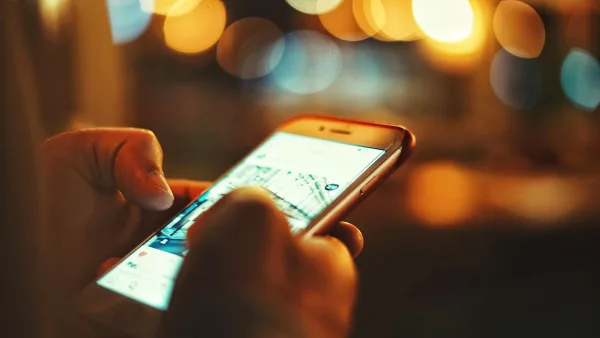
Download any free metronome app. There are several good ones: Soundbrenner, Metronome Beats and GuitarTuna all have free tiers that cover everything you need to start. You don't need to spend anything yet.
Open the app. Find the BPM setting. Set it somewhere between 60 and 80. Press play. You should hear a regular click — one per beat — with a slightly stronger click at the start of each bar (that's the downbeat accent, and it helps you keep track of where you are in the bar). That's the basic setup. Now you're ready to use it.
Your First Practice Session with a Metronome App
Don't start with something you're trying to learn. Start with something you already know. Pick a piece you can play without thinking too hard, and just try to play along with the click at a slow tempo — 60 or 70 BPM. Notice where you drift. The click will expose whether you rush certain passages or drag the end of a phrase. That information is useful, not discouraging.
After a few minutes, you'll start to feel the click rather than consciously reacting to it. That's the sensation you're after.
Setting the Right Tempo
The most important rule for beginners: set the BPM slower than you think you need to. Much slower. If you can play the passage perfectly at 80 BPM and it's supposed to be at 120, start at 70. Get to a speed where you can play it without any mistakes, then gradually move up. Practising slowly with good timing builds the muscle memory that eventually makes the faster tempos possible.
Rushing — playing at a tempo you can't actually control — builds bad habits. The click will tell you this immediately: you'll keep landing slightly ahead of it or making errors as the speed gets away from you. When that happens, slow down.
What the Numbers Mean
BPM stands for beats per minute. At 60 BPM, one beat happens every second. At 120 BPM, two beats per second. Most pop and rock songs fall somewhere in the 80–140 BPM range, with slower ballads around 60–75 and fast punk or metal often above 180. The number itself is just a reference — what matters is whether the tempo suits what you're practising.
Most apps display the time signature too — usually 4/4, meaning four beats per bar. The strong click at the start of each group of four is beat one. If you lose track of where you are, wait for that strong click and start again from there.
Useful Things to Try Early On
Once you're comfortable with a basic click, a couple of simple exercises are worth trying:
- Clap with the click before playing. Just clap every beat for a minute at a comfortable tempo. This sounds too simple to matter. It isn't. You're training your body to feel the pulse before adding the complexity of playing.
- Count out loud while you play. "One, two, three, four" in time with the click while also playing. It forces you to hold two streams at once and builds rhythmic awareness faster than playing alone.
- Try tap tempo. If the app has a tap tempo button, tap along with a piece of music you know until the BPM matches. It's a good way to understand how BPM relates to songs you already like, and gives you a target tempo for practising repertoire.
When the Click Feels Wrong
Sometimes the click seems to be in the wrong place — you feel like you're right, but the click says otherwise. Usually, you're not right. The click is consistent; your playing isn't. But there are a couple of legitimate technical issues to know about. Bluetooth headphones introduce a small audio delay, which makes the click feel late. If that seems to be happening, switch to wired headphones or the phone speaker. Also check that other apps or notifications aren't interrupting the timing — close background apps if the click feels erratic.
How Often to Use It
Every practice session, at least for part of it. You don't need to practise everything with a metronome — free play and improvisation without a click have their place. But every serious musician spends time working with a steady reference. Five or ten minutes of focused work with a metronome app at the start of each session is worth more than an hour of casual noodling in terms of timing development.
When you're ready to go further, the metronome app explainer covers the full range of types and features. For choosing an app with more advanced features, the buyer's guide breaks it down. And if you want to avoid the patterns that slow progress, see the guide to common mistakes.
Just Start
The click will feel awkward at first. Everyone says that, and it's true. But it stops feeling awkward quite quickly if you practise with it regularly. A free metronome app on your phone, five minutes a day and a willingness to slow down when you're struggling — that's genuinely enough to start building something real.



Comments