


Metronome App article
Metronome App Explained: Features, Types and Tips
A metronome app generates a steady pulse at your chosen tempo — but the types range from simple click generators to full practice systems. Here's what you need to know.
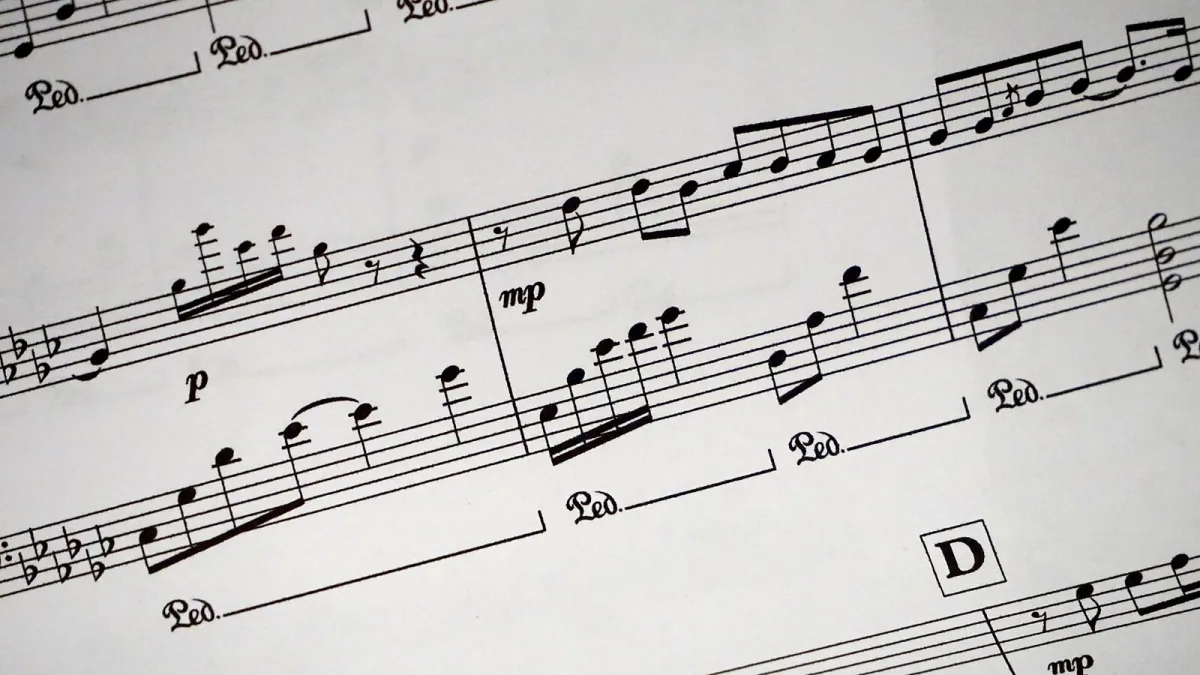
A metronome app is one of those tools that sounds basic on the surface but turns out to go surprisingly deep once you start actually using it. At the core, every such app does the same thing: generates a steady pulse at a chosen speed, measured in beats per minute. But what separates a simple click generator from a proper practice tool is the layer of features built around that pulse — and understanding what's available helps you choose the right one and use it properly.
What a Metronome App Actually Does
The app generates an audio click (or visual flash, or vibration) at regular intervals. The speed is set in BPM — beats per minute. At 60 BPM, one beat happens every second. At 120 BPM, two beats per second. The musician's job is to play in time with that pulse. Simple enough in principle; genuinely tricky in practice, especially at tempos that expose small timing errors.
The reason a metronome is such a useful practice tool isn't that it makes you go faster. It's that it makes inconsistencies visible. If your rhythm is solid, the click feels natural. If you're rushing a particular passage or dragging the end of a phrase, you hear it immediately. That honest feedback is the whole point.
Types of Metronome App
The market divides into several distinct categories, and knowing which one you need saves a lot of time scrolling through app stores.
Basic Click Apps
A simple BPM slider, a start/stop button and an audible click. These are free, reliable and perfectly sufficient for most practice situations. If you just need a steady pulse while you practise scales or work through a song, a basic app does the job without any faff.
Visual Metronome Apps
These add flashing lights, a pendulum animation or colour-changing beats. The visual component can be useful for musicians who find the click hard to hear over their instrument, or who want an additional timing reference they can see rather than hear. Some apps let you use the visual signal alone, making it possible to practise in quiet environments without headphones.
Haptic Metronome Apps
Haptic metronomes transmit the beat as vibration — either through the phone or through a connected wearable. Soundbrenner makes both a phone app and a wearable pulse device designed to work together. Haptic feedback is particularly useful for drummers (who often can't hear a click over their kit without proper in-ear monitors), for practising in public without sound, or for musicians with hearing difficulties.
Advanced Practice Apps
This is where the app becomes a full practice system. Features in this category include:
- Speed trainer — automatically increases the BPM by a set increment when you've played through a passage a certain number of times
- Gap or mute training — alternates between audible and silent bars, so you have to maintain the pulse internally
- Custom accents — lets you emphasise specific beats or create accent patterns for odd time signatures
- Subdivision control — independent clicks for eighth notes, triplets, sixteenth notes or more complex patterns
- Polyrhythm support — useful for working on cross-rhythmic patterns or practising with multiple layers
- Progress tracking and timers — logs practice sessions, tracks tempo improvements over time
Rehearsal and Setlist Apps
Designed for live performance and ensemble use. These let you program a whole set of songs with different tempos and time signatures, chain sections (intro, verse, chorus) and cue them up in order. Particularly useful for bands, theatre pit orchestras and anyone running to a click on stage.
Key Features to Understand
Tap Tempo
Tap tempo lets you set the BPM by tapping the screen in time with a piece of music. The app calculates the average. This is much faster than dialling in an exact number when you're trying to match an existing track or call out a tempo for a band.
Time Signature and Accents
A standard 4/4 metronome clicks four times per bar. Changing the time signature to 3/4 gives you three clicks. Adding a strong accent on beat one (as most apps allow) makes it much easier to hear the start of each bar, which helps with phrasing and structure.
Audio Latency
One technical limitation worth knowing: Bluetooth headphones introduce audio latency — a small delay between the signal sent and the sound heard. That delay is inconsistent and can be as much as 50–200 milliseconds on some devices, which is enough to make a metronome feel late. For serious timing work, wired headphones or the device speaker give a more direct signal.
How to Get the Most Out of a Metronome App
The most common mistake is setting the tempo too high. Start at a speed where you can play the passage accurately and comfortably. Then move up in small steps — 2–5 BPM at a time — only when the slower tempo feels fully controlled. Speed is a result of precise slow practice, not the other way round.
Gap training deserves a special mention. When the clicks go silent for two or four bars, you have to keep playing at the same tempo internally and land back on the beat when the click returns. It's genuinely revealing — and genuinely useful for developing the kind of internal clock that doesn't fall apart the moment a band member speeds up or slows down.
Which App to Use
For straightforward practice, a free basic app works fine. Soundbrenner's app and Metronome Beats (Android) both offer extensive features including subdivision control, accent customisation and practice tracking. Yamaha's official offering includes independent subdivision-volume control, which is useful for building more complex rhythmic awareness. For beginners, any simple free app is the right starting point — add features as you need them.
For the details on choosing one, see the buyer's guide. Just getting started? The beginner's guide walks through everything from scratch. And for the traps that catch most players, the guide to common metronome mistakes is worth a read too.
The Bottom Line
A metronome app ranges from a simple click to a full practice management system. Understanding the different types — basic click, visual, haptic, advanced trainer, rehearsal — means you can pick the right tool rather than the most feature-heavy one. The goal isn't complexity. It's steady time.




Comments