


Math Rock roundup
The Best Math Rock Artists to Know
Slint's tension, Don Caballero's precision, American Football's crossover appeal: here are the artists who actually built this genre.
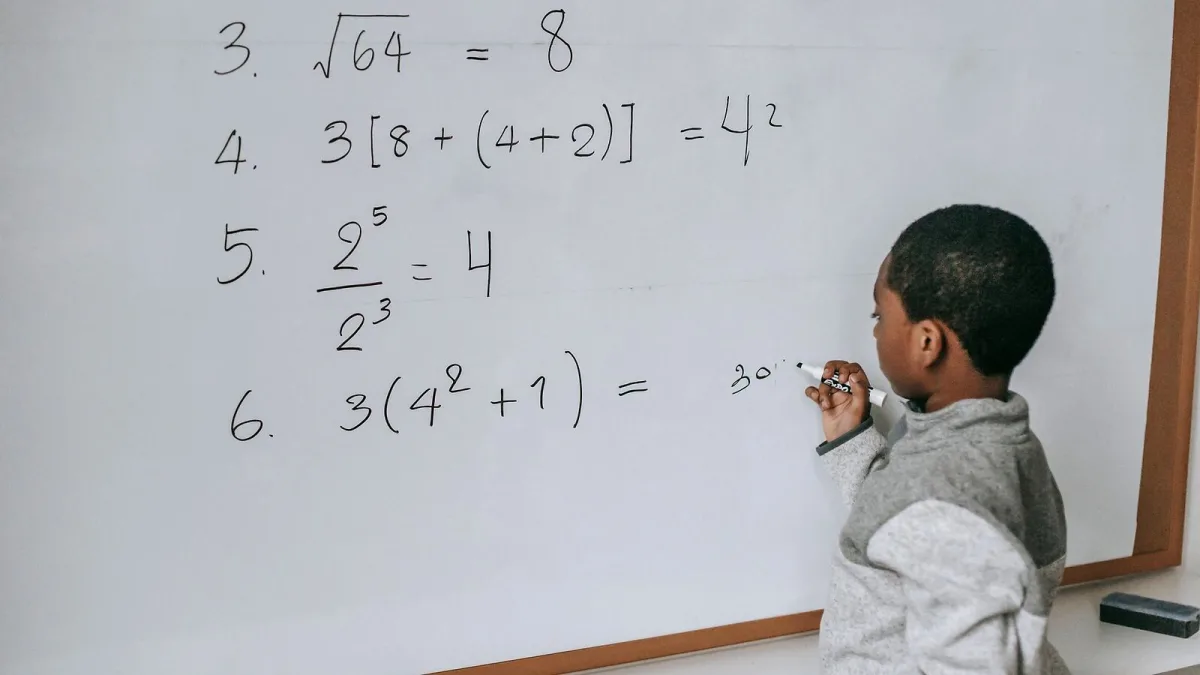
Forget the theory for a second. If you want to actually understand math rock, the fastest route is through the bands themselves — the ones who built the sound, bent it in different directions, and proved there was never just one way to do this. Here's who you need to know.
Slint
Louisville's Slint didn't set out to found a genre, but Spiderland (1991) ended up doing exactly that. Tense, quiet, then suddenly not — their dynamic control and asymmetrical song structures became a reference point that stretches well past math rock into post-rock and indie songwriting more broadly. If you only listen to one foundational record, most people would point you here first.
Don Caballero
Pittsburgh's Don Caballero are the genre's technical benchmark. Entirely instrumental, built on intricate guitar-and-drum interplay, syncopation and a level of precision that still sounds demanding decades later. Their approach to treating drums as a genuine lead voice, not just a backing pulse, shaped how countless bands afterward thought about writing for the rhythm section.
Tortoise
Chicago's Tortoise never sat neatly inside any one box, and that's rather the point. They fused post-rock, minimalism, jazz and electronic textures with a rhythmic intelligence that overlaps heavily with what its guitar-driven peers were doing next door. Their presence on any list like this is a reminder of just how porous these genre lines really are.
Hella
A two-piece out of Sacramento, Hella built a reputation on sheer intensity — guitar and drums pushed to extremes of speed and density that few duos have matched since. If Don Caballero is precision, Hella is precision under pressure, and their records reward listeners who enjoy being genuinely tested.
Battles
Battles took the genre somewhere else entirely: electronic, loop-based, studio-built. Their music proves interlocking rhythm doesn't have to sound raw or lo-fi to work — it can be meticulously produced and still carry all the same rhythmic tension that defines the rest of this list.
American Football
American Football's self-titled 1999 album is the genre's great crossover moment. Intricate clean-guitar writing meets genuinely emotional, vocal-led songwriting, and the record helped define what later became known as Midwest emo. It's worth being precise here: American Football sit at the intersection of two scenes rather than being a straightforward math rock band, but their instrumental DNA is unmistakably part of this story.
toe
Japan's toe brought a different sensibility again — detailed, melodic guitar writing and genuinely sophisticated drumming, more spacious and less confrontational than a lot of the genre's American originators. Their international following is proof the sound travelled well beyond its underground American roots.
Worth Knowing About Too
A few more names round out the picture, each sitting a little further from the genre's core without being any less relevant to it:
- Tera Melos — another Sacramento band, pushing the same rhythmic instincts into noise, improvisation and unconventional effects rather than pure precision.
- June of 44 — part of the wider post-hardcore and instrumental-rock network that math rock grew up alongside, trading ideas across overlapping scenes.
- At the Drive-In — not a straightforward fit, but their angular, rhythmically unstable post-hardcore is frequently discussed in the same breath.
- Minus the Bear — picked up related guitar techniques and rhythmic ideas while mostly staying within conventional meters, proving you don't need odd time signatures to sound like you belong on this list.
None of these four would necessarily call themselves part of the genre first and foremost, and that's fine. Scenes borrow from each other constantly, and the interesting bands are usually the ones sitting somewhere near the edge of a label rather than dead centre of it.
Where to Actually Start
If a list like this feels overwhelming, don't try to work through it in order. Pick whichever description above sounds most like something you'd enjoy, and follow that one thread first. Fans of tension and dynamics tend to gravitate towards Slint; anyone who wants pure technical spectacle usually ends up with Don Caballero or Hella; and if intricate guitar writing paired with genuine emotional weight sounds more like your thing, American Football is the obvious doorway in.
A Note on Boundaries
None of these acts sound alike, and that's not an accident. Math rock was never a strict formula, so the artists who get filed under it often disagree, in practice, about what actually unites them. Treat this list as a map of a scene rather than a checklist — the connections between these bands matter more than any single rulebook ever could.
The Bottom Line
Start with Slint for the tension, Don Caballero for the precision, and American Football if you want the emotional crossover point. For the fuller story of how these artists connect, our history of math rock traces the timeline properly, and our essential albums guide digs into the specific records worth owning. New to all this? Our beginner's guide explains the basics first.




Comments