


Garage Rock roundup
The Best Garage Rock Songs Right Now
The greatest garage rock songs hit hard in the first ten seconds and don't outstay their welcome. Here are the defining tracks, from the original 1960s classics to the 2000s revival anthems.
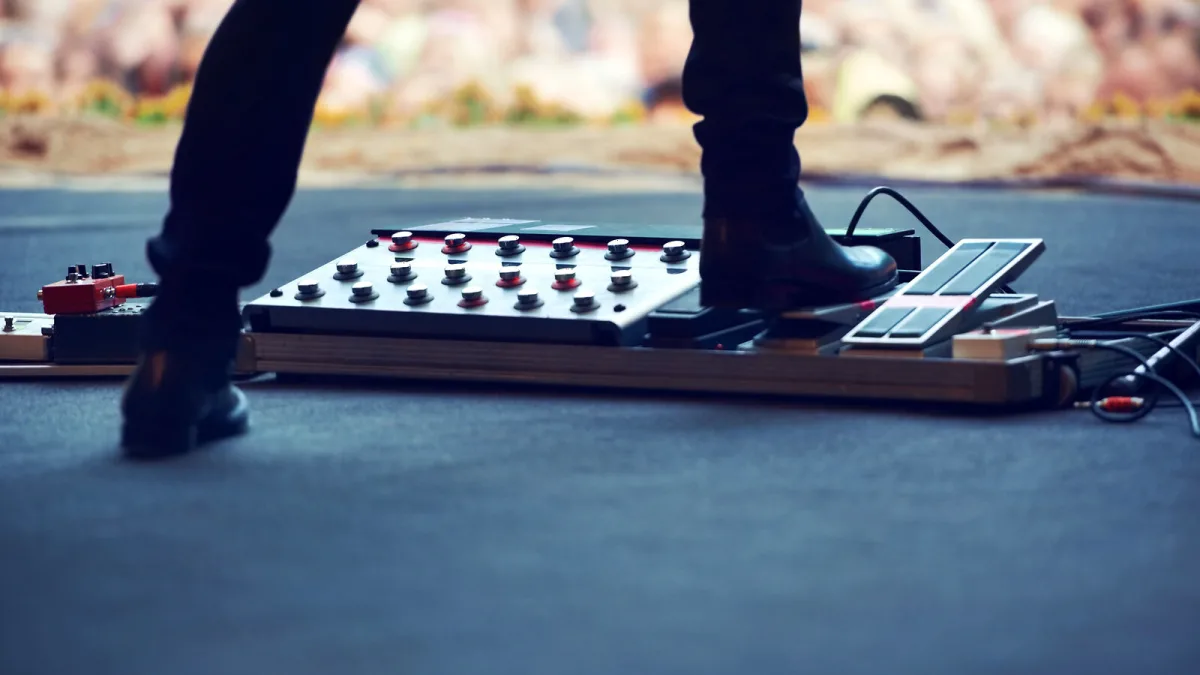
The greatest garage rock songs share a handful of qualities: they hit hard within the first ten seconds, they don't outstay their welcome, and they leave you wanting to hear them again immediately. No filler, no wasted motion. Garage rock respects the listener's time — though it has very little respect for anything else. Here are the tracks that define what the genre does at its very best, drawn from across six decades of the form.
The 1960s Originals: Where It Started
Before anything else, you need to hear the tracks that built this genre. They're scratchier than you might expect, rougher around the edges, and all the better for it.
"Louie Louie" — The Kingsmen (1963)
The original artefact of the genre, and arguably still the most famous. The Kingsmen's version of Richard Berry's R&B standard is so sloppy it was investigated by the FBI for obscene content (the bureau gave up, unable to make out the lyrics). That very sloppiness is the point — the yelping, barely in-tune energy of "Louie Louie" captured something that more polished acts couldn't touch.
"Have Love Will Travel" — The Sonics (1965)
Gerry Roslie screams the opening line and the song is already halfway done before your brain catches up. The Sonics were playing with an energy in 1965 that most bands didn't reach until 1977. This track demonstrates why they remain the definitive 1960s garage band. For a broader look at their career, the key artists guide covers them in full.
"Psychotic Reaction" — Count Five (1966)
A US top-five hit in 1966, "Psychotic Reaction" is a masterclass in the garage format: a stuttering, fuzz-drenched riff, a whining harmonica break, and a vocal that sounds like it's barely under control. Count Five were a San Jose five-piece who made one album and disappeared. This track is the reason anyone still remembers them.
"I Wanna Be Your Dog" — The Stooges (1969)
The Stooges took garage rock somewhere darker and more confrontational than anyone had gone before. "I Wanna Be Your Dog" is built around a single, hypnotic guitar riff that doesn't change for the full three and a half minutes. Iggy Pop's delivery is somewhere between a croon and a threat. It's one of rock music's great slow burns.
Proto-Punk Monuments
"Kick Out the Jams" — MC5 (1969)
Recorded live at Detroit's Grande Ballroom, "Kick Out the Jams" is the genre transformed into a political act. MC5's energy was raw and furious, the guitars were loud, and Rob Tyner's exhortations to the crowd had the fervour of a preacher. The studio version exists but is largely irrelevant — this song only truly exists as a live recording. The full album context is covered in the essential albums guide.
The 2000s Revival Essentials
The early 2000s produced a cluster of garage rock songs that matched the original recordings for energy and impact, and surpassed them for production clarity. These garage rock tracks reignited the mainstream.
"Last Nite" — The Strokes (2001)
Built on a guitar riff borrowed loosely from Tom Petty's "American Girl" (Petty himself said he didn't mind), "Last Nite" is two minutes and 45 seconds of perfect garage pop. Julian Casablancas's vocals — deliberately treated to sound phone-booth small — are instantly recognisable. It's the track that announced to the world that guitar music had a future worth paying attention to.
"Seven Nation Army" — The White Stripes (2003)
The opening riff of "Seven Nation Army" is one of the most recognisable in 21st-century music, now echoing around football stadiums worldwide. Played on a guitar fed through an octave pedal (which drops the pitch to approximate a bass), it's a masterpiece of minimalist construction. Meg White's drumming — deliberately simple and bone-dry — is absolutely right for the track.
"Hate to Say I Told You So" — The Hives (2000)
The Hives' calling card: a locked-in motorik riff, Howlin' Pelle Almqvist's theatrical swagger, and a chorus that lodges in the skull on first listen. It's deliberately absurd and absolutely serious at the same time, which is the Hives' particular genius.
"Date with the Night" — Yeah Yeah Yeahs (2003)
Karen O arrives screaming and Nick Zinner's guitar sounds like it's being played through a blender. "Date with the Night" is 90 seconds of barely controlled mania from the Yeah Yeah Yeahs' debut album Fever to Tell. It's the most punk-adjacent track on this list, and one of the most thrilling songs of the decade.
The Bottom Line
These tracks are a starting point, not a complete picture. The garage rock catalogue is enormous and rewards deep digging. Once you've worked through this list, explore the genre's many subgenres in the subgenres guide, and for the full historical context, the history of the genre is your guide. New songs in this style are being recorded right now — by bands in Newport and Glasgow and Detroit who've heard these tracks and decided, quite reasonably, that this is exactly the kind of music they want to make.




Comments