


Garage Rock article
Essential Garage Rock Albums Explained
Garage rock's character is best understood through its landmark albums. Here are the essential records — from ferocious 1960s originals to the albums that reignited the genre in the 2000s.
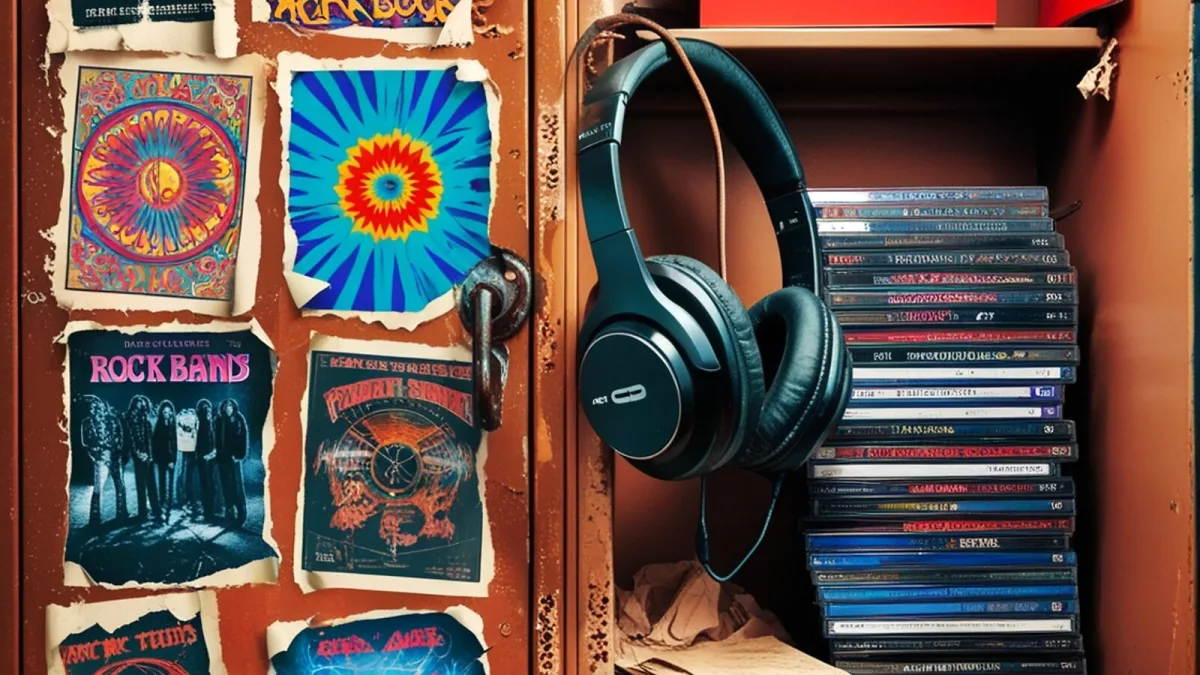
A genre's character is best understood through its essential records. Garage rock has produced an unlikely range of landmark albums — from scratchy 1960s singles collections to meticulous 21st-century productions that look like refinement but sound like raw nerve. These are the albums that define what the genre is, was, and can be, with each one illuminating a different facet of the form.
Here Are The Sonics — The Sonics (1965)
The starting point for any serious garage rock collection. Recorded in Tacoma, Washington and released on Etiquette Records, Here Are The Sonics sounds like it was captured during a controlled explosion. Vocalist Gerry Roslie delivers "Have Love Will Travel", "Psycho", and the title track with a controlled ferocity that most rock vocalists have spent their careers trying to replicate.
What's remarkable is how fully formed it sounds. There's no fumbling for a style here — the Sonics arrived knowing exactly what they wanted to do, and did it with a conviction that hasn't diminished in the decades since. If you own one album from this era, this should be it. For context on where it came from, the genre's history is essential reading.
The Stooges — The Stooges (1969)
John Cale produced this debut, and his minimalist sensibility is stamped across every track. The Stooges stripped rock back to its most primal elements: Ron Asheton's droning, hypnotic guitar riffs, Dave Alexander's locked-in bass, Scott Asheton's metronomic drumming, and Iggy Pop's extraordinary vocal performance. "I Wanna Be Your Dog" is one of rock's great opening gambits — a riff that feels inevitable from its first note.
The album wasn't a commercial success on release, but its influence is incalculable. Everyone from the Ramones to David Bowie (who later produced the Stooges' Raw Power) acknowledged it as a formative text.
Fun House — The Stooges (1970)
If the debut is contained, Fun House is chaos given structure. Produced by Don Gallucci and recorded largely live in the studio, it incorporates free jazz saxophone from Steve Mackay into the distorted guitars to extraordinary effect. "TV Eye" and "Loose" are the centrepieces: grinding, relentless, and physically demanding in a way that most rock records aren't.
Fun House bombed on release and contributed to the band's dissolution. It is now listed among the greatest rock albums ever made by numerous publications, a familiar story for records that were simply too far ahead to register at the time.
Kick Out the Jams — MC5 (1969)
Recorded live at the Grande Ballroom in Detroit across two nights in October 1968, Kick Out the Jams is one of rock's most electrifying live documents. MC5 performed with a political urgency that was specific to the moment — Detroit in 1968, a city and a country in crisis — but the music transcends its context.
Rob Tyner's stage patter ("Brothers and sisters, I wanna see a sea of hands out there...") has been endlessly quoted, and the band's combination of free jazz influences, R&B energy, and raw rock power remains genuinely exciting. The opening track's uncensored title was briefly replaced on the commercially released version — a small piece of censorship history baked into the album's story.
Nuggets: Original Artyfacts from the First Psychedelic Era (1972)
Strictly speaking, Nuggets is a compilation rather than an album by a single artist, but its importance to garage rock's history is unique. Assembled by music writer Lenny Kaye, it collected 27 obscure singles from the mid-1960s American underground and gave the genre its name. Tracks by Count Five, the Standells, the Seeds, and ? and the Mysterians appear alongside lesser-known acts, creating a portrait of an era that had been largely forgotten.
The original 1972 double album was later expanded to a four-CD box set in 1998 by Rhino Records, one of the definitive archival releases in rock history. It remains the essential document for understanding where garage rock came from.
Is This It — The Strokes (2001)
The 2000s revival produced many good records. Is This It produced something rarer — a record that felt genuinely necessary. The Strokes' debut distilled Television's angular interplay, Tom Petty's pop instincts, and the Velvet Underground's cool into eleven immaculate songs, all of them built on interlocking guitars and Julian Casablancas's half-whispered vocals.
"Last Nite", "Someday", "Hard to Explain" — each track sounds like a classic from its opening note. The album was released in the UK before the US and became a phenomenon almost immediately. It remains the Strokes' best record and one of the finest garage rock albums of the 21st century. For a look at who made this music, the essential artists guide covers the key names. For the tracks themselves, the best songs guide is your reference.
White Blood Cells — The White Stripes (2001)
Released the same year as Is This It, White Blood Cells is a very different kind of garage record. Where the Strokes were immaculate, the White Stripes were wilfully rough: Jack White's guitar playing draws on delta blues and punk equally, and the album's 16 tracks rush by in under 35 minutes with a raw, urgent energy.
"Hotel Yorba" and "Fell in Love with a Girl" are the singles, but the album's best moments are its quieter ones — "We're Going to Be Friends", a gentle acoustic track that became one of the band's best-loved songs. Elephant (2003) is arguably their peak, but White Blood Cells is where the wider world first caught up with them.
Veni Vidi Vicious — The Hives (2000)
Sweden's finest export in the 2000s garage rock revival, Veni Vidi Vicious is 28 minutes of tight, fast, furiously enjoyable punk-inflected rock. "Hate to Say I Told You So" is the centrepiece: a motorik riff, Howlin' Pelle Almqvist's theatrical vocal, and a chorus that lodges in the brain on first listen and refuses to leave.
The Hives dressed identically, adopted ironic pseudonyms, and took themselves with a theatrical seriousness that was clearly a performance — and that self-awareness made their music more fun, not less. For a broader view of the genre, A Beginner's Guide to Garage Rock puts these albums in their wider context. The different branches of the genre are explored in the subgenres guide.





Comments