


Garage Rock roundup
The Best Garage Rock Artists to Know
Garage rock has always been made by outsiders who ended up defining everything. These are the artists you need to know — from the 1960s originators to the 2000s revivalists.
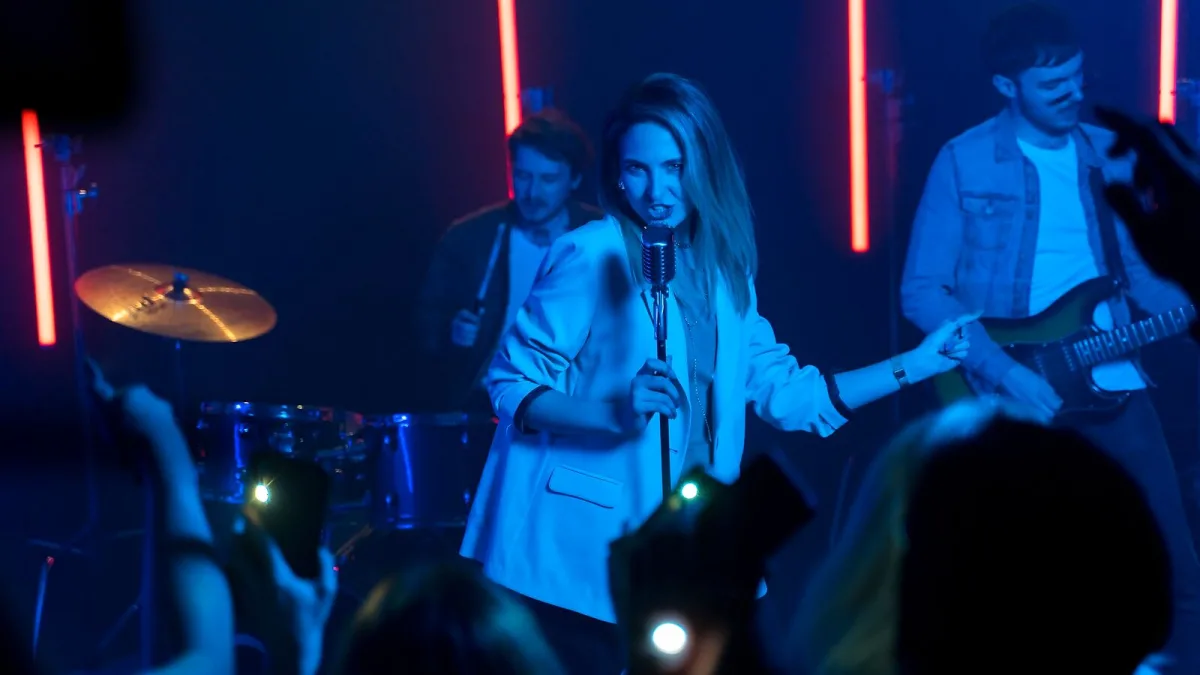
Garage rock has always been a genre of outsiders who, against all expectation, ended up defining the mainstream. The artists below aren't simply the most famous names — they're the ones who shaped what garage rock sounds like, what it means, and why it keeps coming back. Whether you're building a playlist or working your way through the back catalogue, these are the essential garage rock artists to know.
The Sonics: The Blueprint
Start here. The Sonics formed in Tacoma, Washington in 1960 and recorded two studio albums — Here Are The Sonics (1965) and Boom (1966) — that remain among the most ferocious rock records of the decade. Vocalist and pianist Gerry Roslie screamed rather than sang, guitarist Larry Parypa played with controlled savagery, and the rhythm section hammered away with an urgency that most bands of the era couldn't match.
Their track "Have Love Will Travel" (1965) is a masterclass in what the genre can be: three minutes of barely contained mayhem. The band broke up in 1968, reformed decades later, and continue to release records. Their influence is vast and not always acknowledged.
The Stooges: Taking It to the Edge
Iggy Pop and the Stooges took the raw energy of the 1960s and pushed it somewhere confrontational and genuinely unsettling. Their 1969 self-titled debut introduced a sound built on John Cale's minimalist production and Ron Asheton's fuzz-driven guitar, with Iggy Pop out front as one of rock's great performers.
Fun House (1970) went further still — a live, ferocious recording that incorporated free jazz saxophone into the distorted guitars. It bombed commercially and is now considered a masterpiece. The Stooges are the single most important bridge between 1960s garage rock and 1970s punk, influencing virtually every band that came after them. For the full timeline, the genre's history puts their contribution in context.
MC5: Punk Before Punk
Where the Stooges were confrontational, MC5 were openly political. The Detroit five-piece combined the genre's raw energy with a radical political outlook rooted in the White Panther movement and the turbulent politics of late 1960s America. Their 1969 live album Kick Out the Jams remains one of the most electrifying documents of rock's confrontational possibilities.
Back in the USA (1970), produced by Jon Landau, pulled back toward straight rock and roll and is in some ways the more accessible entry point. MC5 broke up in 1972, their commercial potential never fully realised. Their critical reputation has risen steadily ever since.
The White Stripes: Revival Leaders
Detroit's Jack White and Meg White formed in 1997 and spent several years building a following before breaking internationally in 2001. Their stripped-back format — guitar, drums, no bass — was part statement of intent, part practical necessity, and wholly effective. White Blood Cells (2001) and Elephant (2003) are two of the best rock albums of the 2000s.
Jack White's playing draws on delta blues, punk, and 1960s garage rock in roughly equal measure. The band's visual identity — the red, white, and black palette, the mysterious sibling-or-couple backstory — gave them a mythic quality that most garage rock acts lack. They split in 2011; Jack White has remained one of rock's most important figures since.
The Strokes: The New York Revival
Is This It arrived in 2001 as though it had been beamed from somewhere else entirely. The Strokes — five young New Yorkers who looked like they'd walked off a film set — had distilled Television, the Velvet Underground, and Tom Petty into something that felt simultaneously classic and completely new. Julian Casablancas's half-whispered vocals, treated to sound as if they were coming through a telephone receiver, were like nothing on mainstream radio.
Subsequent albums were more divisive, but nothing diminishes the importance of that debut. The Strokes remain one of the definitive acts of the 2000s revival. For a breakdown of their landmark record, see the essential albums guide.
The Hives: Bringing the Theatre
Swedish five-piece the Hives arrived on the international scene with Veni Vidi Vicious in 2000, dressed identically in black and white, projecting a theatrical self-confidence that was equal parts absurd and compelling. Their garage punk is fast, tight, and built around Howlin' Pelle Almqvist's showman's instincts.
"Hate to Say I Told You So" (2001) is one of the great singles in the genre — two minutes and 54 seconds of motorik urgency. The band remain active and continue to release records with the same unironic conviction they brought to their debut.
Yeah Yeah Yeahs: A Different Angle
New York's Yeah Yeah Yeahs brought a different energy to the 2000s revival — singer Karen O's charismatic stage presence, guitarist Nick Zinner's angular playing, and drummer Brian Chase's metronomic precision created something post-punk as much as garage. Their 2003 debut Fever to Tell produced "Maps", a ballad that demonstrated the band's emotional range beyond the abrasive singles.
For the essential songs from these and other artists, the best songs guide is your reference. And if you're just getting started, A Beginner's Guide to Garage Rock covers the essentials in one place.
Also Worth Your Time
Beyond the headline names, several other artists deserve space in any serious garage rock collection:
- The Black Keys — Akron, Ohio duo who combined delta blues with raw, distorted grit, achieving mainstream success with Brothers (2010).
- Count Five — 1960s San Jose band best known for "Psychotic Reaction", a top-five US hit in 1966.
- The Vines — Australian revivalists whose 2002 debut Highly Evolved mixed Cobain-esque grunge with 1960s melody.
- Jon Spencer Blues Explosion — New York trio who updated the garage blues template throughout the 1990s with genuine wit and noise.





Comments