


Garage Rock article
Garage Rock Subgenres, Explained
Garage rock isn't a single sound — it's a family of related subgenres, each offering different pleasures. Here's the complete guide to every branch of the genre.
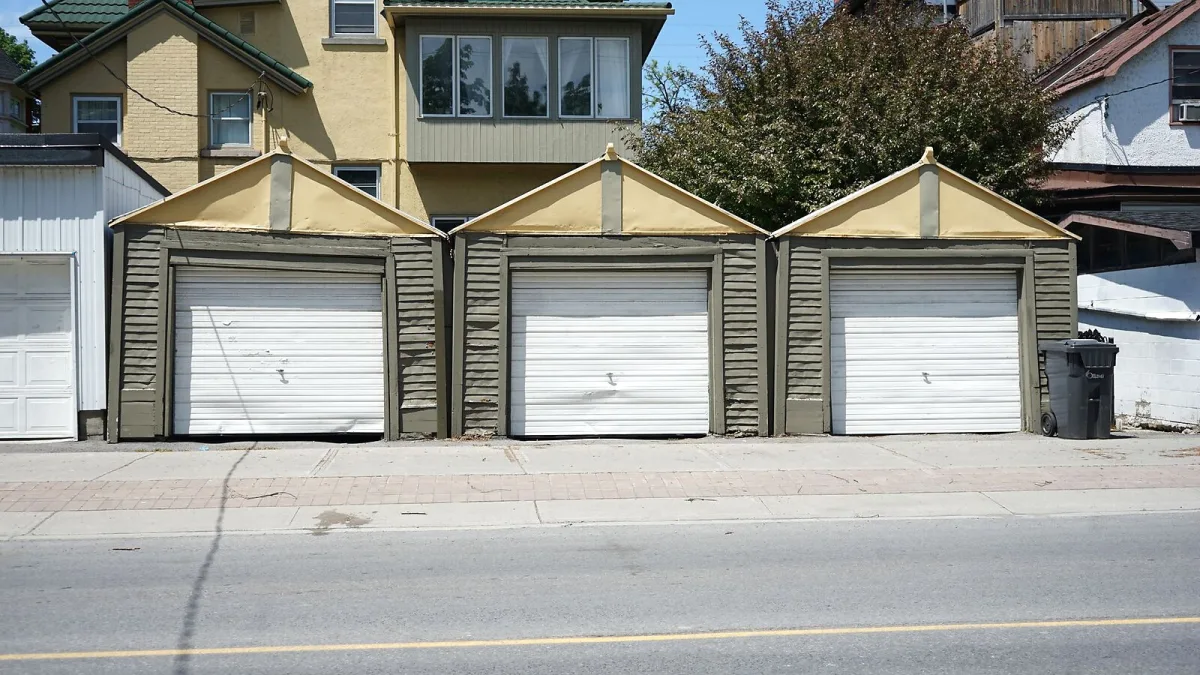
Garage rock isn't a single sound. It's more like a family of related sounds — all sharing the same DNA of raw energy, distorted guitars, and a healthy disregard for polish — that have split and evolved in different directions over sixty years. Getting to know the subgenres is one of the pleasures of going deeper into the genre: each one opens a new world. Here's the breakdown.
Proto-Punk
What it is: The hardest, most confrontational end of late-1960s and early-1970s raw rock, which pointed directly toward punk. Proto-punk took the raw energy of the Sonics and Count Five and added political charge, volume, and genuine aggression.
Key acts: The Stooges, MC5, the New York Dolls, and the Modern Lovers. The Stooges' Fun House (1970) and MC5's Kick Out the Jams (1969) are the definitive documents. Jonathan Richman and the Modern Lovers contributed a sweeter, more melodic variation that influenced power pop as much as punk.
Characteristics: Extended structures, higher volume, politically charged lyrics, and an embrace of confrontation as a performance strategy. The Stooges in particular treated rock as a provocation. See the history of the era for a full account of this era.
Psychedelic Garage
What it is: The intersection of the genre's raw energy and the psychedelic experimentation that swept American and British rock in the mid-to-late 1960s. Where straight-ahead garage rock keeps things direct, psychedelic garage incorporates organ, more complex song structures, and lysergic imagery.
Key acts: The 13th Floor Elevators (Austin, Texas), The Seeds (Los Angeles), and The Electric Prunes. The 13th Floor Elevators, led by Roky Erickson, are often cited as the first psychedelic rock band — their 1966 debut merged garage intensity with acid-influenced vision in a way that was genuinely new.
Characteristics: Organ drones, reverb-drenched production, druggy or cosmic imagery in the lyrics, and song structures that stretch beyond the three-minute garage template. The fuzz guitar remains, but it sits in a stranger, more spacious context.
Fuzz Rock
What it is: A tonal subgenre rather than a distinct movement — fuzz rock describes garage-descended music defined primarily by its use of the fuzz pedal (a signal-clipping effects unit) as a central instrument. The sound is buzzing, saturated, and deliberately abrasive.
Key acts: The Sonics, Mudhoney, The Black Keys in their earlier records, and contemporary acts like Ty Segall and Osees (formerly Oh Sees). Mudhoney's 1988 single "Touch Me I'm Sick" is a landmark: a direct line from 1965 Tacoma to late-1980s Seattle, predating grunge's mainstream breakthrough.
Characteristics: Thick, buzzing guitar tones, lo-fi production, a preference for excess and noise over clean tone. The fuzz pedal — available from a few pounds second-hand — democratises the sound; you don't need a vintage amp to get there.
Garage Punk
What it is: The fusion of the genre and punk rock's speed and aggression. Garage punk tends to be faster than its 1960s predecessors, angrier in its delivery, and shorter in its song structures. It's the most kinetic subgenre in the family.
Key acts: The Hives, The Mummies, The Gories, and — depending on your definition — The Ramones (whose debt to the 1960s originals is substantial). The Hives are the most commercially successful garage punk act of the modern era; The Mummies, who performed in bandages and refused to tune their instruments, are the cult favourite.
Characteristics: Two minutes or less is a virtue, not a constraint. The songs are tight, fast, and make their point immediately. Guitar solos are largely absent. Attitude is everything. The Hives' entire career is an argument for this subgenre's continuing vitality.
Neo-Garage (The 2000s Revival)
What it is: The early-2000s movement that brought garage rock back to mainstream attention, producing some of the most celebrated garage rock records of the century. Neo-garage took the 1960s blueprint, filtered it through decades of punk and indie rock, and produced a cluster of bands whose work remains among the most important guitar music of the 21st century.
Key acts: The Strokes, The White Stripes, The Hives, Yeah Yeah Yeahs, The Vines, The Black Keys, and The Libertines (in the UK). The movement peaked roughly between 2001 and 2004 and generated an unusual amount of critical consensus around a shared aesthetic. For the essential records, see the essential albums guide.
Characteristics: Cleaner production than the 1960s originals (though still deliberately raw by mainstream standards), more sophisticated song structures, and an awareness of rock history that earlier garage bands didn't necessarily have. The Strokes knew the Velvet Underground; The White Stripes knew the Delta blues. That knowledge shows.
Lo-Fi Indie Garage
What it is: A more recent development, rooted in bedroom recording and the aesthetic of deliberate low-fidelity. Lo-fi indie garage treats the limitations of cheap recording equipment as an asset — the tape hiss, the room noise, the slightly out-of-tune guitar are features, not bugs.
Key acts: Ty Segall (San Francisco), Osees, Wavves, and Mac DeMarco. Ty Segall in particular has been one of the most prolific figures in this space, releasing multiple albums per year across various project names and exploring different corners of the garage, psych, and glam rock territory.
Characteristics: Home-recorded or deliberately lo-fi production, quick turnaround, and a DIY ethic that connects directly back to those 1960s teenagers in their parents' garage. In the age of home recording software, the means to make music in this style have never been more democratically available.
Finding Your Corner
The beauty of these subgenres is that they offer genuinely different pleasures. If you want confrontation and volume, start with proto-punk and the Stooges. If you want psychedelic strangeness, the 13th Floor Elevators await. If you want the pleasure of a perfectly formed two-minute song, the Hives have your back. And if you want raw, contemporary energy, Ty Segall releases records faster than most people can keep up.
For the essential artists across all these subgenres, the essential artists guide covers the key names. For the songs that best represent each style, the defining tracks is your starting point. And if you want a broad overview of the genre before diving into its subgenres, A Beginner's Guide to Garage Rock covers all the fundamentals.





Comments