


Synth Pop article
The History of Synth Pop
From German motorway rhythms to Britain's electronic gold rush — here's the actual timeline behind synth-pop, told at festival pace.
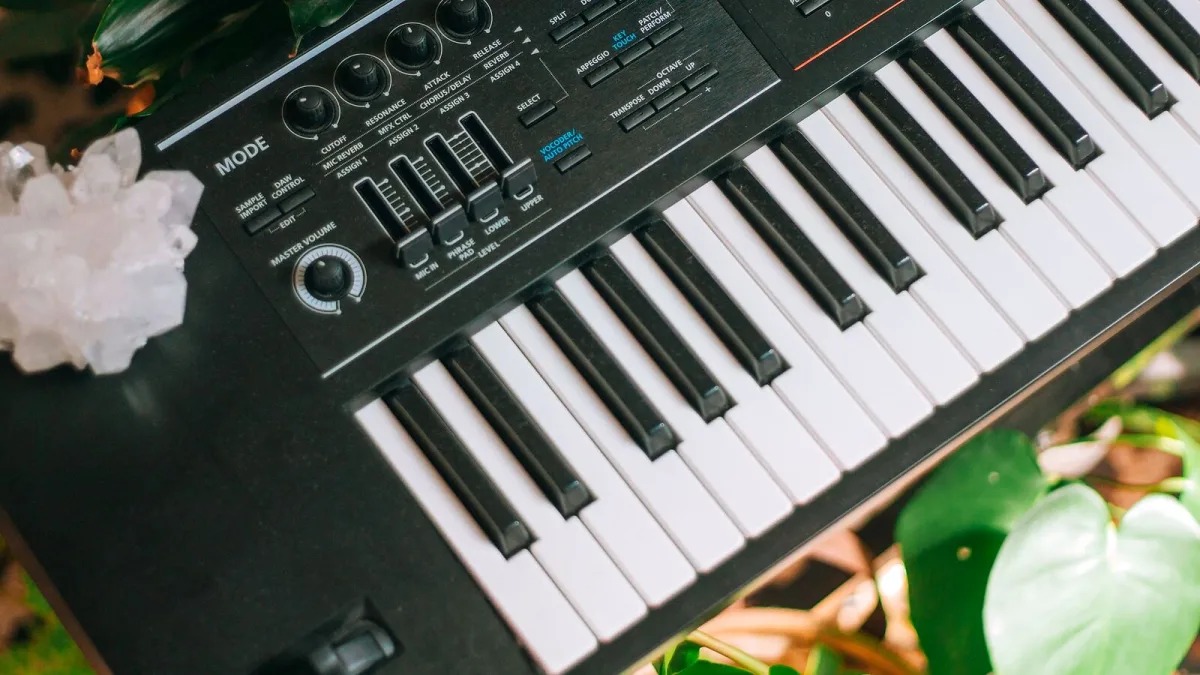
Some genres arrive with a bang. Synth-pop crept in through art-rock studios, German motorway rhythms and a Kubrick soundtrack before exploding across British charts. Here's the actual timeline, festival-brain style — quick, colourful and hopefully more fun than a textbook.
Before Synth-Pop: The Machines That Made It Possible
Long before anyone said "synth-pop" out loud, the ingredients were already brewing. Kraftwerk were building repetitive, sequenced, deliberately machine-like music in Germany. Giorgio Moroder was proving synthesizers could drive an actual dancefloor with sequenced disco basslines. Wendy Carlos was showing off just how expressive a synthesizer could be, not least on the soundtrack to A Clockwork Orange. Meanwhile in Japan, Yellow Magic Orchestra were fusing electronic technology with proper pop structure, and back in Britain, Roxy Music and David Bowie were folding synthesizers into art-rock without losing a shred of star power.
Post-Punk Kicks the Door Open
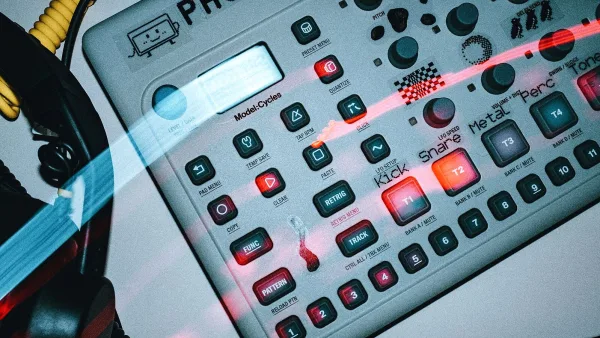
None of this stayed niche for long, because post-punk musicians were actively hunting for new sound worlds — and synthesizers were finally getting cheap enough to buy. Suddenly you didn't need a guitarist, a bassist and a drummer to make a record; you needed a synth, a drum machine, and a decent idea. That shift is genuinely the hinge point of the whole story. Bands built songs from sequenced patterns, electronic bass parts and drum-machine rhythms, with vocals placed over relatively sparse, futuristic backing.
1979 to 1984: Britain's Electronic Gold Rush
This is the era people actually mean when they say "synth-pop." Gary Numan kicked things off with a stark, alienated sound. The Human League brought minimalism into the singles charts. Orchestral Manoeuvres in the Dark paired electronic experimentation with proper melody. Ultravox and Visage went for high drama, Soft Cell and Yazoo put emotionally direct vocals over electronic rhythm, and Depeche Mode started out minimal before pushing towards something darker and considerably more elaborate. Independent labels mattered enormously here — Mute Records, founded by Daniel Miller, gave a home to Depeche Mode and plenty of the era's electronic underground.
Going Global, Getting Warmer
By the early 80s the sound was travelling and softening at the same time. Duran Duran took synth-led pop and made it warmer, more danceable and thoroughly international. Eurythmics folded in soul and stark pop contrast. New Order carried post-punk energy straight onto the dancefloor. Pet Shop Boys turned programmed production into something sharp and knowing. a-ha brought polished, melodic songwriting to a global audience. None of these acts sound remotely alike, which is exactly why this period is so interesting — everyone was pointing the same tools in wildly different directions. Curious who else belongs on that list? Our guide to the genre's best artists rounds them all up properly.
The Sound Cools Off
By around 1984, the first great commercial wave had started to fade. That didn't mean synthesizers disappeared — quite the opposite. Their techniques had already been absorbed into mainstream pop production so thoroughly that the sound stopped being a novelty and just became part of how pop records were made.
Echoes Ever Since
You can trace a direct line from this era to electropop, futurepop and the deliberately retro sound of synthwave, even though none of those are quite the same thing as the original. If you want to hear where the story actually leads, sonically, our guide to the genre's essential albums and breakdown of its subgenres both pick up exactly where this history leaves off.


Comments