


Synth Pop article
Essential Synth Pop Albums Explained
The records that actually built synth-pop, explained from the bass up — what's happening underneath the hooks on each one.
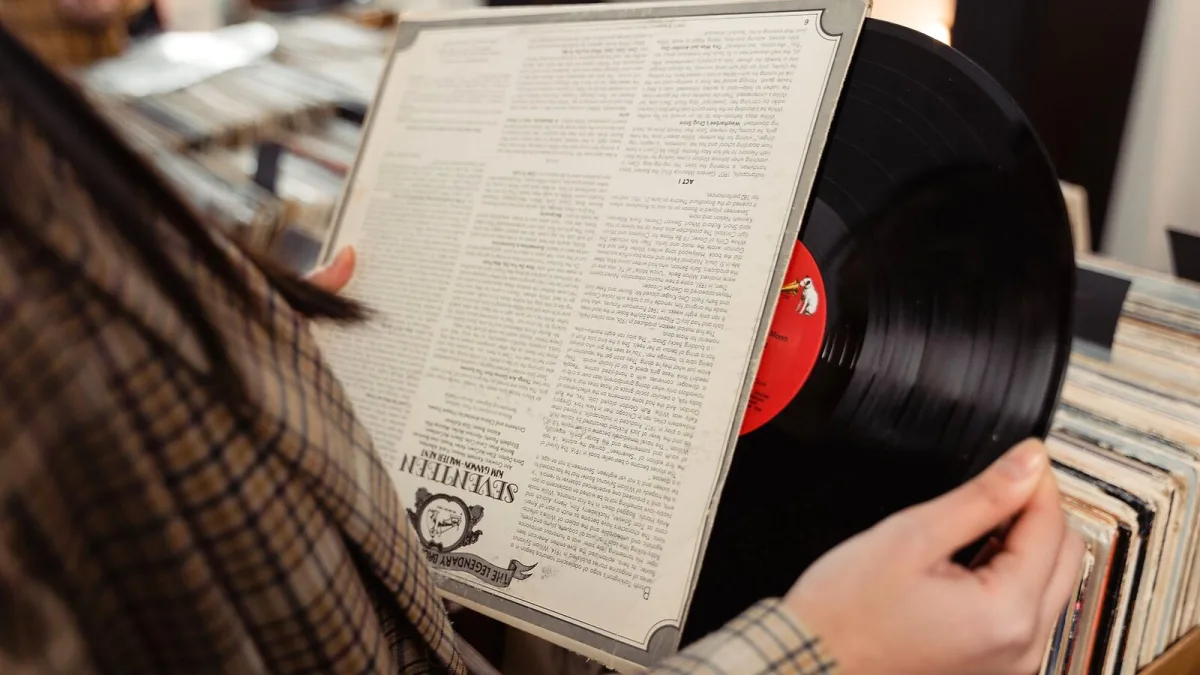
I come to most genres through the low end, and synth-pop rewards that approach more than most — those sequenced basslines are doing serious structural work, not just filling space. Here are the records that actually built this sound, and what's happening underneath the hooks.
Gary Numan — The Pleasure Principle
This is the blueprint for synth-pop at its coldest and most alienated. No guitars, stark synth lines, and a bass part that's more felt than heard — low, sequenced, and doing exactly enough to keep the track moving without ever showing off. It's a masterclass in restraint that still sounds genuinely unsettling decades later.
The Human League — Dare
Where minimalism meets the singles chart. The arrangements are sparse by design, which means every bass and drum-machine hit carries real weight — there's nowhere for a weak part to hide. It proved electronic pop could be both severe and enormously catchy in the same three minutes.
Orchestral Manoeuvres in the Dark — Architecture & Morality
A more melodic, atmospheric take on the same electronic toolkit. The low end here is gentler than Numan's — more textural pad than punchy sequence — which lets the record breathe in a way a lot of its contemporaries don't bother to.
Soft Cell — Non-Stop Erotic Cabaret
Sparse, cold rhythm sections holding up genuinely raw, confessional vocals. The bass and drum machine here aren't decoration — they're the entire emotional engine of the record, which is a big part of why it still lands as hard as it does.
Depeche Mode — Speak & Spell to Violator
Track this band's evolution and you're tracking how synth-pop itself evolved, in miniature. Early on, everything is minimal and bright; by the time you reach the band's more mature material, the low end has grown darker, denser and considerably more sophisticated. It's the best single argument for listening to an artist's catalogue in order rather than jumping straight to the singles.
Duran Duran — Rio
Where the genre gets warm and properly danceable. The basslines are more melodic and prominent here than on the starker early records, sitting right up front in the mix rather than lurking underneath — a deliberate choice that makes the whole thing feel built for the dancefloor rather than the art gallery.
New Order — Power, Corruption & Lies
Post-punk energy meets sequenced bass meets actual dancefloor ambition. This is the record where you can hear the bassline doing the job a guitar riff normally would — driving the track, not just supporting it. Essential listening if you want to understand where synth-pop and dance music properly start overlapping.
Pet Shop Boys — Please
Programmed production at its sharpest and most economical. Nothing here is wasted, including the low end, which is precise, controlled and never once fights the vocal for space. It's a genuinely instructive record if you're interested in restraint as a production tool.
Quick Reference
| Album | Artist | Why it matters |
|---|---|---|
| The Pleasure Principle | Gary Numan | The genre's cold, alienated blueprint |
| Dare | The Human League | Minimalism meets the singles chart |
| Architecture & Morality | OMD | Melodic, atmospheric electronic pop |
| Non-Stop Erotic Cabaret | Soft Cell | Raw vocals over cold rhythm |
| Rio | Duran Duran | Warm, danceable, internationally huge |
| Power, Corruption & Lies | New Order | Post-punk meets the dancefloor |
| Please | Pet Shop Boys | Sharp, economical programmed pop |
Start wherever your ear pulls you rather than working through this in strict order. If you'd rather approach the genre song by song, our pick of essential tracks is the natural companion piece, and our guide to the genre's key artists fills in the context behind each name here.



Comments