


Synth Pop article
Synth Pop for Newcomers: Where to Start
Not another forty-artist list — a proper five-stop sequence into synth-pop, plus how to start making the sound yourself if you get the itch.
Right, you're curious about synth-pop and you want an actual starting point into the genre, not another list of forty artists in no particular order. Good — here's a proper sequence, five stops, each one building on the last. I've thrown in a bit about how the sounds are actually made too, because I can't help myself.
Stop One: Gary Numan, "Cars"
Start here because it's the simplest possible version of the whole idea — one cold, descending synth line doing almost all the work. If you can hear why that one line is so effective, you've already got the basic ear for this genre.
Stop Two: The Human League, "Don't You Want Me"
Now add pop songwriting proper — verses, a chorus, real melodic tension between two voices. Notice the bassline is doing a lot of the emotional heavy lifting here, not just holding down the rhythm.
Stop Three: Soft Cell, "Tainted Love"
This one teaches you about space. The arrangement is almost embarrassingly sparse if you listen with headphones, and that's entirely the point — every empty gap makes the vocal hit harder.
Stop Four: Depeche Mode, Early Versus Late
Play "Just Can't Get Enough" and then something from years later, back to back. Same band, wildly different depth and darkness. This is the best single lesson in how far the synth-pop toolkit can actually stretch.
Stop Five: New Order, "Blue Monday"
Finish here because it's where synth-pop stops being just pop and starts properly talking to dance music — the bassline functions almost like a lead guitar riff would in a rock song.
Now, a Bit About How These Sounds Are Actually Made
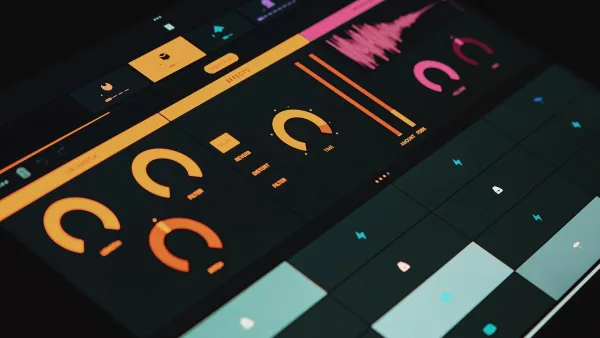
If any of that's got you wanting to make something rather than just listen, the good news is you don't need vintage gear — software synths handle this style perfectly well. Most of the classic sound comes from subtractive synthesis: an oscillator generates a raw waveform, a filter shapes which frequencies get through, and an envelope (attack, decay, sustain, release) controls how the sound changes over time. Add an LFO for a bit of movement or vibrato, and you've basically got the whole toolkit.
- Programme a simple, repetitive drum pattern first — economy is the whole genre's superpower
- Write a synth bassline using a sawtooth or square wave through a low-pass filter
- Add a short chord or arpeggio pattern to fill the middle
- Keep your lead melody simple — one or two oscillators, a touch of detune, done
- Resist the urge to add more layers than the song actually needs
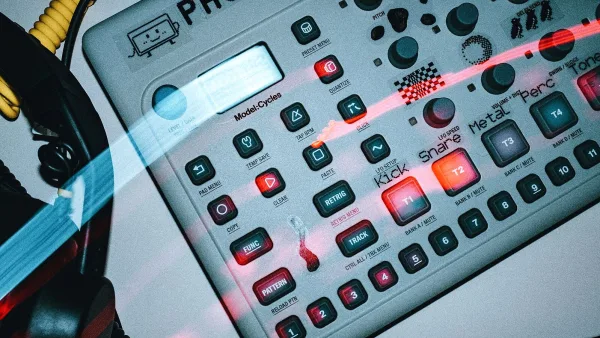
You don't need expensive hardware to try any of this. Most modern DAWs come with at least one synth plugin capable of subtractive synthesis, and that's genuinely enough to get started — the skill that actually matters is arrangement and restraint, not which brand of oscillator you're shaping. Spend an evening just programming a drum pattern and a bassline before you worry about anything more complicated.
That last step is the one people ignore most, and it's the one that matters most. Some of the most enduring synth-pop songs are built from remarkably few moving parts.
Where to Go Next
Once these five tracks feel familiar, our full list of essential songs gives you plenty more to work through, and our essential albums guide is the natural next step once you're ready to hear these artists in full. If you want the bigger picture of what actually defines the genre, our beginner's guide covers that properly.



Comments