


Soca article
Soca for Newcomers: Where to Start
You don't need a music degree or a Trinidad-shaped playlist to fall in love with soca. Here's a genuinely gentle way in, built for someone starting from zero.

You don't need a music degree, a Trinidad-shaped playlist, or any real background in Caribbean Carnival to fall in love with soca. You need about twenty minutes and an open mind. Here's a genuinely gentle way in, built for someone starting from absolute zero.
Start With the Feeling, Not the Theory
The single most useful thing I can tell you: this music was made to be felt in your body before it's understood in your head. It comes from Trinidad and Tobago, it's built for dancing and Carnival celebration rather than quiet listening, and it grew out of the older calypso tradition in the early 1970s. That's genuinely enough theory to be getting on with. Everything else — the history, the subgenres, the full cast of artists — can wait until after you've actually enjoyed some of it.
Your First Six Songs: A Listening Path
Rather than throwing a huge playlist at you, work through this short path in order. Each step teaches your ear something before moving to the next:
- Start with Lord Shorty. He's credited with creating this genre in the early 1970s, and his early recordings show the calypso-and-Indo-Trinidadian fusion at the genre's very root.
- Play a calypso track straight after. Notice how much more it leans on storytelling and wordplay compared to what you just heard — that contrast is the fastest way to understand what makes soca its own thing.
- Find a power track and a groovy track back to back. One will be fast and relentless, built for a Carnival road march; the other slower and more melodic. Hearing them side by side does more than any explanation could.
- Branch out regionally. Try something from Trinidad, then something from Barbados's Crop Over scene. They're not the same sound, and noticing the difference is genuinely satisfying once you catch it.
- Watch a live performance, not just a studio recording. Crowd interaction and arrangement changes are central to this genre, and a lot of what makes it work simply doesn't come across in a static studio mix.
- Go back and really listen to the drums. Once the melody isn't pulling all your attention, you'll start hearing the percussion, the bass and the call-and-response vocals that were doing most of the work all along.
Don't Worry About Getting It "Right"
There's no test at the end of this. You don't need to know who Ras Shorty I was, or what a dhantal is, or the difference between Trinidadian and Vincentian soca, to enjoy a song on first listen. Learning that stuff later just deepens something you already like — it shouldn't be a barrier standing between you and pressing play in the first place. If your curiosity does grow, our beginner's guide and fuller history are both written for exactly this stage.
Where Newcomers Often Get Confused
A few honest heads-ups, from watching plenty of people go through this same process:
- Soca and calypso get mixed up constantly. Remember the shorthand: calypso tells a story, soca gets you dancing. Many artists do both, which doesn't help.
- Not everything Caribbean and upbeat is soca. Dancehall, bouyon and Afrobeats all turn up in the same DJ sets and share some dancefloor DNA without being the same genre.
- "Best of" lists disagree with each other constantly. That's normal for a genre built around live Carnival response rather than charts, not a sign you're missing something.
Our guide to soca subgenres is worth bookmarking for exactly these moments of confusion — it untangles power, groovy, chutney and jab soca properly, once you're ready for that level of detail.
Joining In From Home
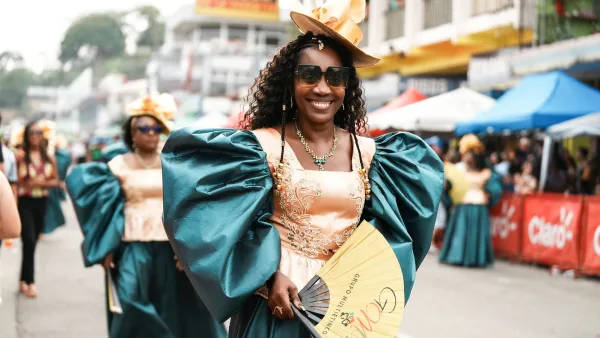
You don't have to fly to Trinidad's Carnival to experience any of this properly. If you're in the UK, London's Notting Hill Carnival leans heavily on soca every year and is well worth attending in person if you can — go early, follow a sound system you like the look of, and let the crowd do the rest. If a trip like that isn't realistic right now, a good live recording or a well-chosen DJ mix gets you a surprising amount of the way there. Put it on properly loud if your neighbours will forgive you, because a lot of what makes this genre work simply doesn't survive being played quietly through a laptop speaker. The point, always, is the shared, physical joy of the thing, not where you happen to be standing when you feel it.
Take it slowly, follow whatever grabs you first, and don't feel obliged to like all of it equally. When you're ready to go deeper, our guide to the best artists and essential tracks are both waiting for you.




Comments