


Soca article
Essential Soca Albums Explained
Ask a soca fan for their favourite album and you'll usually get a favourite song instead. Here's an honest guide to the soca albums that actually matter, and why the format sits differently here.
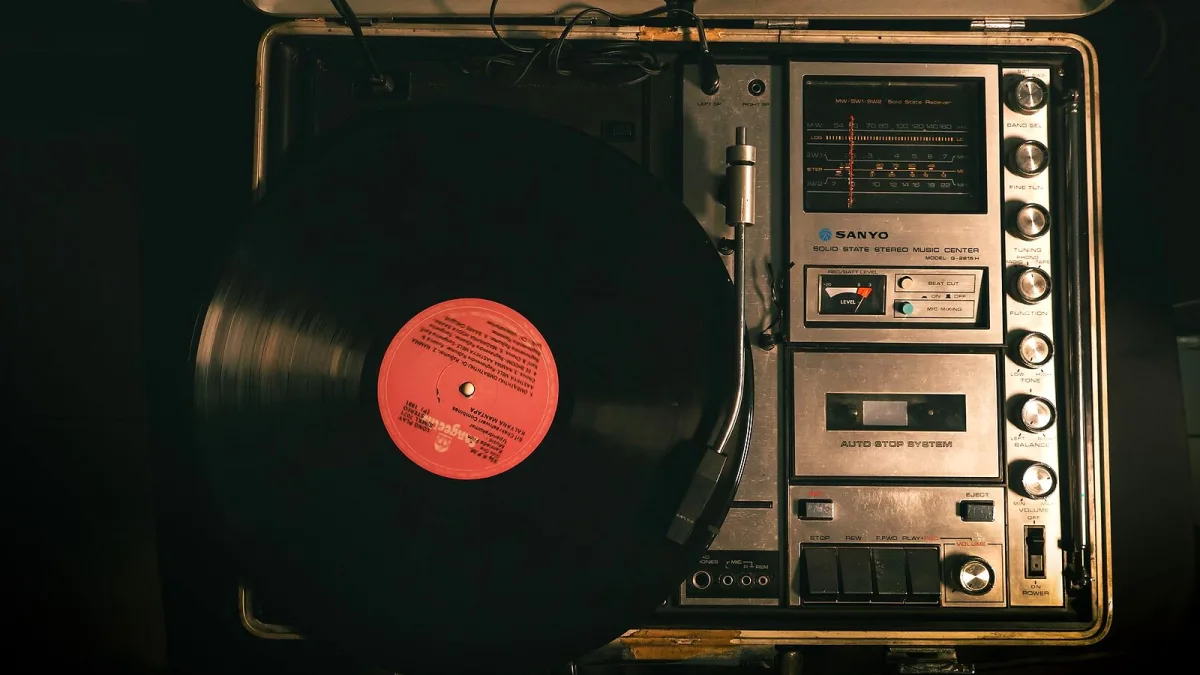
Ask a soca fan for their favourite album and you'll often get a favourite song back instead — and that's not them dodging the question. This genre was never built around the album the way rock or pop was. So here's an honest guide to the soca albums that actually matter, and why the format itself sits a bit differently in this world.
Why Albums Work Differently Here
Trinidad and Tobago's Carnival calendar runs the show. A song drops ahead of the season, gets tested in packed fetes and on the road, and earns its status through crowd response rather than chart placement or album sales. That means plenty of soca's most important recordings were circulated as singles, 45s or Carnival anthems, not as tracks buried on a full-length record. Any honest list of soca albums has to admit that up front, rather than force a rock-and-pop framework onto a genre that never asked for one.
The Foundational Record
If one record earns the title of first true soca album, it's Lord Shorty's Endless Vibrations, released in 1974. Its title track and "Om Shanti" — which wove a Hindu chant into a popular song, a genuinely bold move at the time — are still the reference points for discussing where this sound began. It followed his earlier recordings like "Indrani", made as Trinidad's studio scene grew more sophisticated. Is it the definitive first soca album? Most historical accounts say yes, though the exact chronology of the genre's very earliest recordings isn't perfectly settled. Either way, start here.
The Golden-Age Shelf
The late 1970s produced a run of records that don't get nearly enough credit outside the Caribbean:
| Album | Year | Why it's here |
|---|---|---|
| Maestro – Rampage | 1977 | Built with arrangers Pelham Goddard and Art De Coteau, showing how far studio production had come. |
| Black Stalin – Black Gold | 1978 | Keeps calypso's social conscience alive inside the faster, dance-first format. |
| Superblue – the "Soca Baptist" era | c. 1980 | Proof that one relentless, chant-led hook can define an entire period. |
None of these are polished, over-produced records by today's standards, and that's exactly the point. This is soca finding its own identity in real time. These golden-age soca albums won't show up on many mainstream "best of" lists, but skip them and you're missing the foundation everything after was built on.
Arrow's International Run
By the late 1980s, soca had a genuine international calling card in Arrow, the Montserratian singer behind 1983's "Hot Hot Hot". His albums from that period, Knock Dem Dead (1988) and O'La Soca (1989), captured a scene confident enough to court a global audience without diluting its Carnival core. If you want the fuller story of how that international breakthrough happened, our history of soca covers it properly.
Machel Montano's Catalogue
No single discography tracks soca's modern evolution better than Machel Montano's. He debuted as a teenager with Too Young to Soca? in 1985, followed it with Soca Earthquake (1987) and Dr. Carnival (1988), and kept going for decades — G.O.A.T., released in 2019, is the clearest example of just how far the production and ambition have travelled since those early records. Listening through his catalogue in order is basically a crash course in the genre's last forty years. Our profile of the best soca artists to know puts his career in context alongside his peers.
Modern Compilations Fill the Gap
Contemporary soca still resists the album format, which is exactly why compilations matter so much now. Montano's Soca Universe series, gathering each Carnival season's key tracks from artists including Bunji Garlin, Nailah Blackman, Patrice Roberts and Kes, is the closest thing the current scene has to a definitive "album" — a snapshot of a season rather than one artist's statement. If you're building a starting playlist rather than hunting down full-length soca albums in the traditional sense, this is honestly the more useful place to look.
How to Actually Judge One
Don't come to these records expecting the tight, single-vision arc of a great pop or rock album — that's not the job they're doing. Judge older soca albums on whether the arrangement still holds up, whether the percussion and horns earn their space, and whether you can hear the Carnival crowd in the gaps between the notes. Judge the modern compilations on range: do they capture power soca and groovy soca side by side, and do they introduce you to names beyond the two or three biggest stars of the season? A good one always will.
So: fewer canonical soca albums than you'd find in most genres, but the ones that exist are worth your full attention. Start with Endless Vibrations, work forward through Arrow and Montano, and top it off with a recent Soca Universe edition. Our guide to soca subgenres is a good next stop once you've got a feel for the eras above.





Comments