


Sea Shanty roundup
The Best Sea Shanty Songs Right Now
No trends, no filler — just the sea shanty songs that have earned their place at every singaround for the best part of two centuries.
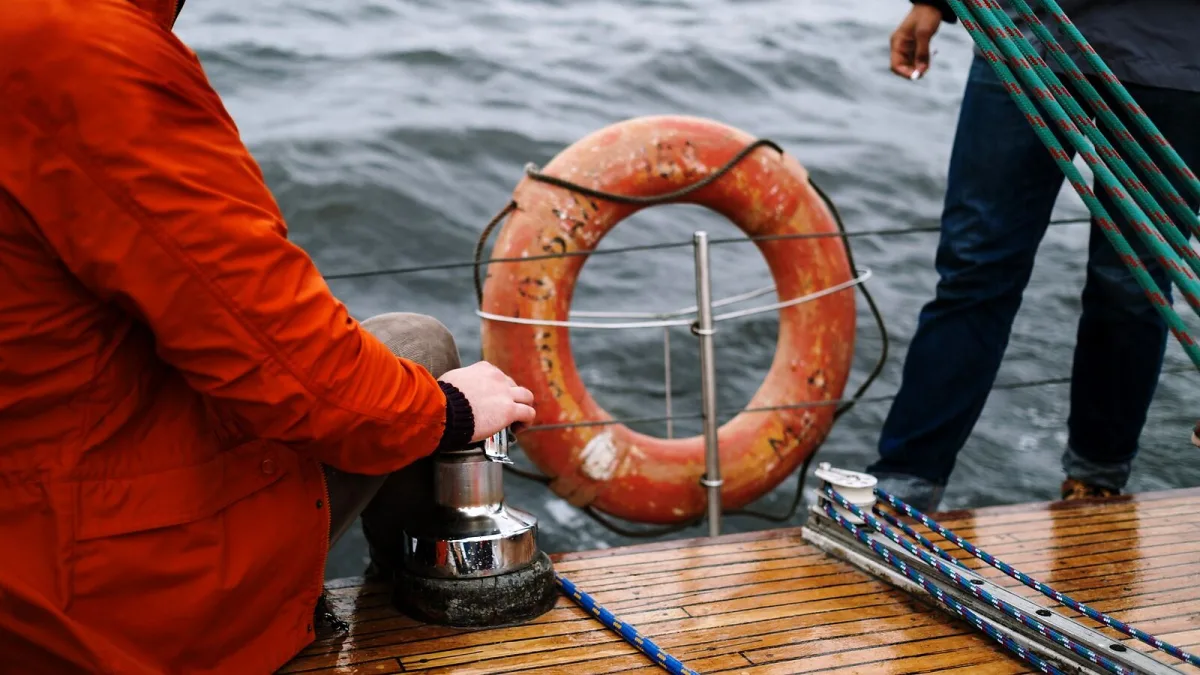
Forget the idea that this list needs updating every few months — the best sea shanty songs aren't chasing a trend, they've just been doing the job properly for the best part of two centuries. These are the tracks that turn up at every folk club singaround, every maritime festival, and yes, every good TikTok clip too. No filler, nothing invented — just the songs that earned their place.
The Essential Line-Up
"Drunken Sailor"
The one nearly everyone already half-knows, even if they've never heard the word "shanty" in their life. It's a stamp-and-go or walkaway shanty, meaning it was traditionally sung while sailors hauled and walked along the deck together — hence the brisk, marching pace that makes it so easy to clap along to.
"Haul Away"
A short-haul shanty, built for jobs that only needed a few sharp, powerful pulls rather than a long slog. The refrain lands hard and fast, which is the whole point: a crew only had time for a couple of words before the next pull was due.
"Hangin' Johnny"
A proper halyard shanty, sung while raising or lowering sails and yards. These songs run longer and slower than a short-haul number, giving the crew a moment to reset their grip between pulls — you can hear that patience built into the melody itself.
"Away, Rio"
A capstan and pumping shanty, meant for the steadiest, most physically punishing work on board: walking in circles around a capstan, or pumping water for hours at a stretch. Slower and more sustained than the others on this list, it rewards patience rather than energy.
"Blow the Man Down"
One of the most widely recorded maritime songs in the wider canon, and a genuine gateway track if you're building a first playlist. It carries the classic call-and-response structure that defines the whole genre, in a tune simple enough to pick up after one listen.
"Pay Me My Money Down"
Performed by the Georgia Sea Island Singers, this is an important reminder that the work-song tradition behind sea shanties owes a real, documented debt to African American and Afro-Caribbean maritime communities. It's a brilliant, driving song in its own right, not just a history lesson.
"Soon May the Wellerman Come"
The one that started the whole 2021 revival, via Nathan Evans's viral TikTok performance and, before that, The Longest Johns' 2018 recording on Between Wind and Water. Worth knowing: it's more accurately a nineteenth-century New Zealand whaling ballad than a strict work shanty, but it's earned its place on any honest list simply by bringing millions of new listeners to the genre.
How These Songs Are Usually Performed Today
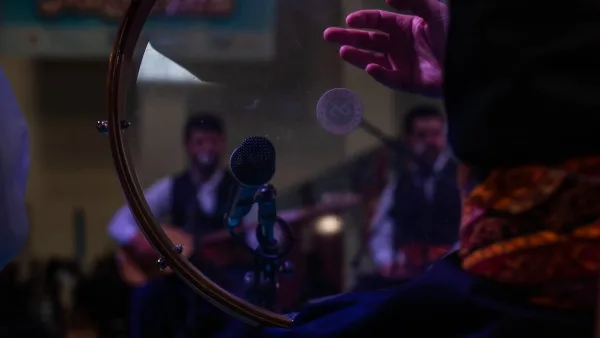
Traditional work shanties were sung unaccompanied — the crew's own voices supplied all the rhythm anyone needed. You'll still hear plenty of these sea shanty songs performed that way in folk clubs and community singarounds, with nothing but a room full of voices keeping time. Modern recordings, by contrast, often add acoustic guitar, concertina, fiddle or a light hand-drum underneath, which can make a track feel more like a produced folk song and less like a work order barked across a deck.
Neither approach is wrong. If you're learning to sing along yourself, though, it's worth trying the unaccompanied version first — it's the quickest way to actually feel why the rhythm sits where it does.
Why These Songs, Specifically
I come from a scene where nobody cares about chart positions, only whether a song actually works live, and that's exactly the test these songs pass. Every track above still does the job it was built for: giving a group of people, who may never have sung together before, an instant shared rhythm. That's a harder trick than it sounds, and it's why these particular songs — rather than the hundreds of others in the wider tradition — keep getting picked, decade after decade.
Building Your Own Shanty Playlist
Start with one from each type above and you'll have covered the genre's full emotional range in under twenty minutes: sharp and punchy, patient and steady, communal and singable. If you want the background on how these categories actually work, our piece on sea shanty subgenres breaks it down properly, and our beginner's guide covers the basics if any of this is new to you.
Want whole records rather than individual tracks? Our rundown of essential sea shanty albums is the natural next stop, and our guide to sea shanty artists introduces the people actually singing them.
None of these sea shanty songs need a trend to justify them. They were doing their job long before any of us were watching a screen, and they'll be doing it long after.




Comments