


Highlife roundup
The Best Highlife Artists to Know
A guided tour of the highlife artists worth knowing, from the genre's first international star to the band that took it global.
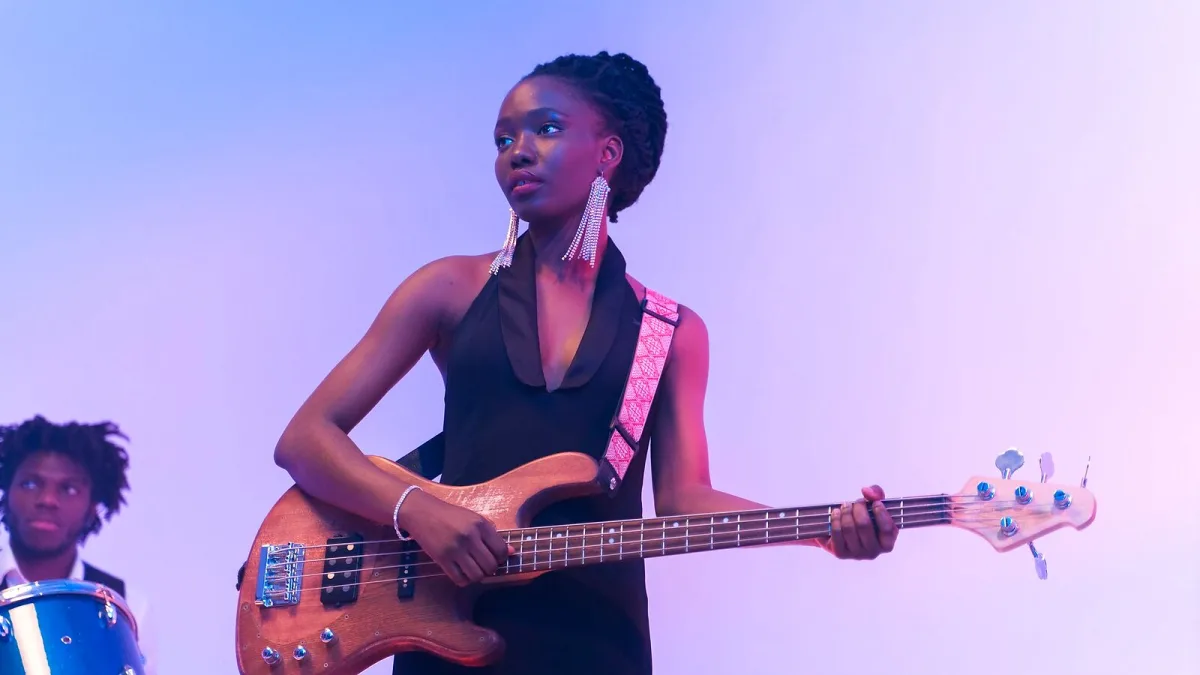
Every genre has its essential names, the artists you need to hear before you can really claim to know the sound. For highlife, that list runs from a horn-led bandleader who carried Ghanaian dance music across a continent to a guitar-slinging British-Ghanaian outfit who took it to the pop charts. Here are the highlife artists worth building a playlist around, and why each one matters.
E. T. Mensah — The Genre's First International Star
Start here. Emmanuel Tetteh Mensah, better known as E. T. Mensah, led the dance band The Tempos through the 1950s and 60s, and is widely regarded as the figure who took highlife from local urban entertainment to something close to a pan-African phenomenon. His arrangements lean on horn-led hooks, swing and jazz influence and sharp call-and-response between the vocals and the brass section — a template later highlife artists would follow for decades afterwards. Our history of highlife covers the context around his rise in more detail.
Jacob Sam and the Kumasi Trio — The Guitar Roots
Before the big bands, there was palm-wine music, and Jacob Sam and the Kumasi Trio are among its most important recorded voices. Their small-combo, guitar-centred sound — built on interlocking parts rather than one dominant melody — represents the older, quieter branch of the tradition, and it's essential listening if you want the full picture rather than just the brassy dance-band side.
Nana Ampadu — The Storyteller
Nana Ampadu built his reputation on narrative songwriting: socially observant lyrics wrapped in guitar-band arrangements, delivered with the storytelling instinct of a griot working in a modern idiom. He's a key reference point for anyone interested in how highlife carried social commentary as much as danceable rhythm.
A. B. Crentsil and Amakye Dede — Keeping It Alive
Two of Ghana's most recognisable later highlife artists, A. B. Crentsil and Amakye Dede, kept the guitar-band sound thriving for new generations, with accessible songs about everyday life, relationships and social behaviour. Their catalogues are a good place to hear how the genre's core ingredients — guitar, brass, call-and-response — kept evolving without losing their identity.
Kojo Antwi — The Internationalist
Kojo Antwi represents a later, more globally minded strand, blending highlife with reggae, soul and pop influences from across the African diaspora. If the earlier names on this list feel firmly rooted in one place, Antwi is a useful reminder of how far the tradition has since travelled.
Osibisa — Highlife Goes Global
Formed by Ghanaian and Caribbean musicians in London, Osibisa took highlife-derived rhythm and folded it into jazz-rock, funk and African percussion for an international audience — broader and more psychedelic than the traditional dance-band sound, but unmistakably built on the same foundations. They're the clearest example of how far this music can stretch while still sounding recognisably like itself.
A Quick Reference
| Artist | Known For | Best Starting Point |
|---|---|---|
| E. T. Mensah & The Tempos | Horn-led dance-band highlife | 1950s–60s recordings |
| Jacob Sam & the Kumasi Trio | Early palm-wine guitar music | Early recorded palm-wine sides |
| Nana Ampadu | Narrative, socially observant songwriting | African Brothers Band recordings |
| A. B. Crentsil | Accessible guitar-band highlife | His well-known solo catalogue |
| Amakye Dede | Modern guitar-led highlife | His extensive solo catalogue |
| Kojo Antwi | Highlife blended with reggae and soul | His crossover-era output |
| Osibisa | Highlife-derived international fusion | Osibisa (1971), Woyaya (1972) |
How to Use This List
Don't try to work through this list of highlife artists in order like homework. Pick whichever name appeals — the horn-heavy sophistication of E. T. Mensah, the intimacy of palm-wine guitar, or the international pop reach of Osibisa — and follow your ear from there. If you want a more structured route in, our newcomer's listening guide lays out a sensible order, and our piece on the genre's different subgenres explains how these artists map onto the palm-wine, dance-band and international-fusion strands.
The Bottom Line
What links these highlife artists, across seventy-odd years and several countries, is a shared instinct for making borrowed instruments say something distinctly West African. Start with any name on this list, and you'll hear a version of that same idea, dressed differently each time.





Comments