


Highlife article
A Beginner's Guide to Highlife
Never heard of highlife before? Here's the friendly, no-pressure introduction to West Africa's great guitar-and-horns tradition.
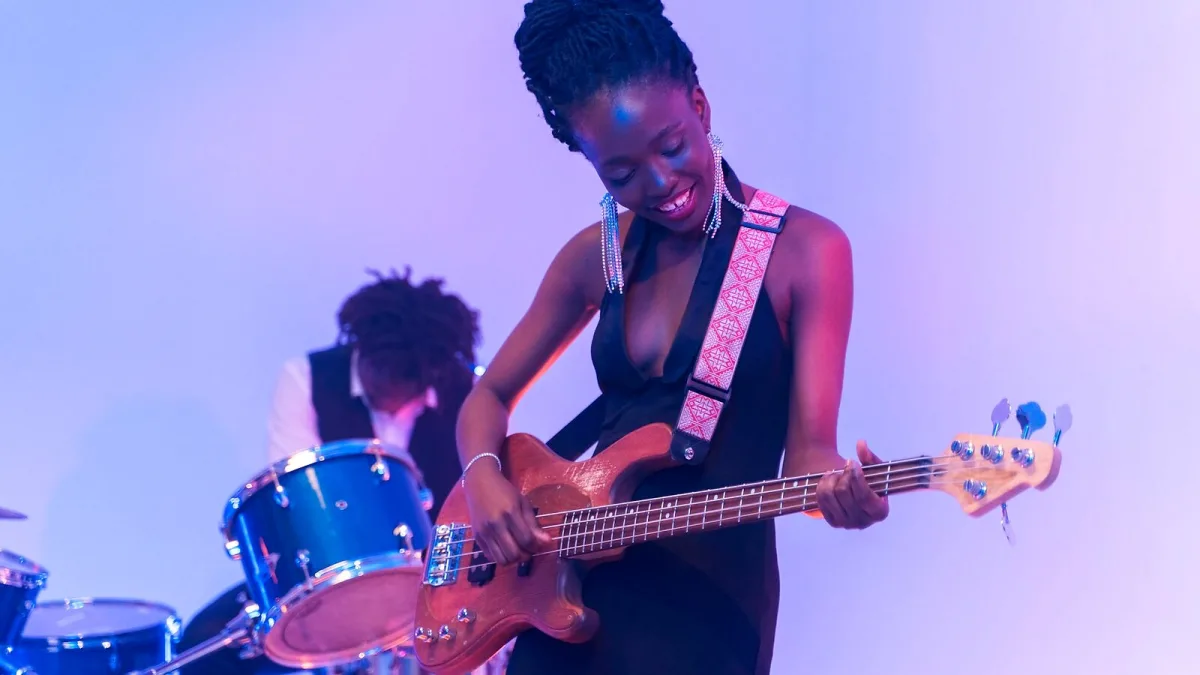
If someone has played you a highlife record and you want to know what you were actually listening to, you're in the right place. Highlife is one of West Africa's great popular music traditions — warm, danceable and instantly recognisable once you know what to listen for. This guide gives you the basics gently, without assuming you already know your dagomba from your fireman.
What Is Highlife, Exactly?
It's a West African popular music style that grew up in the coastal towns of Ghana, blending local Akan rhythms and melodies with guitars, brass instruments and dance-hall harmony brought in by European traders, sailors and missionaries. Rather than one fixed sound, it's best thought of as a family of related styles — from small acoustic guitar groups to full horn-driven dance bands — all built on the same idea: African rhythm and storytelling, played on borrowed Western instruments and bent into something entirely new.
Where the Sound Comes From
Highlife took shape in port cities like Accra, Cape Coast and Sekondi during the colonial period, when local musicians were surrounded by military brass bands, ballroom dances and imported guitars — and simply made them their own. If you want the fuller story, including the key names and dates, our full history piece walks through it decade by decade. For now, the short version is enough: this is dance music with deep roots, built by musicians adapting what was around them.
The Instruments You'll Hear
Don't worry about memorising a checklist — just get familiar with the sound of these:
- Guitar — often playing short, repeating, interlocking patterns rather than big chords, sometimes called ostinatos.
- Trumpet, saxophone and trombone — the horn section that gives that dance-band style its polished, jazzy lift.
- Bass and drum kit — holding the dance groove steady underneath everything else.
- Vocals — sung in English or in local languages such as Akan, Ewe, Ga, Igbo or Yoruba, often answered by the horns in call-and-response.
Two Ways to Hear Highlife
Most beginners find it easiest to hold two contrasting pictures in mind. Palm-wine music is the quieter, older strand: small guitar groups, relaxed conversational singing, the kind of thing played for a few friends rather than a packed dance floor. Dance-band highlife is the bigger, brasher cousin — horns, a full rhythm section and arrangements built for a crowded, sweaty dance hall. Neither is "more real" than the other; they simply sit at opposite ends of the same tradition. For a proper tour of every branch in between, our guide to highlife subgenres is worth bookmarking once you're ready for more detail.
A Few Names Worth Knowing
You don't need a long list to get started — just a couple of anchors. E. T. Mensah, leading his band The Tempos, is usually the first name people mention: his horn-led, jazz-influenced sound helped carry the style across West Africa in the 1950s and 60s. On the guitar side, early recordings by Jacob Sam and the Kumasi Trio show you the smaller, palm-wine end of things. Later Ghanaian stars such as Nana Ampadu, A. B. Crentsil and Amakye Dede kept the guitar-band sound going for new generations. If you'd like a fuller cast of characters with more context on each, our guide to the best highlife artists is the natural next stop.
How It Connects to Music You Already Know
Part of what makes it rewarding to learn about is how far its influence travels. Its guitar patterns and rhythmic sensibility fed into Afrobeat (the genre Fela Kuti built in Nigeria), into Ghana's own hiplife movement, and into the contemporary Afrobeats sound that fills UK playlists today. You're not learning about an isolated curiosity — you're learning about a root system underneath a lot of music you may already enjoy.
Your Best Next Step
The honest advice for any beginner is simple: don't try to absorb the whole history in one sitting. Pick one or two tracks, get used to the guitar-and-horns conversation, and build from there. Our companion piece, Highlife for Newcomers: Where to Start, lays out a gentle listening order if you'd like one. There's no test at the end of this — just a genre with almost a century of good tunes waiting for you, so take it at your own pace and enjoy the discovery.




Comments