


Highlife article
Essential Highlife Albums Explained
Highlife's golden age ran on singles, not albums. Here's how to build an essential highlife albums collection that's actually honest about that.
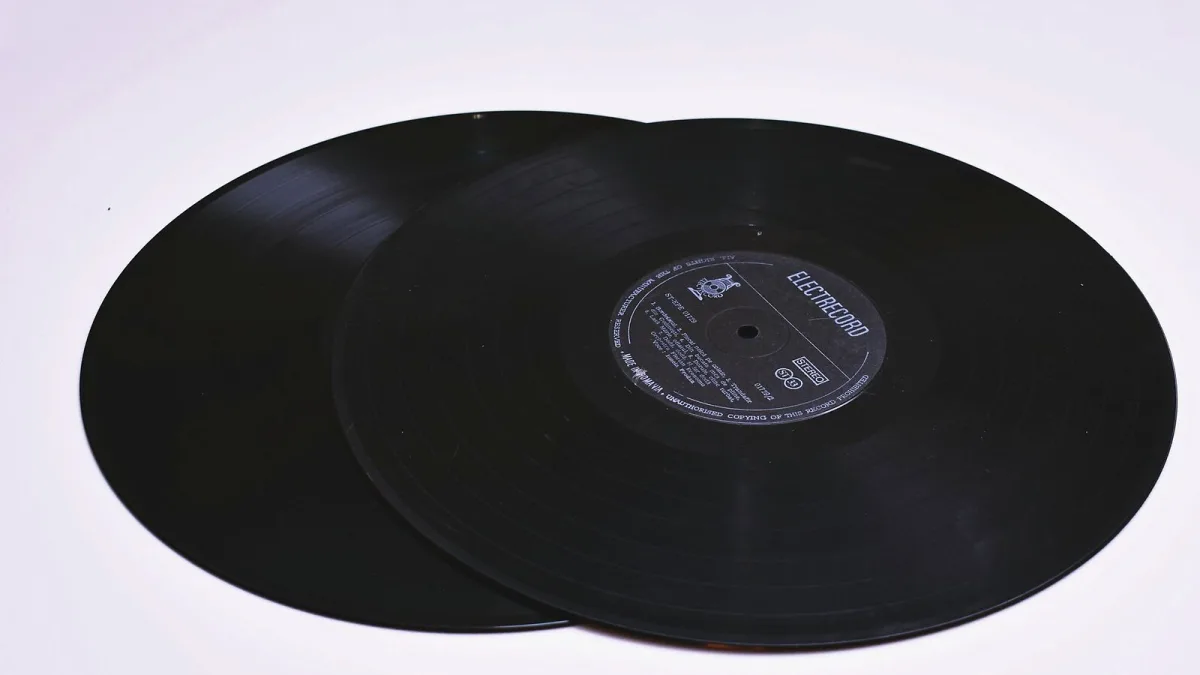
Here's a wrinkle worth knowing before you go looking for a classic highlife discography: for much of the genre's golden age, the single — the 78rpm or 45rpm record — was the format, not the album. That doesn't mean there's nothing to sink your teeth into. It means the smart way into essential highlife albums is a mix of a handful of genuine full-length landmarks, thoughtfully assembled reissues, and an artist's back catalogue as a whole.
Why "Album" Is a Slightly Slippery Word Here
Dance-band highlife in the 1950s and early 60s was built and sold on singles, played on the radio and at dances one track at a time. The album format only really took hold in West African popular music from the late 1960s and into the 1970s, as international labels and touring bands started thinking in terms of full-length releases rather than 45s. That's worth remembering before trusting any list that presents 1950s highlife as a run of studio albums — for the earliest era, compilations and reissues are usually the more honest way to build a highlife albums collection you can trust.
Osibisa: Genuine Album-Era Landmarks
If you want real, verifiable studio albums from the highlife-adjacent world, start with Osibisa. Formed in London by Ghanaian, Caribbean and West African musicians, the band released their self-titled debut, Osibisa, in 1971, followed by Woyaya in 1972 — both genuine full-length records that charted internationally and folded highlife-derived rhythm into jazz-rock, funk and African percussion. These are a rare case in this list: real albums, in the modern sense, that you can put on start to finish.
E. T. Mensah and The Tempos: Hearing the Singles as a Whole
E. T. Mensah's most important work was recorded and released as singles through the 1950s and 60s, so the honest way to "hear his albums" today is through the reissue compilations that gather his key sides in one place. Rather than treating any particular compilation title as canonical, look for well-reviewed reissues on specialist labels dedicated to archival African music — they typically pull together the horn-led, jazz-influenced Tempos recordings that defined dance-band highlife's golden age. Our history of highlife has more on why this period matters so much.
Palm-Wine Recordings: Look for Anthologies
The same logic applies further back. Jacob Sam and the Kumasi Trio's early palm-wine recordings survive mainly through historical anthologies of West African guitar music rather than as a standalone "album" in the modern sense. Treat these anthologies as your essential listening for the genre's guitar-and-voice roots — you're hearing a body of recorded work rather than a single planned release.
Later Guitar-Band Catalogues
Once you reach Nana Ampadu, A. B. Crentsil and Amakye Dede, the picture shifts again: these later Ghanaian stars built genuinely substantial recorded catalogues across the 1970s, 80s and beyond. Rather than chasing one "essential" title from each, the more useful approach is exploring their catalogues as a whole, since their reputations rest on a body of work built up over decades rather than a single breakthrough release. For a fuller picture of who's who among them, see our guide to the genre's best artists.
A Practical Approach to Building a Highlife Albums Collection
Use these five steps to approach highlife albums sensibly, rather than trusting the first list you find:
- Start with Osibisa's early albums — genuine, verifiable full-length releases from 1971–72.
- Seek out reputable reissue labels specialising in archival African music for E. T. Mensah and other 1950s–60s dance-band material.
- Look for anthologies rather than single "albums" when exploring palm-wine and early guitar highlife.
- Explore later artists by catalogue, not by chasing one canonical title, once you reach the 1970s guitar-band era.
- Cross-check any specific release against a reliable discography or streaming service before assuming a title, date or tracklist is accurate — older African recordings are often poorly documented online.
The Bottom Line
An honest guide to highlife albums has to admit that the format doesn't map neatly onto the genre's earliest and most important decades. Treat Osibisa's early records as your genuine album-era landmarks, and treat everything from the 1950s and 60s dance-band and palm-wine eras as a catalogue to explore through reissues and anthologies rather than a tidy list of titles. If you're just starting out and want a gentler route through all of this, our newcomer's guide is the better first stop.




Comments