


Gregorian Chant roundup
The Best Gregorian Chant Artists to Know
No frontman, no headline slot, just devoted communities keeping something remarkable alive. Here are the monasteries and ensembles actually worth knowing.
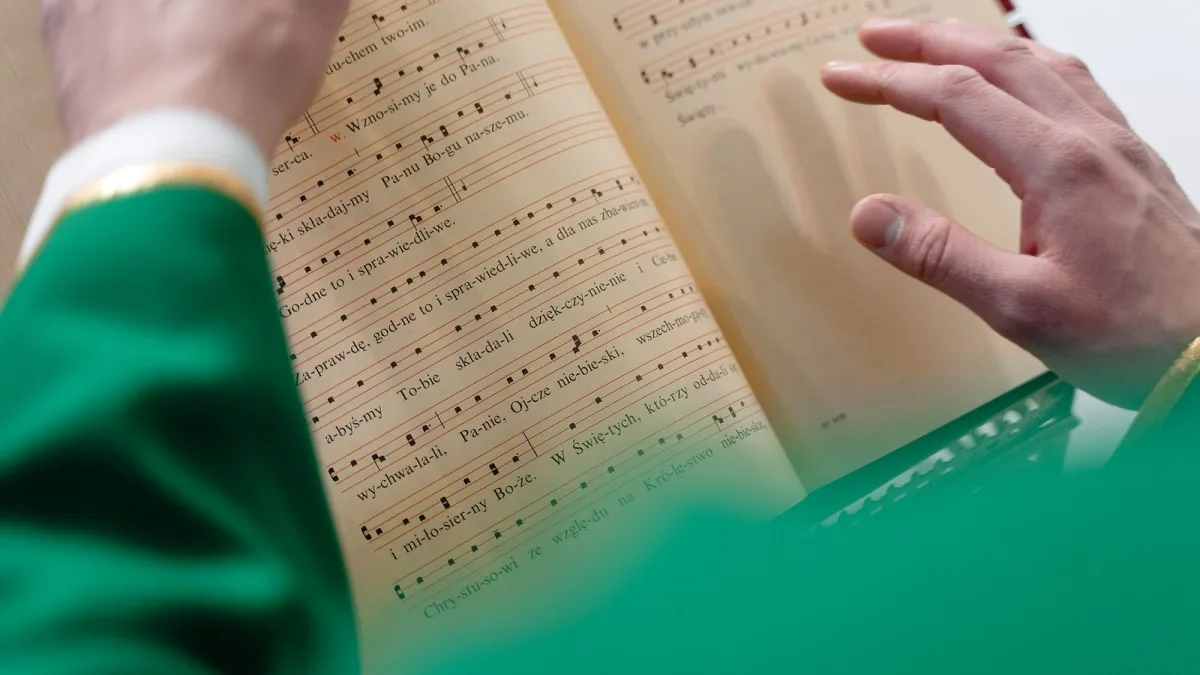
There's no frontman here, no headline slot, and that's rather the point. Gregorian chant is a tradition carried by communities rather than individual stars, so the "artists" worth knowing are monasteries, scholas and dedicated ensembles — each one a small, devoted crew keeping something remarkable alive.
The Abbey of Solesmes
If any name anchors this whole world, it's Solesmes. The Benedictine monks at this French abbey spent generations comparing medieval manuscripts and rebuilding a performance tradition that had drifted over centuries, and their editions remain the reference point most singers still learn from. Their own recordings — going back to sessions in 1930, again in 1958, and a 1976 album that even picked up a Grammy nomination — are genuinely worth hearing as living history, not just as scholarship on paper.
The Benedictine Monks of Santo Domingo de Silos
Here's the underdog story I can't resist. A community of Spanish Benedictine monks, recording quietly for their own purposes in the 1970s and early 1980s, suddenly found themselves at the centre of a global phenomenon when Angel Records repackaged their sessions as *Chant* in 1994. It reportedly reached number three on the US album chart — an extraordinary run for unaccompanied Latin plainsong with absolutely no marketing plan behind the original recordings. Just monks, singing what they'd always sung.
The Cistercian Monks of Stift Heiligenkreuz
This Austrian community became one of the most prominent monastic recording acts of recent decades, appearing on releases including *Chant: Music for Paradise*. What strikes me about their records is how unforced they sound — no attempt to chase the 1994 crossover moment, just a community singing its own daily prayer and letting the recording quality do the rest.
Nova Schola Gregoriana
A specialist ensemble with recordings on the Naxos label, which puts them in genuinely good company for anyone who wants a professionally documented, non-crossover interpretation rather than a mood-playlist compilation. This is the choice for listeners who want scholarship you can actually trust behind the sound.
Capella Antiqua München
Working under conductor and scholar Konrad Ruhland, this ensemble represents the more historically informed, research-driven side of performance — their 1974 recordings, made in Bavaria, have been reissued and are still described as a landmark moment in the modern revival of interest in the repertoire.
| Ensemble | Best known for |
|---|---|
| Abbey of Solesmes | Foundational editions and rhythmic method |
| Monks of Santo Domingo de Silos | The 1994 crossover album Chant |
| Monks of Stift Heiligenkreuz | Contemporary monastic recordings |
| Nova Schola Gregoriana | Specialist Naxos recordings |
| Capella Antiqua München | Historically informed, research-led performance |
Ensemble Organum
Led by Marcel Pérès, this ensemble takes a more historically adventurous approach that can sound quite different from the smoother Solesmes tradition — well worth hearing precisely because it challenges the assumption that there's only one "correct" sound.
A Word of Warning: Gregorian Isn't Gregorian Chant
One genuine trap for newcomers: a German commercial project simply called Gregorian, founded by producer Frank Peterson, records rock and pop songs with chant-style vocal arrangements layered over synthesizers and drums. It's a perfectly enjoyable crossover act in its own right, but it isn't liturgical Gregorian chant, and it shouldn't be confused with anything on this list. Know the difference before you go shopping.
Why This Cast List Never Really Closes
New scholas and monastic communities keep recording, and existing archives keep getting reissued and remastered for streaming. Unlike a band that eventually calls it a day, this is a living practice that renews itself every time a new group of singers takes it on — which is exactly why there's no definitive, closed list of who matters most. There's always another schola worth discovering.
The Bottom Line
These are communities, not celebrities, and that collective spirit is exactly what makes this tradition special. For where these recordings actually fit into the wider story, our essential albums guide is the natural next stop, and our history of Gregorian chant fills in how we got here in the first place.


Comments