


Gregorian Chant article
Gregorian Chant for Newcomers: Where to Start
You don't need to know a single mode name or Latin ending to get something real out of this. Here's the straight, no-nonsense version of where to start.
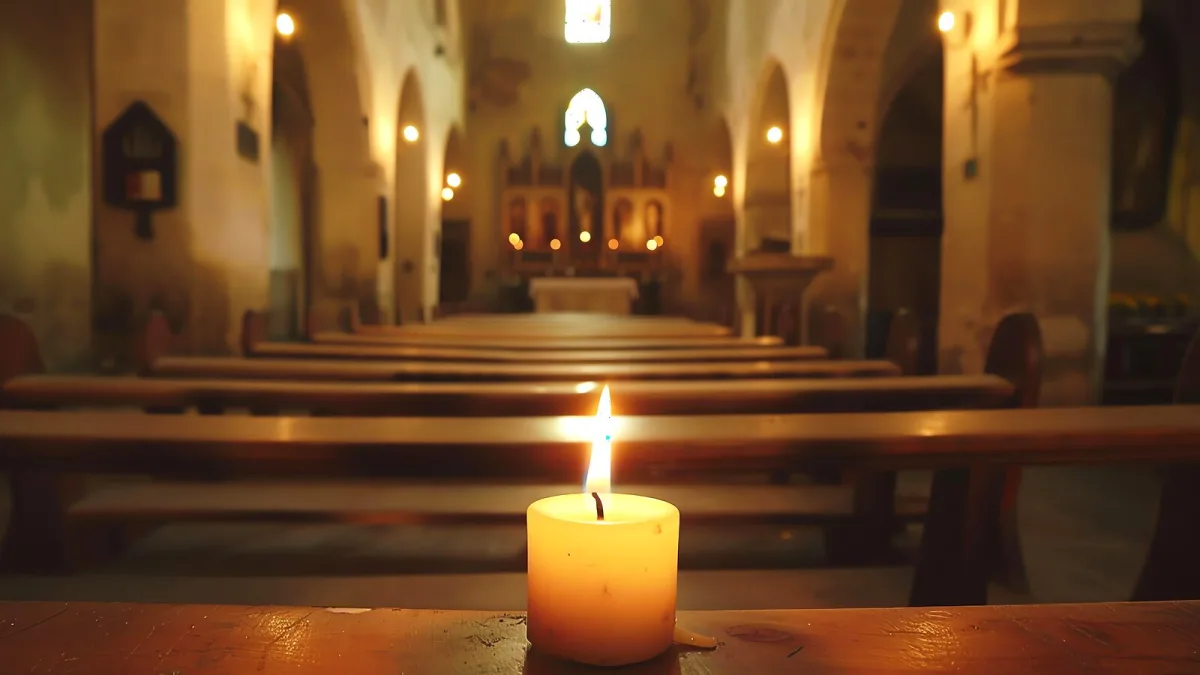
Right, let's skip the theory for now. You don't need to know a single mode name or Latin ending to get something real out of Gregorian chant the first time you press play. Here's the straight, no-nonsense version of where to actually start.
Step One: Just Listen, Somewhere Quiet
Find fifteen minutes where nobody's talking to you and nothing else needs your attention. Put on a short, well-recorded piece — "Salve Regina" is a solid choice, genuinely moving even on a first listen — and don't try to analyse it. Just notice how a single melodic line, with no instruments backing it up, still manages to fill a room.
Step Two: Read the Words First
Before your second listen, find a translation of the Latin text and read it through slowly. You're not learning a language here, just getting a sense of what the melody is actually responding to. Once you know the words mean something like "hail, holy queen," the shape of the melody suddenly makes a lot more sense — it's not decoration, it's the text given a voice.
Step Three: Notice There's No Beat
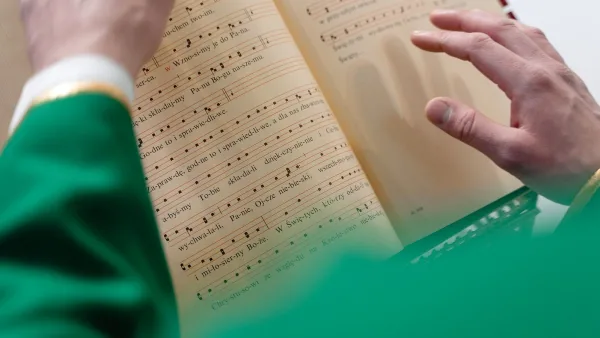
This trips up more newcomers than anything else. There's no regular pulse to tap your foot to, no bar lines the way you'd find in most music you already know. The phrasing follows the words and the breath instead. Once you stop waiting for a beat that isn't coming, the whole thing gets a lot easier to sit with.
Step Four: Pick One Community and Stick With It Briefly
Don't jump between five different recordings on day one. Choose one well-documented performance — something from the Solesmes tradition is a sensible, widely available starting point — and stay with that single interpretation for a few listens before comparing it to anything else. You'll actually notice more that way than by sampling everything at once.
Step Five: Learn the Difference Between the Real Thing and the Crossover Version
Here's something worth knowing early so you don't get caught out: there's a German commercial group simply called Gregorian that puts chant-style vocals over rock and pop songs with synthesizers and drums. It's fine as its own thing, but it's not what this guide is about, and it's not liturgical Gregorian chant. If a track has a drum beat, you're listening to something else.
Honest Answers to What Newcomers Actually Ask
- "Do I need to be religious to enjoy this?" No. Plenty of people connect with the sound purely as music, without sharing the faith behind it.
- "Is it all slow and mournful?" Not at all — some pieces are direct and stark, others genuinely soar.
- "Do I need to understand the modes?" Not to start. That's a second-listen problem, not a first-listen one.
- "Which recording is 'authentic'?" There's no single agreed answer, even among specialists, so don't stress over picking the "correct" one straight away.
You Don't Need a Church to Get Started
You can absolutely start with a recording at home, on headphones, on your own terms. But if there's ever a chance to hear it sung live in a real church or abbey, take it without overthinking it. The acoustics of a genuine stone space do something a home speaker simply can't replicate, and it's the setting Gregorian chant was actually written for in the first place.
A Straightforward Truth
Gregorian chant isn't background music, whatever a relaxation playlist might suggest. It was built to serve worship, and it rewards the same quiet attention it was written for. Give it that, even just once, and you'll understand why this tradition has outlasted every trend that's come and gone around it.
The Bottom Line
Start quiet, read the words, forget about finding a beat, and don't confuse the real thing with its pop cousin. When you're ready for more depth, our beginner's guide and history both go further, and our guide to the best artists to know is waiting once you're ready to go looking for more.



Comments