


Flamenco roundup
The Best Flamenco Songs Right Now
The essential, enduring flamenco songs worth building a playlist around, from Entre Dos Aguas onward, organised by palo rather than passing trends.
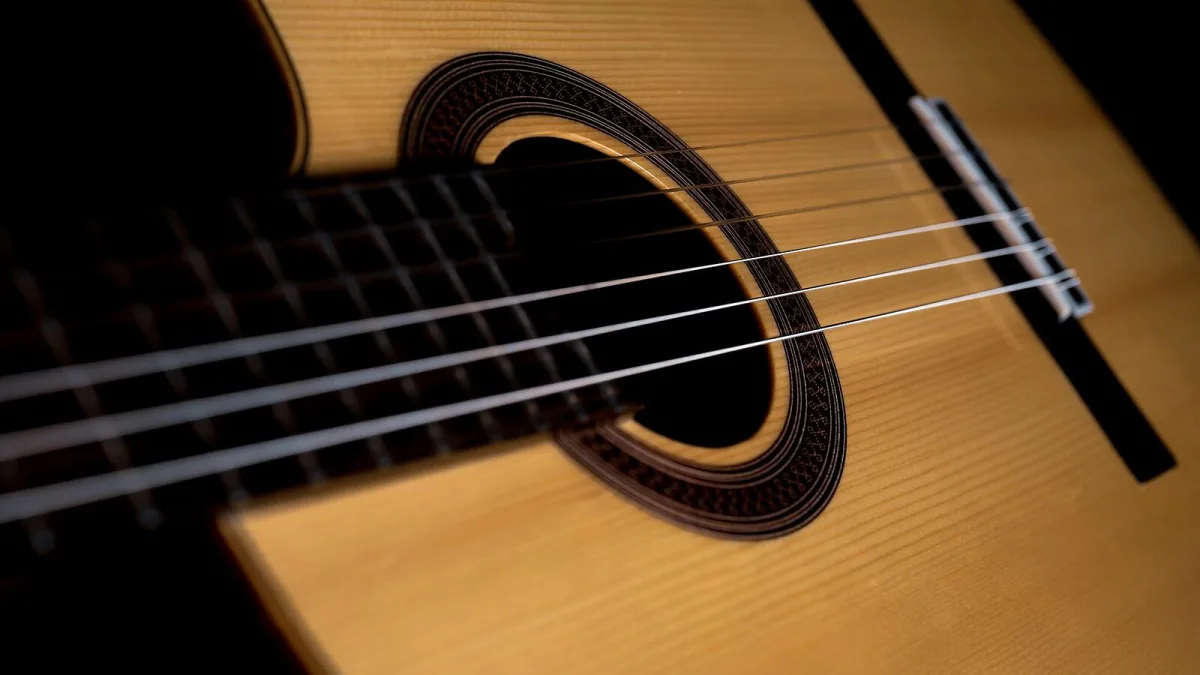
Forget the churn of weekly charts for a second — the best flamenco songs right now are, for the most part, the same ones that mattered a decade ago and will still matter in another decade. This is a genre built on defining, enduring tracks rather than disposable hits, so this list is about what actually holds up on repeat listens, organised by what each track does rather than by fleeting popularity.
Two Tracks That Changed the Sound
Entre Dos Aguas by Paco de Lucía is the obvious starting point, and for good reason: built on a rumba flamenca groove rather than a stricter palo, it’s the single track most responsible for carrying flamenco guitar to listeners who had never encountered it before. It still works as an introduction today precisely because it doesn’t demand prior knowledge to enjoy.
The title track of Camarón de la Isla’s La Leyenda del Tiempo plays a different role. It pushed cante singing into instrumentation and production choices well outside tradition, unsettled plenty of listeners on release, and now stands as one of the genre’s genuine turning points. Play these two back to back and you can hear almost the entire modern story of the tradition in under fifteen minutes.
Listening by Palo, Not by Popularity
Rather than chase a single definitive top ten, the sharper move is to build a small internal playlist across the main palos, because each does something the others don’t:
- Soleá — grave, spacious, often treated as the tradition’s emotional centre of gravity.
- Bulerías — fast, flexible and improvisatory; usually the most immediately exciting palo live.
- Alegrías — bright and dance-forward, rooted in Cádiz.
- Tangos — a steady, binary-feeling groove and one of the gentlest entry points.
- Rumba flamenca — the most accessible and commercially crossover-friendly palo.
Search any major streaming service for a well-known artist’s name plus the palo you want — “Camarón soleá” or “Paco de Lucía bulerías”, for instance — and you’ll turn up recordings built specifically around that feel rather than relying on an algorithm’s idea of what’s trending.
A Few More Names Worth Searching
Beyond the two landmark tracks above, guitarist Tomatito, Camarón’s long-time collaborator, has a deep catalogue worth exploring for anyone who liked the guitar work on La Leyenda del Tiempo. Contemporary guitarist Vicente Amigo is a good next step for listeners who want something harmonically adventurous but still clearly rooted in tradition. Singer Enrique Morente is worth searching out if you enjoyed hearing cante pushed somewhere unexpected, since he spent much of his career connecting flamenco singing with rock and classical music without losing its core.
| Track or Artist | Palo | What to Expect |
|---|---|---|
| Entre Dos Aguas — Paco de Lucía | Rumba flamenca | Bright, immediately catchy, no prior knowledge needed |
| La Leyenda del Tiempo (title track) — Camarón de la Isla | Crossover cante | Voice pushed into unfamiliar production territory |
| Search: an artist’s name + “soleá” | Soleá | Slow, spacious, emotionally weighty |
| Search: an artist’s name + “bulerías” | Bulerías | Fast, playful, usually a closing-set showstopper |
Where Modern Crossovers Fit
Plenty of what gets called flamenco songs on streaming playlists today is really flamenco-influenced pop. Rosalía is the clearest example: her production draws heavily on flamenco phrasing and imagery while sitting firmly within a contemporary pop framework. That’s not a criticism — it’s just worth knowing the difference so you can find the traditional recordings underneath the influence when that’s what you’re actually after.
Building a Playlist That Lasts
A flamenco playlist worth keeping mixes formats as much as it mixes palos: a solo guitar piece, a pure cante recording with no instrumentation beyond palmas, and a full ensemble track with guitar, voice and dance cues all present. That variety is what separates a lasting collection of flamenco songs from a random scroll through whatever a playlist algorithm surfaced this week.
Where to Go From Here
If you want the full albums behind these tracks, our guide to essential flamenco albums covers Fuente y Caudal and La Leyenda del Tiempo in full. To understand the artists behind the names above, see the best flamenco artists to know, and for a proper breakdown of every palo mentioned here, our flamenco subgenres guide goes much deeper.
The Bottom Line
The best flamenco songs right now are the ones that were already essential twenty years ago — this isn’t a genre where relevance expires on a weekly cycle. Start with Entre Dos Aguas and La Leyenda del Tiempo, branch out by palo rather than by chart position, and you’ll end up with a playlist that still sounds right in another decade.






Comments