


Flamenco article
Flamenco for Newcomers: Where to Start
A proper, no-nonsense route into flamenco for beginners: listen first, feel the rhythm, pick one palo, and avoid the common early mistakes.
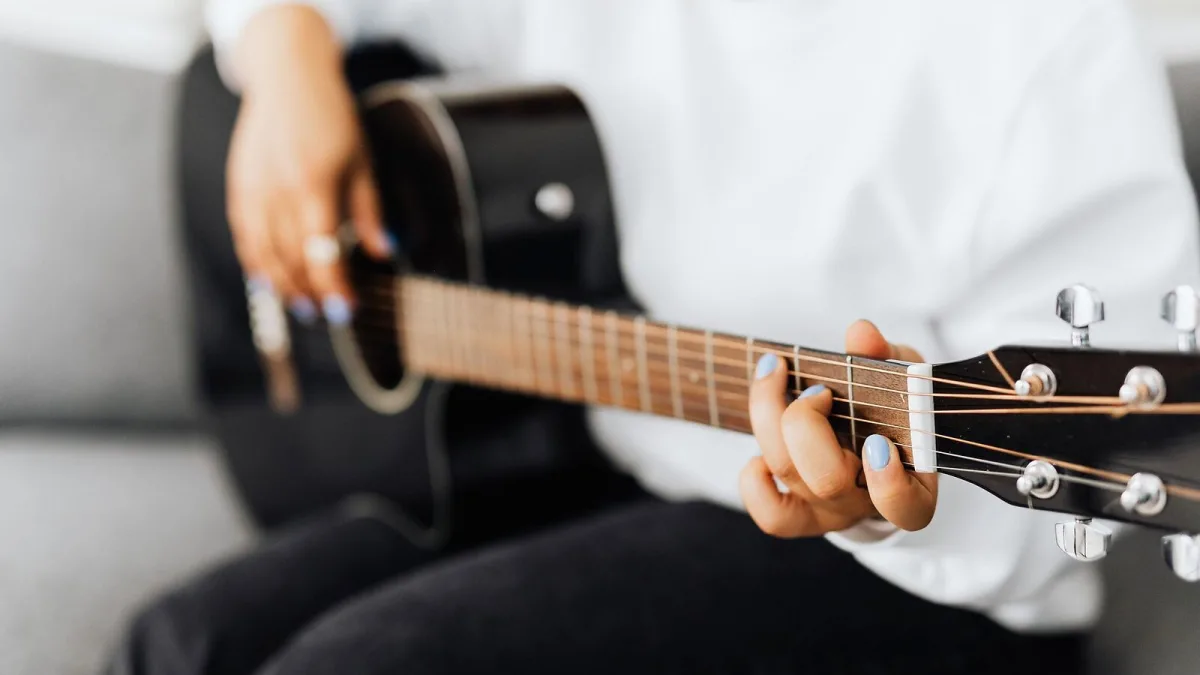
Right, so you’ve decided to actually get into this instead of just nodding along when someone else plays it. Good. Flamenco for beginners doesn’t need to mean months of confused YouTube tabs and half-remembered Spanish words — it needs a sensible order to do things in, and that’s exactly what this is: a proper, no-nonsense route in.
Start With Your Ears, Not Your Feet or Fingers
Before you touch a guitar or a pair of dance shoes, just listen — properly, on decent speakers or headphones, not as background noise while you do the washing up. This is the single best piece of advice going for anyone starting out, and it’s the bit almost everyone skips because it feels too passive to count as “doing something”. It isn’t passive. Your ear needs weeks of exposure before compás starts to make instinctive sense, and there’s no shortcut round that.
Learn to Feel Compás Before Anything Else
Compás is the rhythmic cycle and shared sense of timing that holds a whole performance together, and it matters more than any single technique you could learn on guitar or in a dance class. Clap along to recordings. Count out loud, even if it feels daft doing it alone in your bedroom. The goal isn’t perfection — it’s getting the cycle into your body so it stops being maths and starts being instinct.
Pick One Palo and Live With It
Don’t try to absorb every style at once. Tangos, rumba flamenca and alegrías are the friendliest starting palos — steadier grooves, brighter moods, less demanding than the grave, spacious soleá or the fast, improvisatory bulerías. Choose one, listen to several recordings of it back to back, and only move on once it feels genuinely familiar rather than just recognisable.
See It Live If You Possibly Can
Recordings only get you so far. A tablao or a peña performance shows you the actual conversation happening between singer, guitarist and dancer in real time — the cues, the call-and-response, the moments a dancer answers a singer’s phrase with a pause instead of a step. That's a piece of context no recording fully captures, and it tends to be the moment flamenco for beginners clicks from “interesting” into “genuinely gripping”.
If You Want to Play or Dance
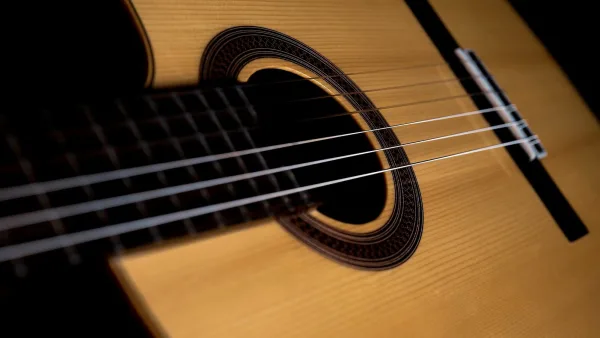
Thinking about picking up the guitar? A reasonably playable nylon-string instrument matters far more at the start than an expensive flamenco-specific one; you can graduate to lower action and a sharper attack once you know you're sticking with it. Learn rasgueado, the rapid multi-finger strumming technique, slowly and with a relaxed wrist — rushing it while tense is the single most common mistake beginners make. Thinking about dance instead? A first class should be all about posture, weight transfer and listening, not footwork. The fancy stuff comes later, and no decent teacher expects otherwise.
Your First Month, Roughly
- Listen daily to a handful of different palos, without trying to analyse anything yet.
- Learn basic palmas (handclapping) and practise clapping along to recordings.
- Count the twelve-beat cycle aloud until it stops feeling like homework.
- Settle on correct guitar or dance posture if you're learning an instrument or movement.
- Stay relaxed during any technical practice — tension is the enemy of good rhythm.
Mistakes Worth Sidestepping
- Treating flamenco guitar like ordinary chord strumming — it isn’t, and rasgueado in particular needs its own dedicated practice.
- Chasing speed before your rhythm is even.
- Assuming rumba flamenca represents the whole tradition — it’s the accessible edge of something much bigger.
- Using “Spanish guitar”, “classical guitar” and “flamenco guitar” as interchangeable terms; they aren’t built or played the same way.
- Giving up after a slow first month — almost every guide to flamenco for beginners will tell you the rhythm clicks later than you expect, not sooner.
Where to Go From Here
Once the basics have settled, our full beginner’s guide to flamenco fills in the wider picture, and flamenco subgenres explained maps out every palo beyond the handful mentioned here. For listening, essential flamenco albums and the best flamenco songs give you specific starting points, and the history of flamenco explains where all of this actually came from.
The Bottom Line
Flamenco for beginners really comes down to patience over speed: listen first, feel the rhythm before you chase technique, and pick one palo rather than five. Do it in that order and the tradition opens up a lot faster than the intimidating reputation suggests.



Comments