


Acid Jazz roundup
The Best Acid Jazz Artists to Know
No filler, just the artists who actually built this sound — who they are, what to play first, and why each one matters.
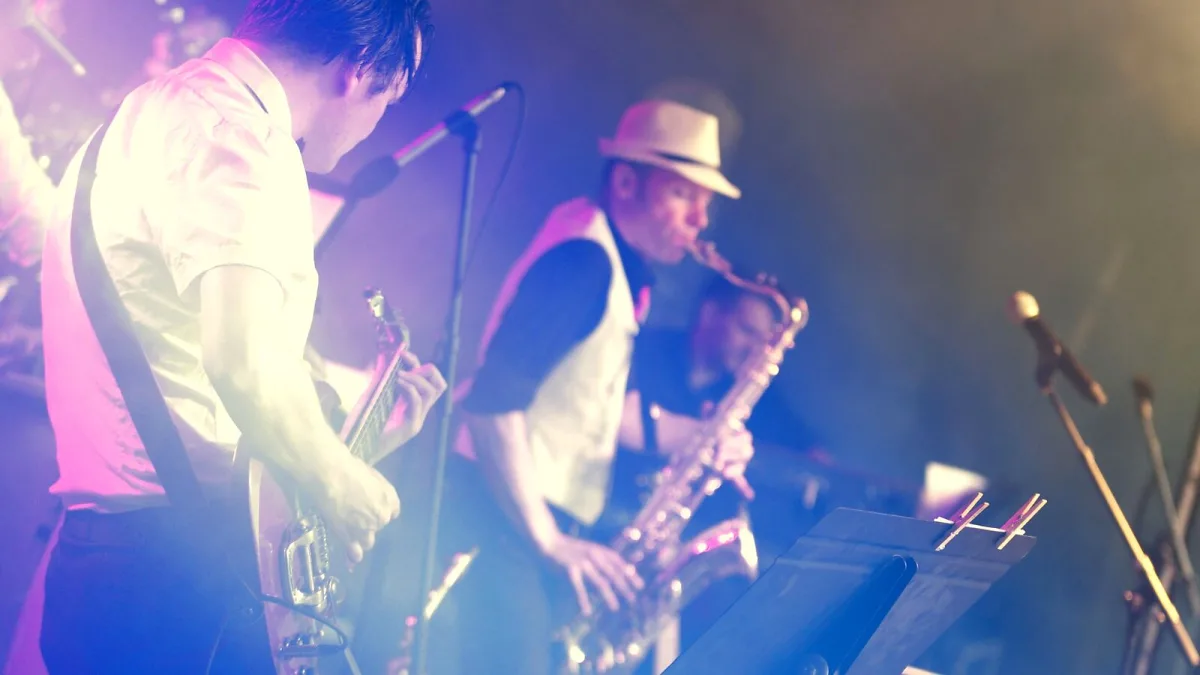
Right, no messing about — if you want to actually understand this genre, you need names, not vibes. Here are the acts who genuinely built acid jazz, in plain terms, so you know exactly who you're listening to and why they matter.
The Brand New Heavies
These are the ones who made it accessible without watering it down. Their self-titled debut landed in 1990, mixing funk, soul and jazz-funk into songs with real hooks rather than just extended grooves for DJs to play with. If you want a way in that doesn't demand patience, start here.
Incognito
Polished, ensemble-driven, properly musicianly — Incognito represent the more sophisticated end of the scene. Their 1992 album Tribes, Vibes and Scribes gets cited constantly as a defining release, and it's easy to hear why once you actually sit with the arrangements and the vocal work.
Galliano
Galliano are the ones who kept a foot properly in the club, blending spoken word, hip-hop influence, jazz and funk into something more experimental than their mainstream peers. In Pursuit of the 13th Note, released in 1991, is the record that gets handed to newcomers who want the scene's rawer, more restless side.
Jamiroquai
Say what you like about how big they got — Jamiroquai's debut single "When You Gonna Learn" came out on Acid Jazz Records in 1992, and their proper debut album, Emergency on Planet Earth, followed in 1993. They took the sound global, full stop. Whether you rate the later, poppier records is a separate argument; the roots are undeniably there.
The James Taylor Quartet
If you want the instrumental, organ-led side of the story, this is your band. Hammond organ, drums, guitar, horns, extended funk grooves — no vocals required. Their early releases basically wrote the template for the genre's live-band, soul-jazz wing, and if you're the kind of listener who cares more about a groove than a chorus, start here.
Us3
Us3 flip the script entirely: sample-based, hip-hop-rooted, built in the studio rather than a rehearsal room. Their 1993 album Hand on the Torch is the clearest evidence that this genre was never just one production method — some of it's a live band, some of it's a producer with a sampler and a serious record collection, and Us3 sit firmly in the second camp. For more on that whole live-versus-sampled divide, our history piece covers it properly.
Where to Start If You Only Pick Three
| Artist | Start with | Why |
|---|---|---|
| The Brand New Heavies | Self-titled debut (1990) | The most accessible entry point, song-based and hook-driven. |
| The James Taylor Quartet | Early Hammond-led releases | The instrumental, soul-jazz backbone of the whole scene. |
| Us3 | Hand on the Torch (1993) | The sampling, hip-hop-facing side, for a completely different flavour. |
Once you've got a handle on the artists, our guide to the essential albums tells you exactly which full records to sit with, and our pick of the essential tracks is the faster route in if you'd rather sample everyone before committing to a whole LP.
No Single Sound, and That's the Point
What should be obvious by now is that these acts don't all sound alike. Jamiroquai's pop instincts, Galliano's restlessness, Incognito's polish, Us3's sampling and The James Taylor Quartet's stripped-back grooves are genuinely different approaches sitting under one loose acid jazz banner — which is exactly why the genre's still debated and reclassified constantly. Don't expect uniformity; expect a shared attitude toward groove, feel and jazz vocabulary instead.
The Bottom Line
Skip the endless forum debate about who counts as "real" acid jazz and just listen to all six of these acid jazz acts back to back. You'll hear the common thread — groove first, everything else second — a lot faster than any amount of reading will get you there. If you're brand new to any of this, our beginner's guide is worth reading alongside this list.





Comments