


Acid Jazz article
A Beginner's Guide to Acid Jazz
A warm, no-jargon starting point for acid jazz: what defines the sound, where it came from, and what to listen for first.
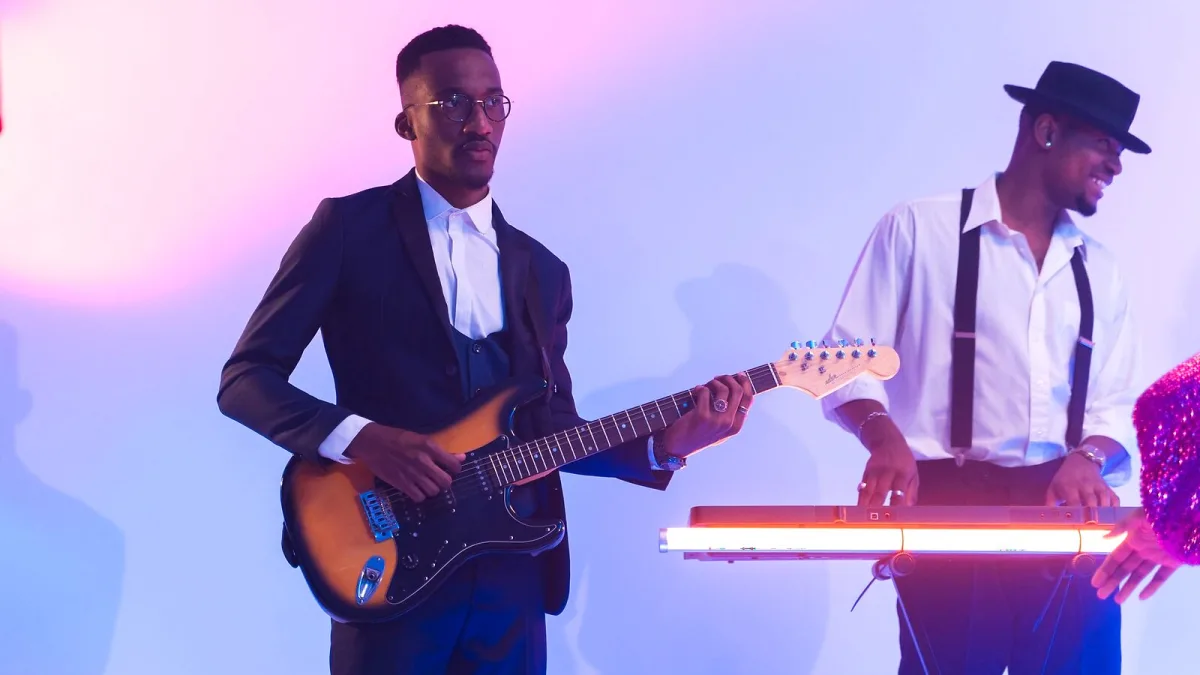
There's a particular kind of record collector who lights up the second you mention acid jazz — the ones who'll pull three different reissues off the shelf just to make a point about a groove. I love that energy, and I want to bottle a bit of it here. This is the genuine, no-jargon starting point for understanding what it actually is, without pretending you need a jazz theory degree to get it.
What It Actually Is
Acid jazz is a UK-born club-music movement that fuses jazz, funk, soul, rare-groove culture, hip-hop and electronic production. It grew out of London's club scene in the mid-to-late 1980s and became widely recognised in the early 1990s through bands like The Brand New Heavies, Incognito, Galliano and Jamiroquai.
The simplest way to hold it in your head: danceable jazz-funk, shaped by DJs rather than composers. It usually leans on a strong groove, soulful vocals or melodies, jazz-flavoured improvisation, real instruments and — depending on who's playing — sampling, drum machines and studio effects layered on top.
Where It Came From, in Brief
This wasn't a genre invented in a rehearsal room. It came from DJs and selectors — Gilles Peterson and Eddie Piller among the most important — digging up overlooked jazz, funk and soul records from the 1960s and '70s and playing them in clubs alongside newer material. Peterson and Piller founded Acid Jazz Records in 1987, and the name and the scene grew from there. If you want the full story, our complete history of the genre goes into it properly.
The Sound: What to Actually Listen For
Forget tempo — there isn't one mandatory speed. What actually defines the sound is a combination of ingredients:
- Rhythm: funk-derived syncopation, prominent backbeats, and grooves that leave room for solos.
- Harmony: dominant seventh and minor seventh chords, modal vamps, repeating two- or four-chord patterns — nothing you need a conservatoire to follow.
- Instrumentation: Hammond organ, electric piano, clavinet, horns, electric bass and drum kit, often alongside synths and samplers.
- Vocals: soulful and direct when they're present, though plenty of the genre's landmark tracks are instrumental.
Live Bands and Sample Collages
One genuinely useful thing to listen for as a beginner is the contrast between two production approaches sitting under the same genre umbrella. Some of it is essentially a live funk band recorded with club play in mind — think The James Taylor Quartet's organ-led grooves. Other recordings are producer-led constructions built from samples and loops, closer to hip-hop in method even when the source material is deeply jazz-rooted. Us3's sample-based approach is the clearest example of that second path.
One Common Mix-Up: Not the Same as Acid House
The shared word trips people up constantly, so let's clear it up now: this is not a jazz-flavoured version of acid house. The word "acid" here points to the scene's experimental, psychedelic club identity, not a direct musical lineage from acid house's squelchy 303 basslines. They're different scenes that happened to share a word.
The Labels That Gave It a Home
Acid Jazz Records, founded by Peterson and Piller in 1987, became the genre's first real institutional home, later joined by Talkin' Loud once Peterson moved on to found it. Between them, these two labels backed most of the artists people now think of as genre-defining. Our guide to the essential artists covers who to actually listen to from that roster.
Where to Go Next
Once the basics click, the genre opens up quickly. Our breakdown of its subgenres and neighbouring styles helps you understand how it connects to nu-jazz and broken beat, and our list of essential albums is the natural next stop once you're ready to sit with full records rather than individual tracks.
The Bottom Line
Acid jazz rewards curiosity more than expertise. It's a genre built by DJs who loved a groove enough to dig through crates for it, and that spirit — chasing the feeling over the theory — is still the most honest way into the music. Start with your ears, not a syllabus, and the rest of the genre will make sense as you go.





Comments