


Acid Jazz article
Essential Acid Jazz Albums Explained
Five records that actually did the work of defining this sound — no padding, no filler, just what to play and why each one matters.
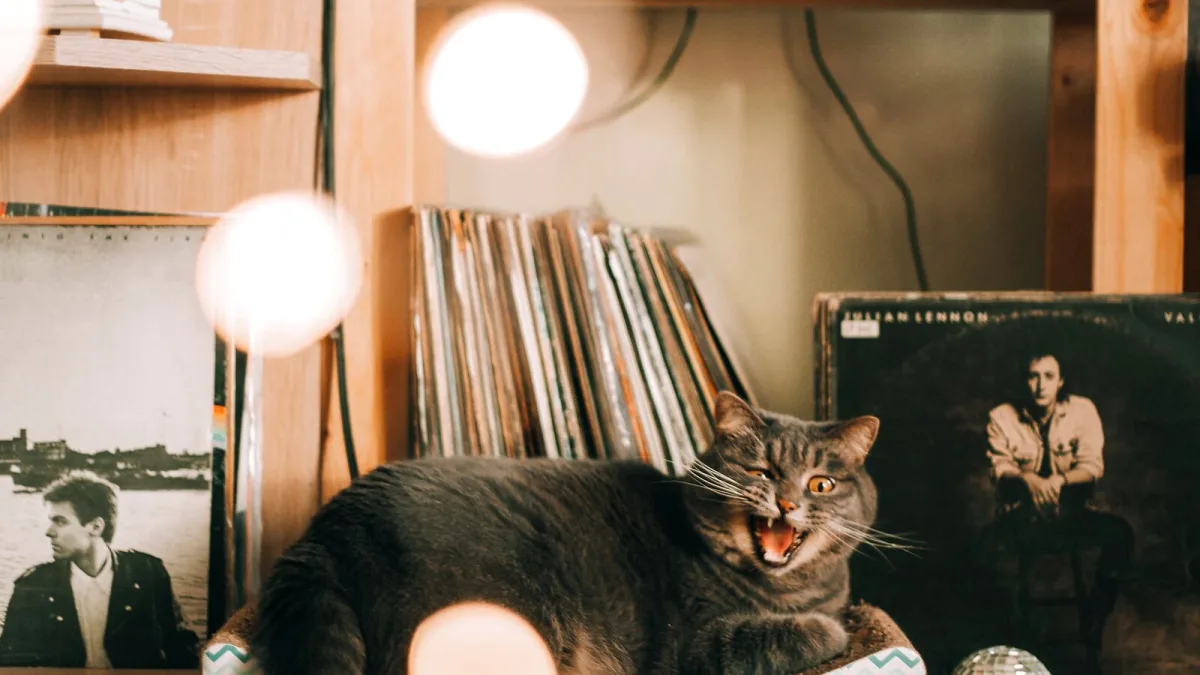
Forget scattered playlists. If you actually want to understand acid jazz, you sit with full albums. Five records did the heaviest lifting in defining the sound, spread across three consecutive years. Here they are, no padding.
The Brand New Heavies – The Brand New Heavies (1990)
This is where the accessible, song-based end of the genre starts. Released in 1990, it's funk and soul with real hooks, not just extended grooves for DJs. Start here if choruses matter to you as much as rhythm sections do.
Galliano – In Pursuit of the 13th Note (1991)
A year later, and a world away in attitude. Galliano's 1991 debut leans into spoken word, hip-hop influence and restless club experimentation. It's the record that gets pushed on anyone who finds The Brand New Heavies a bit too polished, and it shows off the more underground, DJ-facing side of acid jazz far better than any greatest-hits compilation.
Incognito – Tribes, Vibes and Scribes (1992)
Ensemble musicianship, done properly. This 1992 release is constantly cited as one of the era's defining statements, and the arrangements make clear why — this is a full band operating at a genuinely high level, not a producer's side project.
Jamiroquai – Emergency on Planet Earth (1993)
The one that went global. Following a 1992 debut single on Acid Jazz Records, Jamiroquai's proper first album arrived in 1993 and took the sound to an audience the rest of the scene never reached. Love it or find it too smooth for your taste — either way, it's non-negotiable listening for understanding how big this got.
Us3 – Hand on the Torch (1993)
The same year, a completely different method. Us3 built this record from jazz sampling and hip-hop production rather than a live band in a rehearsal room. It's proof acid jazz was never just one production style — some of it's musicians in a room, some of it's a producer and a serious record collection.
How to Actually Listen to These Albums
Don't just let them play in the background. Pay attention to a few specific things and each record opens right up:
- The bass-and-drum relationship — is it a tight, live pocket, or something looped and programmed?
- Whether the drums are live, programmed or sampled — it changes the entire feel of a track.
- What the Hammond organ or electric piano is actually doing — harmony, rhythm, or both at once.
- How the horns function — as riffs, responses, or full solo voices.
- Whether the track is a loop-based groove or a conventional song structure.
Run through that checklist on all five records and you'll hear the genre's actual range, not just its greatest-hits reputation. Our guide to the essential artists gives you more background on each act behind these records, and our history of the genre explains exactly how these five releases fit into the wider timeline.
If You Only Have Time for One Track Each
Fair enough — not everyone has an afternoon free for five full albums right now. Our pick of the essential individual tracks gives you one representative cut from each of these records and more, so you can sample the range before committing to the whole thing.
Why These Five and Not Others
Plenty of other records get filed under this banner — Corduroy, Mother Earth and Young Disciples all have defenders, and rightly so. But these five cover the genre's full range in the fewest possible records: song-based, experimental, ensemble-polished, mainstream-crossover and sample-built. If you've only got time for five albums total, this is the shortlist that actually earns its place.
The Bottom Line
Five albums, three years, five genuinely different approaches to the same basic idea: groove first, jazz vocabulary second, everything else in service of both. Start wherever your ear pulls you — there's no wrong order, only a wrong assumption that every acid jazz record sounds the same. They don't, and that's exactly the point.





Comments