


Gangsta Rap roundup
The Best Gangsta Rap Artists to Know
No filler, no ranking gimmicks: the artists you genuinely need to know if you want to understand where this sound actually came from.
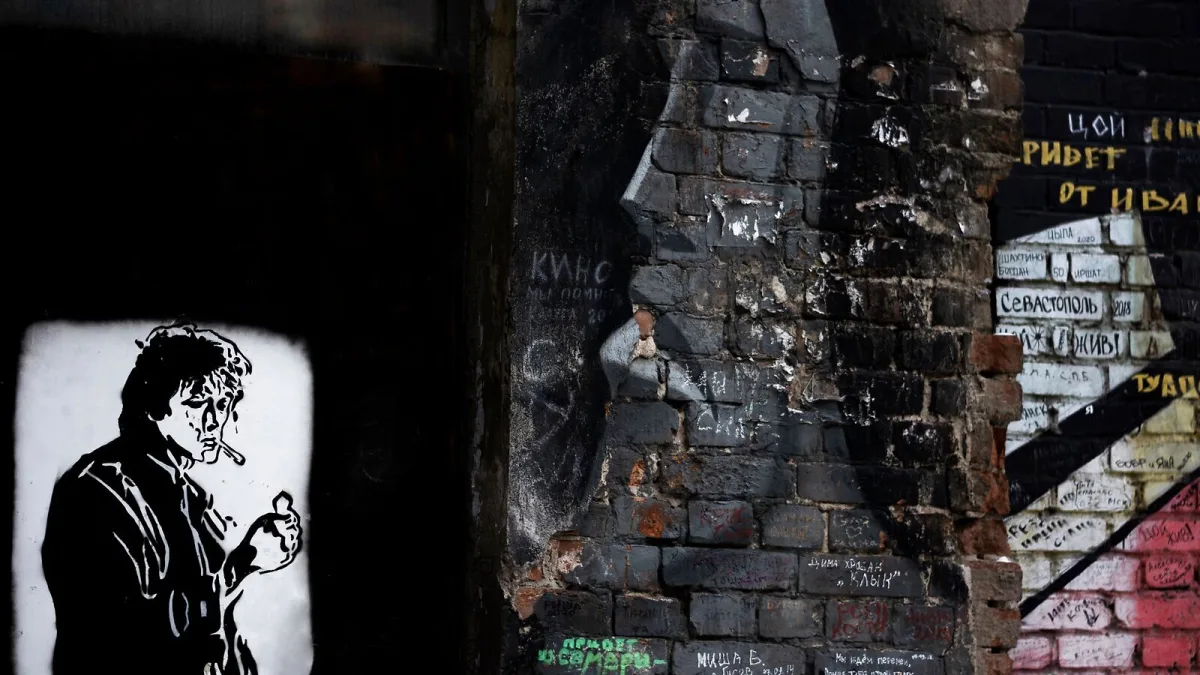
Forget the timeline for a minute. Here's who actually built gangsta rap, name by name, and why each one matters. No filler, no ranking gimmicks — just the artists you genuinely need to know if you want to understand where this sound came from.
Schoolly D
The Philadelphia pioneer whose 1985 track "P.S.K. What Does It Mean?" is treated by most historians as the genre's true starting point. Stark drum machine, zero pretence, straight street narration — before Los Angeles got involved at all, Schoolly D had already laid the blueprint down.
Ice-T
The West Coast's founding figure. Singles like "6 in the Mornin'" and his 1987 album Rhyme Pays built the first-person, reportorial style that would define Los Angeles rap for the rest of the decade. Whether his lyrics were strict autobiography or dramatised persona is genuinely up for debate, and Ice-T himself has never pretended the line was simple.
N.W.A
The group that took the whole sound national. Eazy-E, Dr. Dre, Ice Cube, MC Ren and DJ Yella released Straight Outta Compton in 1988, and it's still the record most people picture when they think of gangsta rap, even though it wasn't first. Individually, each member kept shaping the sound for years afterwards: Dr. Dre through production that would define the next decade, Ice Cube through some of the sharpest, most politically direct writing in the genre, Eazy-E through Ruthless Records and the business side of West Coast rap.
Too $hort
A Bay Area independent from the ground up. Too $hort built an audience through self-released tapes years before major labels came calling, and his steady, unhurried delivery became its own template for West Coast street rap outside the Compton spotlight.
Compton's Most Wanted
Los Angeles group tied closely to the early-1990s West Coast sound, standing alongside N.W.A as proof that Compton's scene ran deeper than one group's success.
Boogie Down Productions
New York's answer, and arguably its equal. Criminal Minded (1987) fused sharp battle-rap technique with crime narrative and sample-heavy production, and it's frequently cited as one of the genre's most important early records — proof this movement had a serious East Coast wing from the very start.
Snoop Doggy Dogg
The voice that made G-funk a household sound. Doggystyle (1993), produced largely by Dr. Dre, took the laid-back flow and character-based storytelling that Snoop had already shown on The Chronic and turned it into one of the best-selling debut albums in the genre's history.
2Pac
By the mid-1990s, 2Pac had turned the genre's ambitions inside out: street identity and vulnerability, political fury and full commercial spectacle, often in the same verse. All Eyez on Me (1996) is the clearest single document of just how far that reach could stretch.
Reading the Persona, Not Just the Name
One thing worth saying plainly: almost every name on this list built a character as much as a career. Persona, dramatisation and lived experience overlap constantly in gangsta rap, and treating every lyric as literal confession misunderstands most of these artists as badly as dismissing them all as pure theatre would. Our beginner's guide goes into that tension properly if you want the fuller picture.
Where to Hear Them Properly
Names on a page only get you so far. Our guide to the essential albums and defining tracks will actually get you listening, and our full history puts every one of these names in proper chronological order if that's what you're after next.
The Bottom Line
These aren't just names attached to old headlines. Each one shaped how gangsta rap sounded, what it was allowed to say, and how far it could travel commercially without losing what made it dangerous in the first place. Start with these artists and the rest of the genre's map makes a lot more sense.




Comments