


Gangsta Rap article
A Beginner's Guide to Gangsta Rap
More than "music about crime": what the genre actually is, how it sounds, and why persona and truth aren't always easy to tell apart.
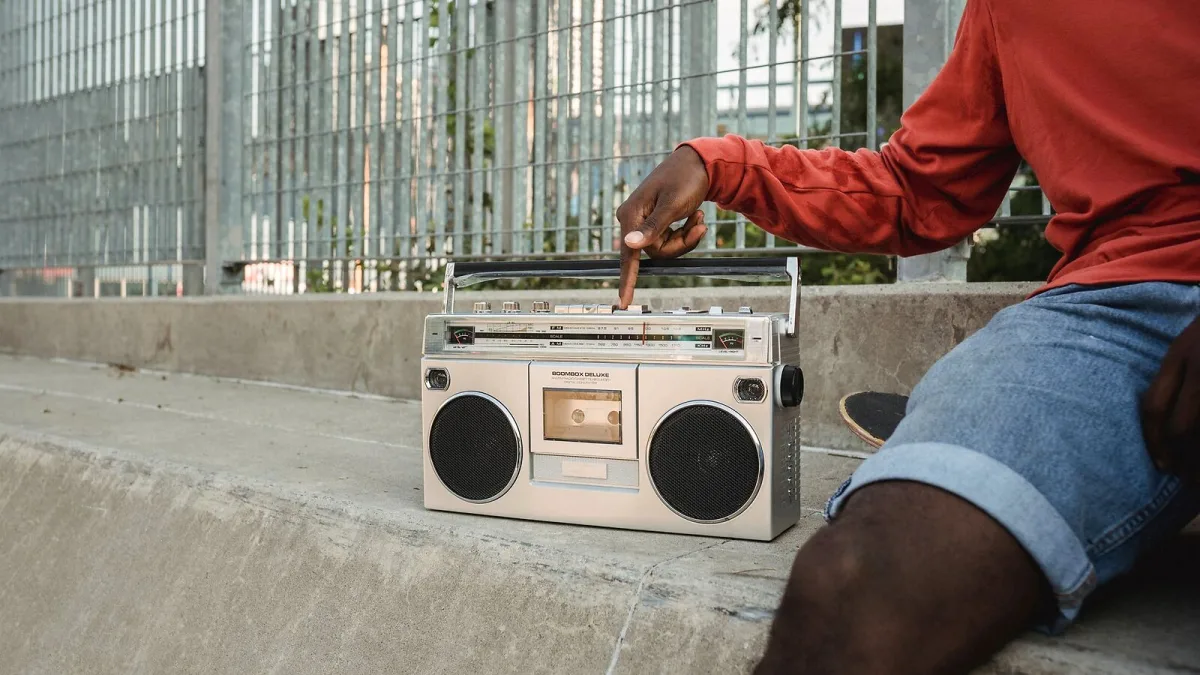
Gangsta rap gets talked about a lot and understood properly rather less often. It's frequently reduced to "music about crime," which misses almost everything interesting about it. This guide sets out what the style actually is, how it works, and why it's stayed so influential and so argued-over for four decades.
What It Actually Is
At its core, gangsta rap is a hip-hop style built around first-person street narratives — crime, poverty, policing, drug economies, violence, survival and status, told from the inside rather than about. It grew out of the wider hip-hop tradition that began in the South Bronx in the 1970s, sharpening that tradition's occasional accounts of hardship into something more sustained, explicit and confrontational.
More Than "Music About Crime"
The honest, harder truth is that a song describing a robbery or a shooting can be doing several different jobs at once: an autobiographical account, a fictional narrative, a warning dressed up as a boast, a straightforward celebration of status, or some mixture of all four. Treating every lyric as either pure confession or straightforward endorsement misses the point. The genre works in persona — an exaggerated or stylised character built for narrative and dramatic effect — every bit as much as it works in lived experience, and the two aren't always easy to tell apart, even for the artists themselves.
What It Sounds Like
| Element | What to listen for |
|---|---|
| Drum machines | Tight, programmed kick and snare patterns, often stark and sparse in early recordings |
| Heavy low end | Bass mixed for physical impact rather than subtlety |
| Funk and soul samples | Bass grooves, drum breaks and vocal fragments lifted from earlier records |
| Synthesizers | Especially prominent in West Coast G-funk, with sustained, melodic leads |
| Vocal delivery | Clipped phrasing, shouted accents, threats, boasts and rapid shifts in intensity |
There's no single mandatory formula here. A stark, sample-heavy 1988 record and a synth-laden 1993 one both sit comfortably under the same label, which tells you something about how broad the style really is.
Where It Came From, Briefly
It's genuinely a myth that this all started in Los Angeles. Philadelphia's Schoolly D, with 1985's "P.S.K. What Does It Mean?", is widely treated as one of the earliest foundational recordings, and New York's Boogie Down Productions weren't far behind. Los Angeles became the genre's commercial and cultural centre a little later, largely through Ice-T's early singles and then N.W.A's breakthrough. Our full history of gangsta rap traces that story properly, decade by decade.
Not the Same as Its Neighbours
- Hardcore rap is the broader family — aggressive delivery and subject matter generally — while this genre is specifically tied to street-life narrative and gangsta identity.
- G-funk is a production style, not a lyrical one, built from slow grooves and synthesizer leads, and it's strongly associated with the West Coast wing of the genre.
- Trap grew out of Southern rap decades later, with rolling hi-hats and modern digital production; it overlaps thematically but isn't the same thing.
- Drill is a later regional style again, first from Chicago, with its own distinct rhythms and lyrical conventions.
Our guide to the subgenres goes much further into how these strands actually differ from each other.
The Controversy, Honestly
Gangsta rap generated sustained, genuine debate almost from the start — over explicit language, misogyny, violence, drug imagery, and where the line sits between depicting something and endorsing it. Some of that debate was in good faith. Some of it was also a moral panic that struggled to separate a young Black art form from the conditions it was actually describing. Both things can be true at once, and a decent understanding of the genre holds space for that tension rather than resolving it too neatly.
Where to Go From Here
If you want the names that matter most, our guide to the essential artists is the next stop, and our rundown of essential albums and defining tracks will get you actually listening rather than just reading about it. If you'd rather have a proper starting sequence than a list to pick from at random, our newcomer's guide sets one out step by step.
The Bottom Line
Gangsta rap is street reportage, character performance, social testimony and commercial entertainment all at once, and it rarely sits still long enough to be just one of those things. Understanding it properly means listening for the persona as closely as the politics, and for the craft as closely as the controversy.




Comments