


Gangsta Rap article
Essential Gangsta Rap Albums Explained
Six albums. Skip the greatest-hits playlists. Start here, in order, and the whole genre clicks into place.
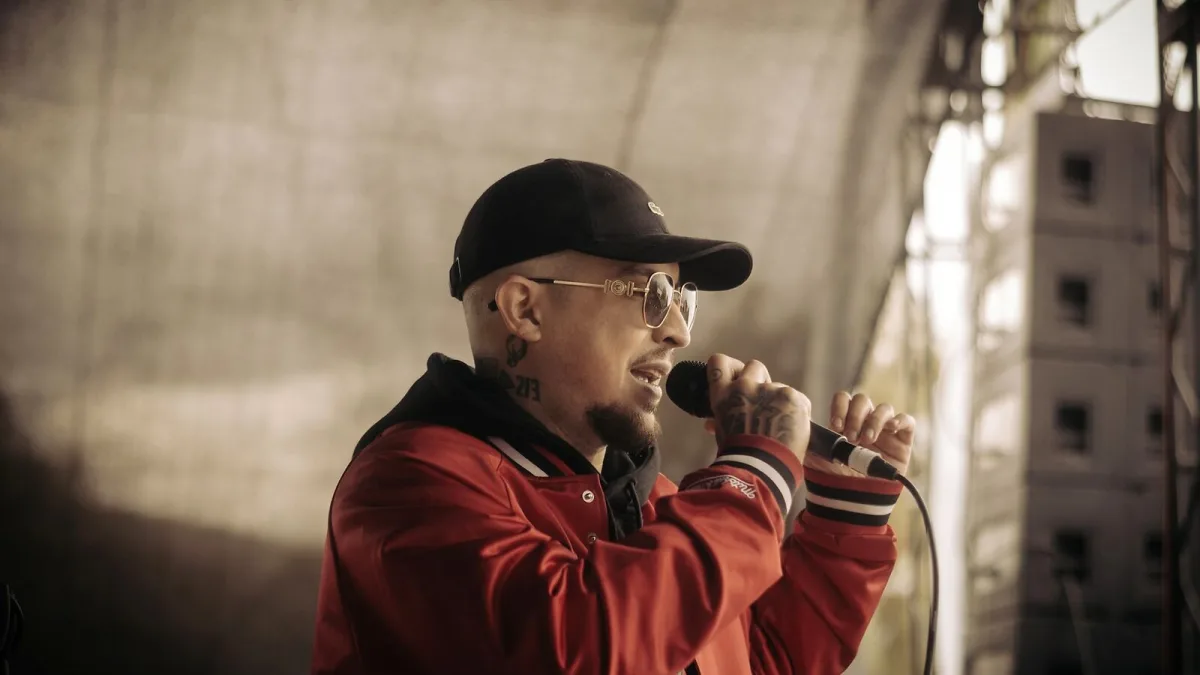
Six albums. That's genuinely the shortlist if you want to understand gangsta rap through its records rather than its reputation. Skip the greatest-hits playlists. Start here, in order, and the whole genre clicks into place.
Boogie Down Productions – Criminal Minded (1987)
New York's opening statement. KRS-One's battle-rap sharpness meets crime narrative and sample-heavy production, and the result is frequently cited as one of the genre's most important early records. Play this one first. It proves the movement wasn't a West Coast invention, whatever the shorthand version of history suggests.
Ice-T – Power (1988)
Ice-T had already built his reputation on singles like "6 in the Mornin'," but this album is where his controlled, narrative delivery really settled into shape. Crime, danger, survival, told with a reporter's eye rather than pure bravado. Compare it directly against N.W.A below and the difference in tone is obvious immediately.
N.W.A – Straight Outta Compton (1988)
The one everyone's heard of, for good reason. Eazy-E, Dr. Dre, Ice Cube, MC Ren and DJ Yella turned Compton's street life into a national conversation, and the album's furious condemnation of police brutality drew attention from the FBI itself. The Library of Congress calls it the genre's standard-bearer. Not first, but unmistakably the record that made the rest of the country listen.
Dr. Dre – The Chronic (1992)
Everything shifts here. Slower grooves, deep bass, melodic synthesizer leads — G-funk arrives fully formed, and gangsta rap gets a total studio-polish upgrade. This is the pivot point between the stark 1980s records above and the smoother, more commercial 1990s sound below. You can hear the whole decade change direction on this one album.
Snoop Doggy Dogg – Doggystyle (1993)
Dr. Dre again on production, but Snoop's laid-back flow and character-based storytelling make this a genuinely different record from The Chronic, not just a sequel to it. One of the best-selling debut albums the genre has ever produced, and it's easy to hear why on first listen.
2Pac – All Eyez on Me (1996)
A double album, and it needs the space. Street identity, vulnerability, political fury and full commercial spectacle, sometimes inside the same verse. Many treat this as the moment the genre's 1990s commercial ambitions hit their absolute ceiling. Listen to it against Criminal Minded from nine years earlier and the distance the genre travelled becomes obvious.
How to Actually Listen to These as a Set
- Play them in release order, not popularity order. The production shift from 1987 to 1996 is the whole story.
- Notice what stays constant: first-person narration, street-level detail, a persona built for effect as much as confession.
- Notice what changes: sparse drum machines give way to synthesizer-led G-funk, and regional identity becomes commercial spectacle.
- Don't skip the earlier, rougher-sounding records. They're the reason the later, more polished ones landed at all.
Want More Context First?
If you want the people behind these six records properly introduced, our guide to the essential artists covers that ground, and our full history puts every one of these albums into its proper chronological context. For individual standout tracks rather than whole records, our list of defining songs is the natural companion piece to this one.
The Bottom Line
These six albums aren't a definitive gangsta rap top list; they're a genuinely representative spine. Listen to them in order and you'll understand more about gangsta rap in a few hours than most explainer articles, this one included, can tell you in words alone.





Comments