


Lo Fi Music roundup
The Best Lo Fi Music Artists to Know
Behind every study stream sits a much longer chain of actual musicians. Here's a working map of the lo-fi artists who actually shaped the sound.
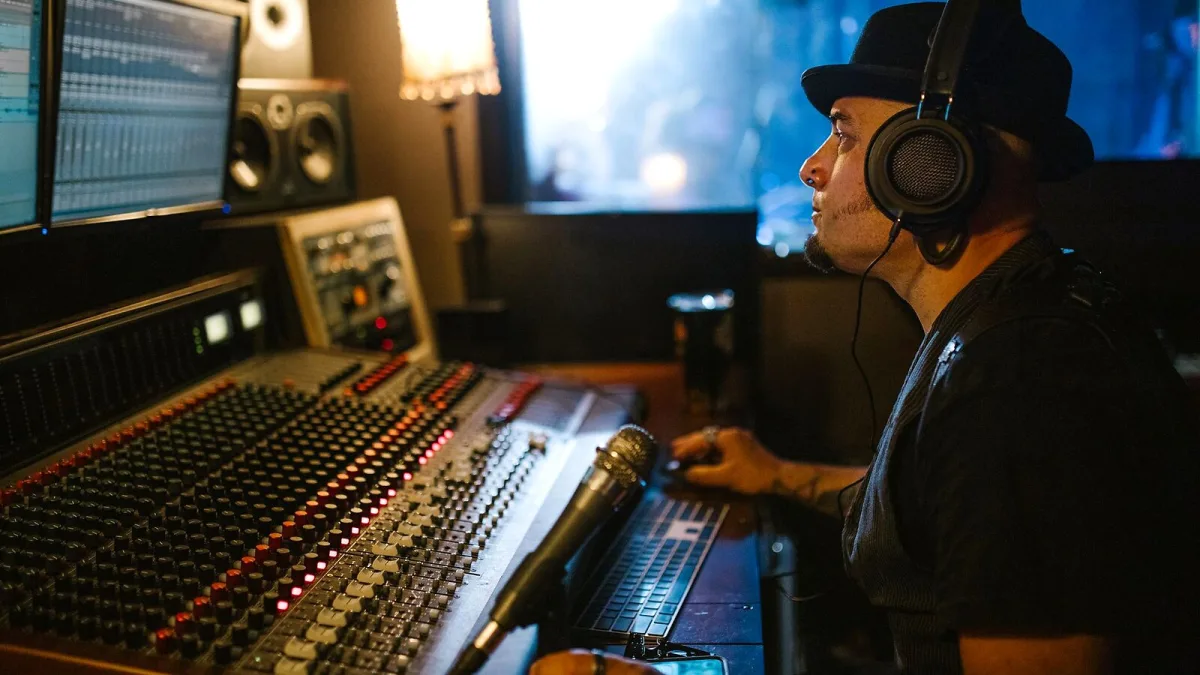
Behind every hour-long study stream sits a much longer chain of actual musicians and producers, most of whom never intended to soundtrack anyone's homework. Here is a working map of the lo-fi artists who actually shaped the sound, grouped by what they contributed rather than ranked against each other.
None of these names are interchangeable, and that is rather the point. "Lo-fi artists" covers cassette-recording singer-songwriters and sample-based hip-hop producers alike, which is exactly why the genre resists a single tidy family tree.
The DIY Forebears
These artists weren't making "lo-fi" as a genre — they were making rough, honest recordings because that was what home equipment allowed, and treating the imperfection as part of the message.
- Daniel Johnston — built an intensely personal body of work on cassette, letting tape hiss and wobble sit right alongside the songwriting rather than trying to hide it.
- Guided by Voices — turned compact, four-track-recorded rock songs into a genuine aesthetic statement, releasing prolifically outside major-label conventions.
The Hip-Hop Architects
A separate, equally important lineage runs through sample-based hip-hop production.
- J Dilla — reshaped how producers think about rhythm through chopped samples and deliberately loose, off-grid timing, most famously on Donuts (2006).
- Nujabes — connected jazz-inflected instrumental hip-hop to a much wider audience via Metaphorical Music (2003) and Modal Soul (2005); often called the "godfather" of lo-fi hip-hop in fan and media shorthand, though that is an informal title rather than an official one.
- Madlib — brought dusty, collage-like sample textures to instrumental hip-hop, expanding the same vocabulary from another angle entirely.
The Modern Beat Scene
The generation making lo-fi music today grew up online, inside beat-making communities and livestream culture rather than in a physical scene.
- Tomppabeats — representative of the later online lo-fi beat scene, with 2015's Harbor frequently cited as an introductory reference point for the sound most listeners now associate with the genre.
Thousands of largely anonymous producers now upload directly to streaming platforms and round-the-clock livestreams, often without the name recognition of the artists above. That shift, from named albums to an endless, semi-anonymous stream, is itself one of the biggest changes in how this music actually gets made and heard.
It also changes how you actually find new lo-fi artists worth following. A single algorithmically curated playlist can put you next to a producer with millions of monthly listeners and one with a few hundred, credited identically, with no chart position or press cycle to tell them apart. Checking who actually produced a track you like, rather than just the playlist it appeared on, is often the only way to build a real sense of who is doing interesting work right now.
How to Actually Use This List
Do not try to rank these lo-fi artists against each other; the comparison rarely makes sense across such different traditions. Instead, pick one name from each group above, listen properly rather than as background noise, and notice which approach to imperfection actually appeals to you — the raw, cassette-hiss honesty of the DIY forebears, or the warm, sample-based control of the hip-hop architects. That preference will tell you far more about where to explore next than any ranked list could.
Why These Names Matter Together
None of the artists above set out to build a single genre. What connects a cassette-recording singer-songwriter to a jazz-sampling hip-hop producer is an attitude towards imperfection — treating a technical limitation, or a deliberately introduced one, as a genuine creative choice rather than something to correct. Our history of lo-fi music traces exactly how these separate threads ended up sharing one word, and our essential albums guide gives you specific records to actually put on.
If some of these names are new to you, that is entirely normal — most people find this music through a stream long before they learn who is actually behind it. Our newcomer's guide is a gentler way into the same territory.




Comments